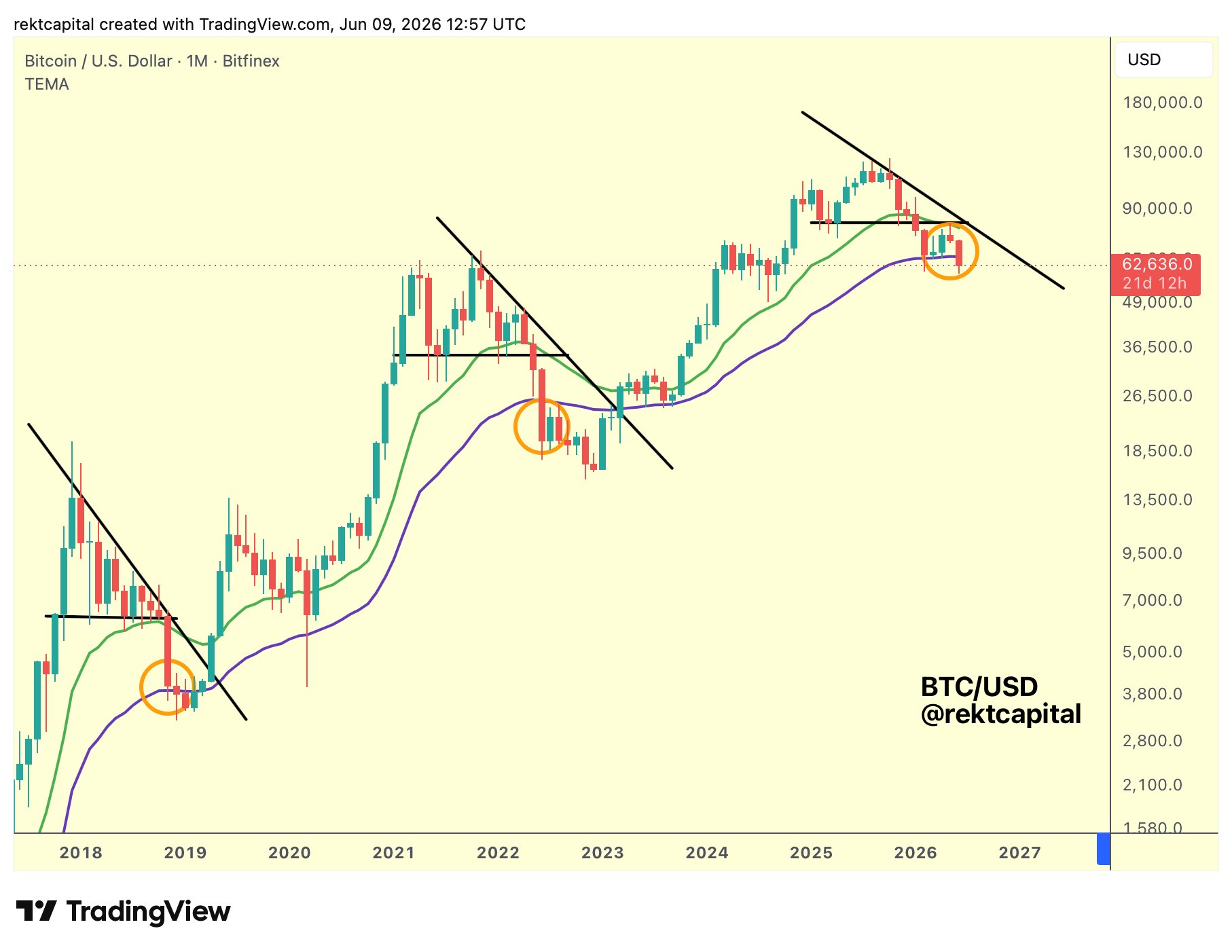
The host of a crypto-focused investing channel is pushing back on the recent wave of headlines claiming Michael Saylor “finally sold” his Bitcoin, arguing the story was framed to trigger panic rather than to inform.
In a recent video analysis, Kamilah Stevenson, who discloses she holds Bitcoin but prefers other digital assets, dissects a regulatory filing from MicroStrategy, the largest corporate holder of Bitcoin.
Sponsored
The company sold 32 BTC — a move she says has been blown far out of proportion.
The Sale That Spooked The Market
According to the filing discussed in the video, MicroStrategy sold 32 Bitcoin while holding “hundreds of thousands” of BTC overall. Dr. Kamilah Stevenson compares it to having $100,000 in the bank and spending about $10 — “a rounding error” that doesn’t register against the total position.
She notes that, based on the filing, the sale was “purely operational” intended to help fund dividend payments to shareholders — standard corporate housekeeping for a dividend-paying company, not a signal of lost conviction. Industry analysts, she says, have largely called the move “financially immaterial” and insignificant for overall Bitcoin supply.
Still, the story that “the king is selling” ricocheted through social feeds and financial media. Many smaller investors, Kamilah argues, saw the word “selling” next to Saylor’s name and dumped their own coins — often at a loss — without reading past the headline.
Fear Mongering & The Long Game
The analyst extends the lesson beyond Bitcoin to other digital assets such as XRP, XLM, HBAR, and XDC, which she highlights as her own core holdings. When Bitcoin drops, correlated altcoins typically fall as well, creating a feedback loop of fear-driven selling.
She suspects there may have been some “coordinated activity” among large players selling at roughly the same time, though she stresses she does not know their motives.
Chart signals she’s watching suggest more selling pressure and possibly lower levels ahead — with some market voices even calling for Bitcoin near $40,000. She’s clear she isn’t a chart expert and treats such calls cautiously.
For her, deeper market pullbacks are “sale days,” not reasons to capitulate. She argues wealth is “built in the buy… in the fear… in the selloff,” and says she has limit orders waiting for further drawdowns in assets she believes in.
Why This Matters For Investors
The core message is less about Saylor and more about how financial media and social platforms monetize anxiety. “Your panic is their business model,” she says, urging viewers to always ask: “What actually happened here, and does it change anything?”
Most of the current volatility, in her view, stems from fund rebalancing, leveraged positions being flushed, and a broader risk-off tone that has also hit equities — not from any fundamental break in crypto infrastructure. She warns that a “real crisis” will eventually come, and those already shaken by minor events risk being forced out at the worst possible time.
She also flags a practical detail many panic sellers overlook: realizing gains in a taxable account can hand a chunk straight to the IRS, making fear “cost you twice.”
That’s one reason she holds some crypto in a Roth IRA structure, which she sees as better aligned with long-term investing and less emotional decision-making.
For crypto investors, the takeaway is blunt: understand why you hold what you hold, build a clear plan and identity as an investor, and treat alarming headlines — especially about tiny, operational moves by major players — as noise until proven otherwise.
Dig into DailyCoin’s popular crypto scoops today:
Zcash Falls 40% After AI-Assisted Audit Uncovers Long-Standing Bug
Will Crypto Challenge Stock Markets? Binance’s On-Chain Equity Layer
People Also Ask:
He did not. Based on the filing described in the video, MicroStrategy sold only 32 BTC out of a massive treasury position, framed as an operational move to fund dividends.
Dr. Kamilah Stevenson argues it does not. The amount is negligible relative to supply and does not reflect any structural change in Bitcoin’s network or adoption.
The market specialist says headlines tied Saylor’s name to “selling” which many investors read as a loss of conviction. That emotional reaction led to panic selling without examining the underlying numbers.
Pause, read beyond the headline, quantify the actual move, and ask whether it truly changes the fundamentals or your long-term thesis before reacting.