
Flare CEO urges XRP community to focus on utility beyond Ripple as price falls 50%

Flare CEO Hugo Philion has voiced his dissatisfaction with the growing sense of fear, uncertainty, and doubt (FUD) surrounding XRP, emphasizing that the cryptocurrency’s potential should not be measured solely by Ripple‘s activities.
Philion calls for independent XRP development
In a recent X post, Philion commented on the tendency of XRP holders to judge the future of the asset purely through Ripple’s initiatives. He stressed the importance of shifting this perspective, arguing that XRP’s narrative and value should not hinge on the actions of a single company, no matter how influential.
The value and narrative of XRP should never have been viewed as being dependent on the actions of a single actor.
Philion encouraged the XRP community to direct their efforts towards practical improvements and increased usability for the token. He highlighted three key questions for XRP holders to consider: how they personally use their XRP, how they can effectively communicate the asset’s value to potential investors, and what steps can convert XRP from a mostly speculative instrument into genuine usable capital.
Advancing XRP utility through Flare
Philion stated that expanding XRP’s utility was a central reason behind the creation of Flare, a blockchain that aims to provide smart contract functionality and cross-chain interoperability for digital assets. He invited XRP holders to participate in Flare, characterizing it as an opportunity to reduce XRP’s dependence on Ripple and to unlock broader functionality.
He explained that while FXRP—a tokenized representation of XRP on the Flare network—enables new uses, it involves more than simply avoiding a reliance on FLR, Flare’s native token. Philion responded to claims from some users suggesting that FLR is unnecessary for using FXRP, clarifying that FLR is still required to pay transaction fees and is essential for network operations.
It’s incorrect btw that you can use FXRP without needing FLR. Flare Smart Accounts simply abstract away the need to manage FLR, but it is still used to pay transaction fees on the underlying networks.
He also mentioned his vision for future use cases for FLR, indicating that its role should expand beyond just serving as a fee token to drive more meaningful adoption within the Flare ecosystem.
Mini dictionary: Flare is a layer-1 blockchain platform focused on enabling interoperability between different blockchains. It allows digital assets such as XRP to be used with smart contracts and decentralized applications, aiming to broaden utility and decentralized finance capabilities for traditionally non-smart contract tokens.
Community criticism and price performance
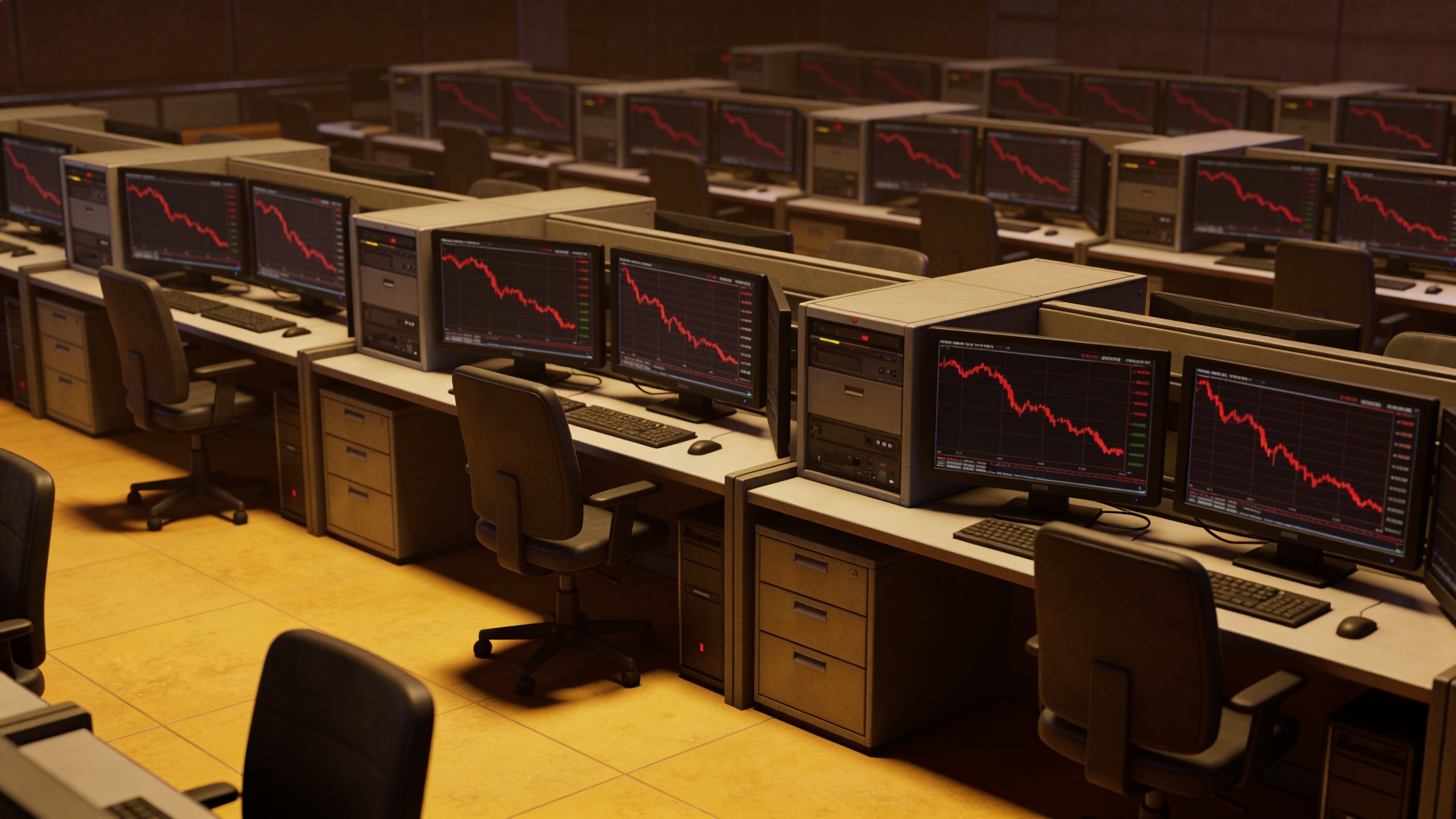
The debate over XRP’s future and its ties to Ripple comes amid mounting frustration within the community, as the token’s price has dropped roughly 50% over the past year to $1.16. Ripple, based in San Francisco, is a technology company known for its payment solutions and development of the XRP Ledger.
| XRP Price | $1.16 | Approximately $2.32 | -50% |
Some community members have recently directed criticism towards Ripple’s former chief technology officer David Schwartz concerning the asset’s underwhelming performance. Schwartz responded by noting that his personal influence on the price action is limited.
Questions have also been raised about whether FLR holders are doing enough to showcase its value, given that XRP holders can access Flare’s decentralized finance ecosystem without purchasing FLR directly. Philion countered these suggestions, reiterating that the infrastructure requires FLR for operational purposes, even if the process is simplified for users.
Philion concluded by highlighting the need for broader adoption and fee generation within the ecosystem, emphasizing that increased transactional activity is vital for both XRP and FLR to realize their full potential.
Disclaimer: The content of this article solely reflects the author's opinion and does not represent the platform in any capacity. This article is not intended to serve as a reference for making investment decisions.
You may also like
US Treasury "Liquidity Drain" Starts Again: Treasury Department Aggressively Issues Short-term Debt—Can Fragile AI Trading Withstand the Storm?
As artificial intelligence (AI) trading faces significant challenges, another liquidity “drain” triggered by U.S. Treasury issuance appears poised to impact the entire U.S. stock market.

Goldman Sachs: The U.S. stock market will have a "final surge" in 2027, but what follows may resemble the period just before the 2000 bubble burst
Goldman Sachs warns that the three core variables driving the strong performance of U.S. stocks over the past four years—earnings growth, capital flows, and the AI narrative—have all deteriorated at the margin. It is expected that the S&P 500 will complete its last round of gains, after which, in 2027, it will face the largest net equity supply shock since the bursting of the internet bubble in 2000.
Nvidia (NVDA.US) stock plunges in after-hours trading amid Jensen Huang’s personal scandal and internal investigation
Due to personal scandals involving CEO Jensen Huang and the company's initiation of an independent investigation, Nvidia's stock price plummeted by over 4% during after-hours trading on November 8.

Tech stocks experience their worst week since the pandemic; Morgan Stanley: AI trading hits the "wall" moment in the marathon.
After more than two years of a strong bull run, the market once believed that the AI narrative was already more than halfway completed and victory was within reach. However, last week’s crash suggests that the real test may have only just begun.
Crypto prices
More


