
Bitcoin Miners Hold Onto Reserves Despite Falling Revenue

- Bitcoin Miners' Revenue Drops to $34 Million
- BTC outflows to exchanges fall to 4.000 units
- Miners accumulate more Bitcoin despite low profitability
Even with declining profitability, Bitcoin miners continue to avoid selling their assets. According to recent data from CryptoQuant, daily revenues for miners fell to $34 million on June 22, the lowest level since April of this year. This decline is linked to lower transaction fees and low network activity, which has fallen to levels not seen in over twelve months.
Bitcoin Miners See Lowest Daily Revenue in Over a Year https://t.co/oFMpnNfQve # Bitcoin #cryptonews
— Coindoo.com (@coindoo) June 26, 2025
With most investors treating Bitcoin as a store of value, circulation on the network has been significantly reduced. As a result, the reduced number of transactions directly impacts the earnings of miners, who rely on fees and block rewards to generate revenue.
Still, miners are showing resilience and choosing to hold on to their BTC. Daily Bitcoin transfers from miner wallets to exchanges have fallen dramatically — from 23.000 BTC in February to just 4.000 BTC on June 26. This retention also extends to older miners from the so-called “Satoshi era,” who sold just 150 BTC in 2025, compared to the 10.000 BTC sold in 2024.
According to CryptoQuant, this resistance to selling is due to still-sustainable operating margins. Data from the NUPL (Net Unrealized Profit and Loss) metric indicates that these operators maintain a positive margin of 48%, which reduces the pressure for immediate liquidity.
Additionally, there has been a noticeable increase in miners’ Bitcoin holdings. Wallets holding between 100 and 1.000 BTC have increased their balances from 61.000 BTC at the end of March to 65.000 BTC as of June 26 — the highest since November 2024. This signals continued confidence, even in the face of declining profitability.
The strategic behavior of miners, combined with low sales activity, can influence the circulating supply of BTC in the short term, serving as relevant data for investors attentive to the movement of whales and the health of the network.
Disclaimer: The content of this article solely reflects the author's opinion and does not represent the platform in any capacity. This article is not intended to serve as a reference for making investment decisions.
You may also like
Five charts to help you understand: Where does the market go after each policy storm?
After this regulatory crackdown, is it a harbinger of an impending downturn, or the beginning of a new cycle where all negative news has been fully priced in? Let’s examine the trajectory after the storm through five key policy milestones.

Mars Morning News | The crypto market rebounds across the board, Bitcoin rises above $94,500; The "CLARITY Act" draft is expected to be released this week
The crypto market has fully rebounded, with bitcoin surpassing $94,500 and US crypto-related stocks rising across the board. The US Congress is advancing the CLARITY Act to regulate cryptocurrencies. The SEC chairman stated that many ICOs are not securities transactions. Whales are holding a large number of profitable ETH long positions. Summary generated by Mars AI. The accuracy and completeness of the content generated by the Mars AI model is still being iteratively updated.

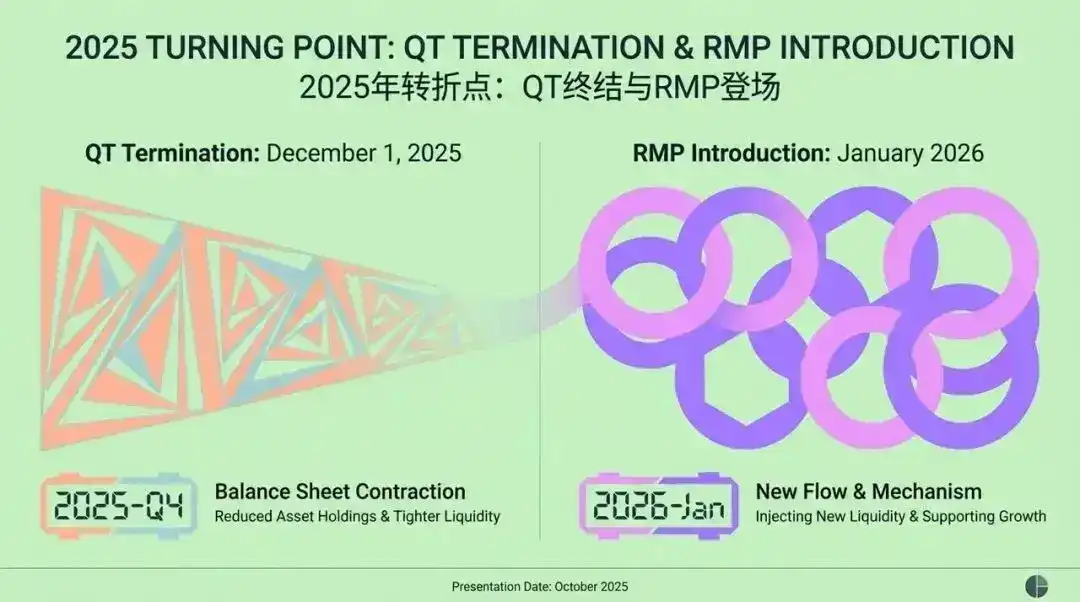
Federal Reserve’s Major Shift: From QT to RMP, How Will the Market Transform by 2026?
The article discusses the background, mechanism, and impact on financial markets of the Federal Reserve's introduction of the Reserve Management Purchases (RMP) strategy after ending Quantitative Tightening (QT) in 2025. RMP is regarded as a technical operation aimed at maintaining liquidity in the financial system, but the market interprets it as a covert easing policy. The article analyzes RMP's potential effects on risk assets, the regulatory framework, and fiscal policy, and provides strategic recommendations for institutional investors. Summary generated by Mars AI This summary was generated by the Mars AI model, and the accuracy and completeness of its content are still in the process of iterative improvement.
Rate Hike in Japan: Will Bitcoin Resist Better Than Expected?

Trending news
MoreCrypto prices
More





