
Fed Faces Tough Path on Rate Cuts, Stablecoins Not a Banking Threat— Jamie Dimon

Contents
Toggle- Quick Breakdown
- Fed cuts uncertain amid stubborn inflation
- Crypto markets eye policy moves
- Dimon downplays stablecoin risks
Quick Breakdown
- Jamie Dimon warns persistent inflation could stall Fed’s plans for more rate cuts.
- Markets expect two more cuts in 2025 despite inflation sitting above target.
- Dimon dismisses stablecoins as a systemic threat but says banks should monitor the sector.
JPMorgan Chase CEO Jamie Dimon says persistent inflation could stall U.S. rate cuts, while dismissing stablecoins as a major risk to banks.
Fed cuts uncertain amid stubborn inflation
JPMorgan Chase chief executive Jamie Dimon has warned that the U.S. Federal Reserve will find it difficult to push ahead with interest rate cuts if inflation remains elevated.
“Inflation seems a little bit stuck at 3%. I can even make the case for it rising instead of falling,”
Dimon told CNBC-TV18 on Monday. He noted that while he expects “decent growth,” future cuts should come from economic strength rather than a recession-driven slowdown.
His remarks dampened market optimism, with traders having priced in up to five rate cuts over the next 12 months.
Crypto markets eye policy moves
Lower interest rates typically drive capital into risk assets like Bitcoin, which jumped above $117,500 last week after the Fed announced its first rate cut of 2025 — a 25 basis point reduction.
According to CME FedWatch data, investors expect another two cuts this year, one in October and one in December, though Fed projections remain widely split. U.S. inflation climbed 0.4% in August, with the annual rate hitting 2.9% — still above the central bank’s 2% target.
Dimon downplays stablecoin risks
Dimon also commented on the growing debate around stablecoins, which became subject to new congressional regulations in July. While acknowledging that the sector needs oversight, he said he is “not particularly worried” about their threat to banking stability.
“There will always be people who prefer dollars through a stablecoin, especially outside the U.S.,”
he noted, adding that JPMorgan is already engaged in exploring the technology. He also hinted at the possibility of banks forming a consortium to launch their own token.
Banking groups, however, continue to push for tighter rules, warning that interest-bearing stablecoins could undermine traditional deposits and destabilize the system.
Disclaimer: The content of this article solely reflects the author's opinion and does not represent the platform in any capacity. This article is not intended to serve as a reference for making investment decisions.
You may also like
A decade-long tug-of-war ends: "Crypto Market Structure Bill" sprints to the Senate
At the Blockchain Association Policy Summit, U.S. Senators Gillibrand and Lummis stated that the "Crypto Market Structure Bill" is expected to have its draft released by the end of this week, with revisions and hearings scheduled for next week. The bill aims to establish clear boundaries for digital assets by adopting a classification-based regulatory framework, clearly distinguishing between digital commodities and digital securities, and providing a pathway for exemptions for mature blockchains to ensure that regulation does not stifle technological progress. The bill also requires digital commodity trading platforms to register with the CFTC and establishes a joint advisory committee to prevent regulatory gaps or overlapping oversight. Summary generated by Mars AI. The accuracy and completeness of this summary, generated by the Mars AI model, is still being iteratively updated.
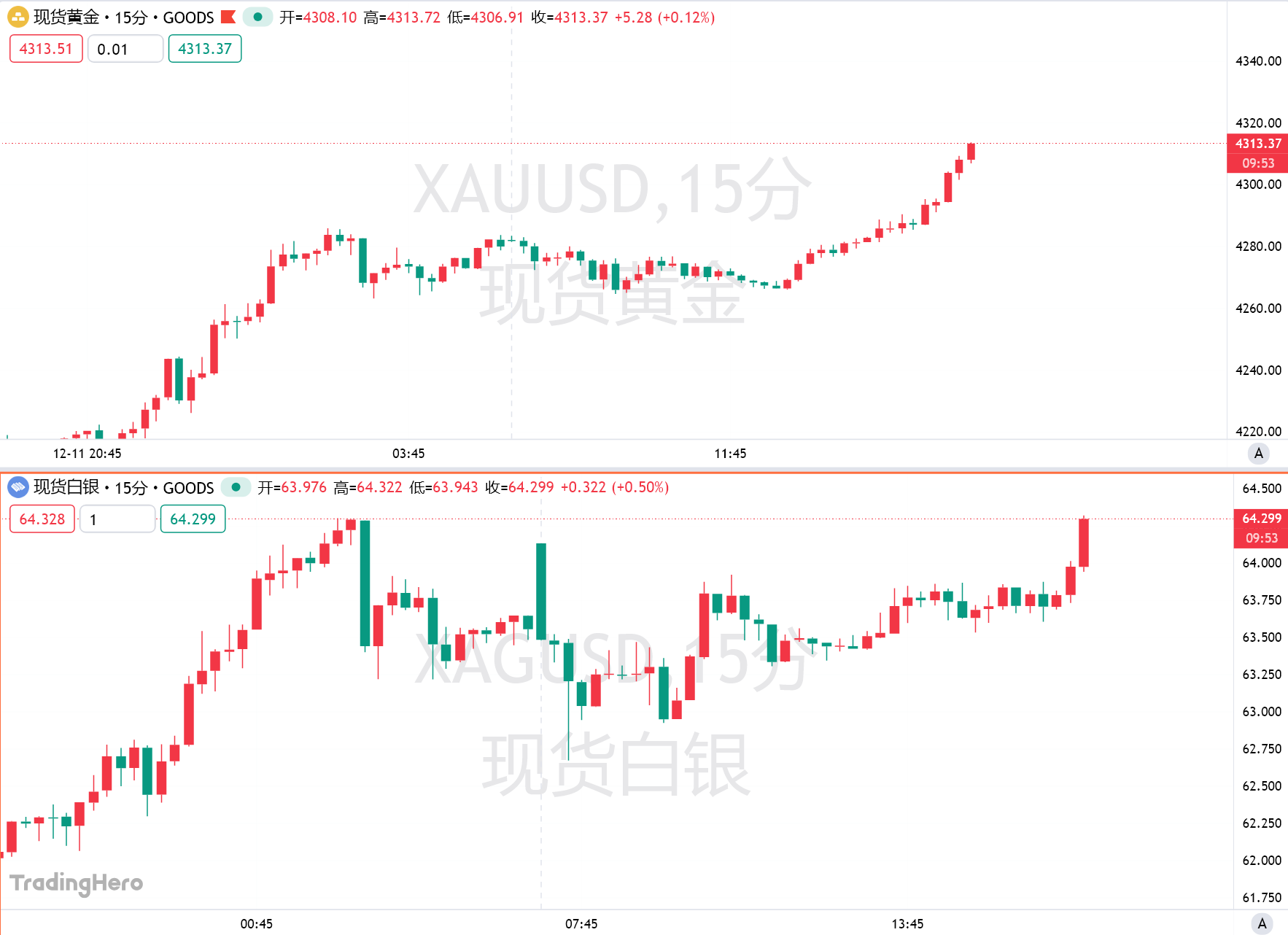
Gold surpasses the $4,310 mark—Is the "bull frenzy" returning?
Boosted by expectations of further easing from the Federal Reserve, gold has risen for four consecutive days. Technical indicators show strong bullish signals, but there remains one more hurdle before reaching a new all-time high.
Trend Research: Why Are We Still Bullish on ETH?
Against the backdrop of relatively accommodative expectations in both China and the US, which suppress asset downside volatility, and with extreme fear and capital sentiment not yet fully recovered, ETH remains in a favorable "buy zone."

Trending news
MoreCrypto prices
More





