
Grayscale opens ETF staking, ushering in the era of staking for US spot crypto ETFs

With the implementation of universal standards, all crypto spot ETFs listed based on this mechanism will introduce staking functionality simultaneously in the future.
With the implementation of universal standards, all spot crypto ETFs listed under this mechanism will simultaneously introduce staking functionality in the future.
Written by: SoSo Value
SoSoValue analysts stated that on October 6, asset management company Grayscale announced the introduction of staking mechanisms for its Ethereum Trust ETF (ETHE), Ethereum Mini Trust ETF (ETH), and the Solana Trust (GSOL), which is currently transitioning to an ETF. These products have become the first spot crypto ETFs in the United States to support staking functionality.
This move is attributed to the recent introduction of Generic Listing Standards by the U.S. Securities and Exchange Commission (SEC). According to the new regulations, spot crypto ETFs that meet the standards no longer need to obtain separate SEC approval and can carry out staking operations with only shareholder authorization. Meanwhile, on the SEC’s official website, the previous policy proposal seeking public comment on staking was withdrawn on September 26.
Grayscale disclosed a differentiated yield distribution model in its announcement:
- Ethereum Trust ETF (ETHE): Issuer, custodian, and staking service provider collectively receive 23% of staking rewards, while investors receive 77%;
- Ethereum Mini Trust ETF (ETH): The share for issuer, custodian, and staking service provider drops to 6%, allowing investors to receive 94% of the rewards.
This institutional breakthrough is favorable for Ethereum. The addition of staking functionality will make ETF returns more closely aligned with the yields from directly holding and staking tokens, which is expected to significantly boost institutional allocation willingness. At the same time, it is anticipated that other ETF issuers will quickly follow suit, triggering a price war among ETF issuers over staking yields, which will further benefit ETF investors.
Meanwhile, Solana is also expected to benefit. As the next asset likely to introduce staking functionality at the initial stage of issuance, the attractiveness of the Solana ETF may be significantly enhanced.
The industry generally believes that with the implementation of universal standards, all spot crypto ETFs listed under this mechanism will simultaneously introduce staking functionality in the future. This development not only expands the product forms and functional boundaries of crypto ETFs, but is also seen as an important step for crypto assets to accelerate their entry into mainstream capital markets.
Disclaimer: The content of this article solely reflects the author's opinion and does not represent the platform in any capacity. This article is not intended to serve as a reference for making investment decisions.
You may also like
ECB shifts stance! Will interest rate hikes resume in 2026?
In the debate over "further tightening" versus "maintaining the status quo," divisions within the European Central Bank are becoming increasingly public. Investors have largely ruled out the possibility of the ECB cutting interest rates in 2026.
On the eve of Do Kwon's trial, $1.8 billion is being wagered on his sentence
Dead fundamentals, vibrant speculation.

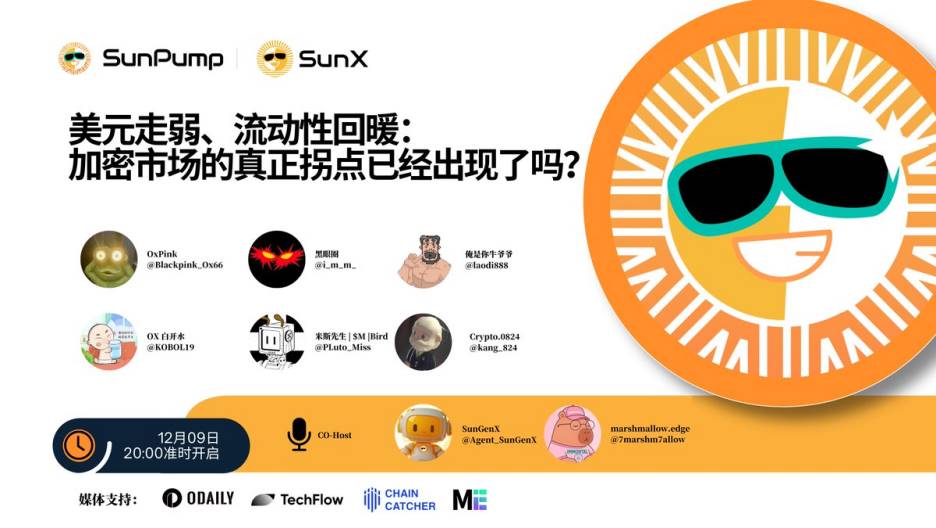
Space Review|When the US Dollar Weakens and Liquidity Recovers: Cryptocurrency Market Trend Analysis and TRON Ecosystem Strategy
This article reviews the identification of macro turning points and the capital rotation patterns in the crypto market, and delves into specific allocation strategies and practical approaches for the TRON ecosystem during market cycles.
30-Year Wall Street Veteran: Lessons from Horse Racing, Poker, and Investment Legends That Inspired My Bitcoin Insights
What I focus on is not the price of bitcoin itself, but rather the position allocation of the group of people I am most familiar with—those who possess significant wealth, are well-educated, and have successfully achieved compounding returns on capital over decades.
Trending news
MoreCrypto prices
More





