
Liquidia Shares Fall 10.5%: Unpacking the Reasons for the Steep Decline

LQDA Faces Steep Decline Amid Technical Pressure
Key Points
- LQDA dropped sharply to $29.20, marking a 10.5% fall from its intraday peak of $33.97.
- Trading volume soared to 2.75 million shares, representing 3.9% of the float.
- Technical indicators highlight weakness: RSI at 17.51 signals oversold conditions, and MACD at -1.29 confirms negative momentum.
- Sector peers such as JNJ (-0.55%) saw only minor declines.
Technical Breakdown Drives Liquidia Lower
Liquidia’s shares have tumbled to a new 52-week low of $29.20, with no positive news to offset the negative technical setup. The stock’s rapid decline was fueled by significant volatility and a decisive break below key support levels, leaving investors searching for explanations. While the pharmaceutical sector shows mixed signals and leveraged ETFs like PILL have gained 1.8%, Liquidia’s move raises concerns about short-term positioning and risk management.
Bearish Momentum Intensifies
The 10.5% drop in LQDA is primarily the result of technical selling rather than any fresh news. The stock opened at $33.87, gapped lower, and failed to reclaim its 200-day moving average at $25.74. A bearish candlestick pattern, including a bearish engulfing candle, points to capitulation. With the RSI at 17.51 and a negative MACD histogram (-1.196), technicals confirm the oversold state. The price is hovering near the lower Bollinger Band ($31.12), signaling exhaustion. The absence of buyers at crucial levels has intensified the selloff.
Pharmaceutical Sector Remains Mixed
The broader pharmaceutical sector is showing divergent trends. Johnson & Johnson slipped 0.55% even as the S&P 500 advanced by 1.2%. Leveraged ETFs such as PILL (+1.8%) and XPH (+0.5%) displayed some resilience, but Liquidia’s sharp drop underscores the sector’s volatility. While JNJ’s weakness reflects broader market shifts, Liquidia’s decline is more closely tied to technical factors than to sector-wide trends.
Bearish Strategies: ETFs and Put Options to Consider
- PJP ($109.87, +0.31%) and XPH ($58.32, +0.50%) show some sector strength.
- PILL ($13.32, +1.83%) offers triple leverage for aggressive short-term trades.
- Key technical levels: 200-day MA at $25.74, RSI at 17.51 (oversold), MACD at -1.29 (bearish), lower Bollinger Band at $31.12.
Liquidia’s technical outlook suggests the downtrend could persist. Support at $31.12 (Bollinger Band) and $25.74 (200-day MA) are crucial. The 30-day RSI at 17.51 hints at a possible rebound, but with bearish momentum indicators like MACD and a negative histogram, further declines are likely. Leveraged ETFs such as PILL may offer amplified returns for those betting on continued weakness.
Top Put Options for Bearish Traders
-
LQDA20260306P28.5 (Put, $28.5 strike, expires Mar 6):
- Implied Volatility: 21.06% (moderate)
- Leverage: 6148% (very high)
- Delta: -0.132 (moderate sensitivity)
- Theta: -0.0016 (minimal time decay)
- Gamma: 0.0317 (high sensitivity)
- Turnover: 217
- Best suited for a 5% downside move to $28.54; payoff at strike equals projected price ($0.00).
-
LQDA20260306P29.5 (Put, $29.5 strike, expires Mar 6):
- Implied Volatility: 181.84% (extreme)
- Leverage: 10.25% (moderate)
- Delta: -0.386 (aggressive sensitivity)
- Theta: -0.1169 (significant time decay)
- Gamma: 0.0413 (high sensitivity)
- Turnover: 300
- High gamma and moderate delta make it suitable for a 5% downside; payoff is $0.96 (strike above projected price).
Suggested Moves: Traders with a bearish outlook may consider the LQDA20260306P29.5 put if the stock falls below $29.20. For broader sector exposure, PILL provides leveraged access to pharmaceutical trends.
Historical Performance After Major Drops
Reviewing past performance, LQDA has historically shown positive returns following an 11% single-day drop. Backtesting reveals a 3-day win rate of 52.44%, a 10-day win rate of 57.72%, and a 30-day win rate of 60.98%. The highest return during the test period was 17.24%, achieved on day 59.
Critical Levels to Watch: $25.74 and Sector Rotation
Unless Liquidia rebounds above $31.12 (lower Bollinger Band) or $25.74 (200-day moving average), the decline is likely to continue. Oversold technicals and negative momentum indicators point to further downside risk. Investors should closely monitor the 200-day MA as a key support and keep an eye on sector rotation, especially through PILL. With JNJ underperforming, sector-wide risks persist. Actionable idea: Short-term bears may target LQDA20260306P29.5 if the stock breaks below $29.20, while ETFs like PILL offer leveraged exposure to sector moves.
Disclaimer: The content of this article solely reflects the author's opinion and does not represent the platform in any capacity. This article is not intended to serve as a reference for making investment decisions.
You may also like
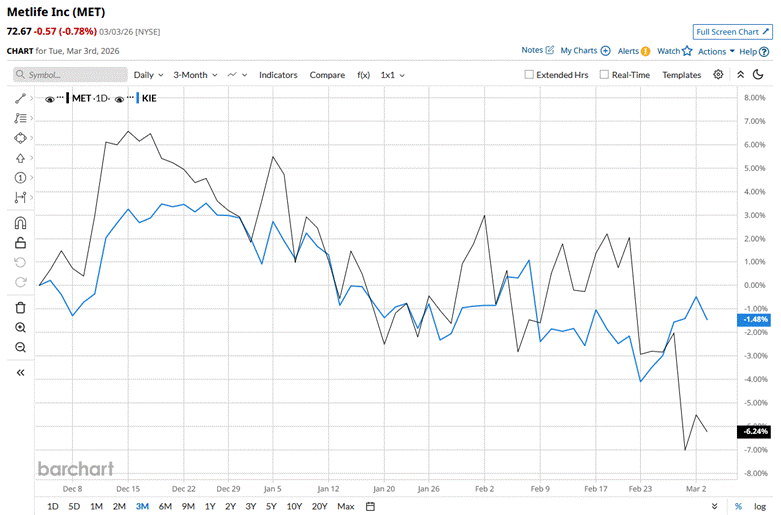
How does MetLife's stock performance stack up against other insurance companies?
Why Peter Thiel’s Founders Fund walked away from an Ether treasury bet

Rising energy prices from the Iran war could help Russia pay for fighting in Ukraine
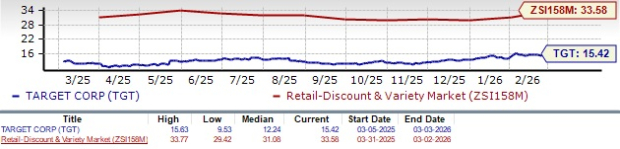
Target shares climb 7% following announcement of ambitious long-term growth plan
Trending news
MoreCrypto prices
More





