
Dollar Strengthens as Rising Oil Prices Dampen Expectations for Fed Rate Reductions

Dollar Surges Amid Oil Price Spike and Geopolitical Tensions
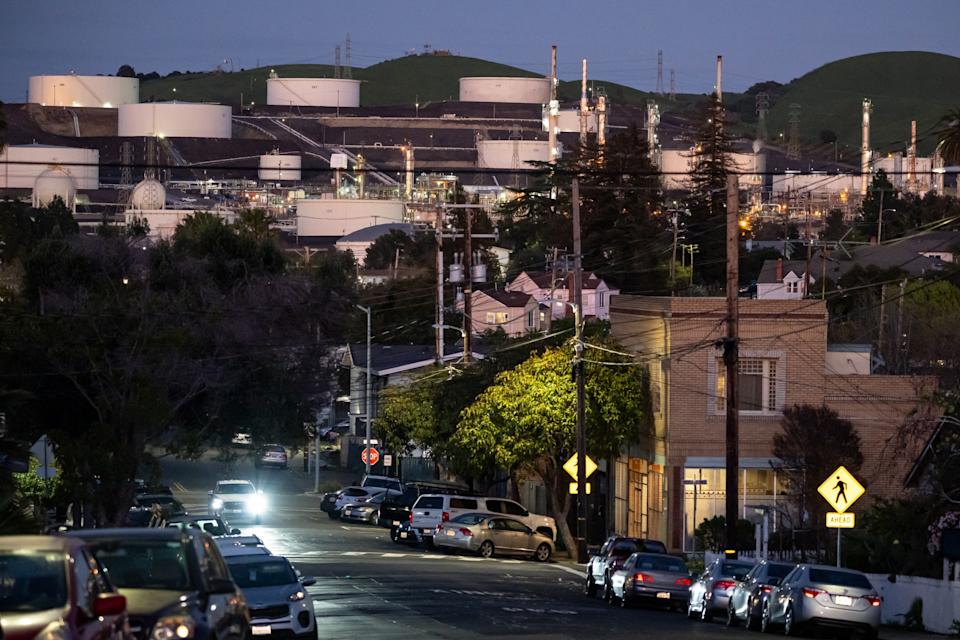
Photo by David Paul Morris/Bloomberg
The US dollar climbed against all major currencies after a sharp increase in oil prices led investors to reconsider the likelihood of Federal Reserve rate cuts this year.
Following military actions by the US and Israel targeting Iran over the weekend, Bloomberg’s dollar index jumped up to 0.8%, reaching its highest point since early February. The near shutdown of the vital Strait of Hormuz pushed oil prices to their largest gain in four years, prompting swap traders to lower their expectations for Fed rate cuts to 56 basis points for the year, down from 60 basis points at the end of last week.
Top Stories from Bloomberg
Gareth Berry, a strategist at Macquarie Group in Singapore, noted, “The market is beginning to anticipate that the Fed may be less likely to reduce rates if elevated oil prices persist and drive up US inflation. This is boosting the dollar’s value, alongside a risk-off mood, and is also causing some selling of US Treasuries.”
The dollar’s rebound continues a trend seen in recent weeks, reversing losses from January when it hit its lowest since 2022. The rally has been supported by increased risk aversion, falling global equities, and a surge in demand for gold as a safe haven.
Strategist Insights
According to Bloomberg strategists, “With risk aversion dominating the markets, most cyclical currencies are expected to decline against the dollar, which benefits from both its safe-haven status and its position as a net energy exporter. The dollar’s sensitivity to energy prices is only slightly positive, as oil typically rises alongside stronger global growth—the middle of the so-called ‘dollar smile.’”
— Skylar Montgomery Koning, macro strategist.
US President Donald Trump announced that airstrikes against Iran will persist until objectives are met, urging Iranian leaders to surrender. Meanwhile, Iran’s national security chief stated that the country will not enter negotiations with the US.
Options Market Trends
Analysis of the options market indicates that the dollar’s movement is driven more by oil prices than traditional safe-haven demand. Traders are betting the dollar will gain most against currencies of oil-importing countries like the euro and pound, while currencies from oil-exporting nations such as Canada and Norway have seen minimal impact.
The British pound dropped as much as 1.3% to $1.3314, its lowest level this year, and the euro fell nearly 1%. In contrast, the Canadian dollar and Norway’s krone experienced only slight declines.
Energy Costs Drive Currency Divergence
Unlike typical safe-haven rallies, where the dollar strengthens broadly, the current divergence among currencies highlights energy prices as the main factor. This trend is also evident in the bond market, which slipped on Monday.
The ongoing crisis with Iran may be reestablishing the traditional link between the dollar and oil, given the US’s role as a net energy exporter. On Monday, the correlation between the two turned positive for the first time in three months.
Jordan Rochester, head of fixed income, currencies, and commodities strategy for EMEA at Mizuho, commented, “The early stages of the Ukraine crisis playbook will be revisited for FX and rates. If oil remains at these levels or rises further, it will trigger a terms-of-trade shock, reviving old USD correlations after a year of inactivity.”
— With contributions from Alice Atkins.
Most Read from Bloomberg Businessweek
© 2026 Bloomberg L.P.
Disclaimer: The content of this article solely reflects the author's opinion and does not represent the platform in any capacity. This article is not intended to serve as a reference for making investment decisions.
You may also like
Rocket Lab Gains 2.71 on 1.32B Volume 91st as Neutron Delay Overshadows Hypersonic Success
Marvell Shares Dip 1.02% as $1.23 Billion Volume Ranks 98th in Trading Activity
Trending news
MoreCrypto prices
More





