
Iran Tensions: Strategic Moves in Energy and Defense Equities

Market Turbulence Triggered by Middle East Escalation
A significant intensification of conflict in the Middle East has sent shockwaves through global financial markets, sparking heightened volatility. This scenario presents a classic opportunity for tactical investors: major news has led to temporary market distortions that can be strategically leveraged.
At the market open, investors reacted with a swift move away from risk, as evidenced by a sharp drop in the Nasdaq’s pre-market futures. However, by midday, the index had rebounded and moved into positive territory, reflecting a reassessment of the situation’s economic impact. This sequence—initial fear followed by recovery—demonstrates the market’s ongoing effort to measure the true significance of the unfolding events. The surge in volatility underscores the potential for short-term trading opportunities.
Sector Winners and Losers: Energy and Defense Surge
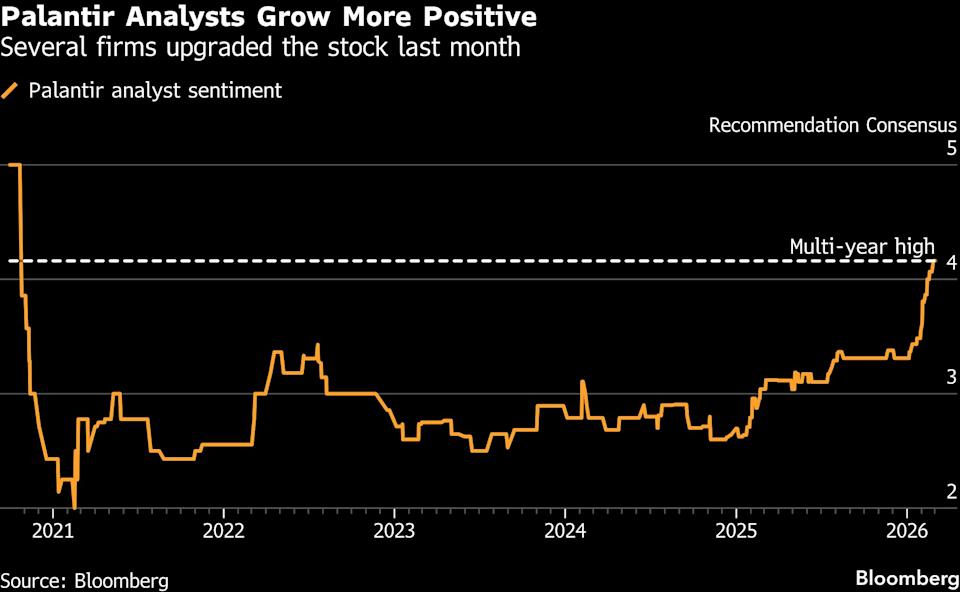
Pre-market activity highlights where investors are focusing. Energy shares soared alongside rising oil prices. Occidental Petroleum (OXY) climbed 3.8% to $56.87, while Exxon Mobil (XOM) jumped 6.7% to $159.21. These moves reflect not just a reaction to current price spikes but also a wager on ongoing supply disruptions, especially with the Strait of Hormuz—a vital oil transit route—at risk. Defense and AI-related companies are also attracting capital, with Palantir gaining $6.10 to reach $143.30, as investors anticipate increased demand for intelligence and military technology.
On the flip side, traditional utilities are under pressure. The AES Corporation (AES) dropped 2.8% to $14.46 before the market opened, illustrating a shift of funds away from sectors vulnerable to economic downturns or geopolitical instability and toward those expected to benefit from the crisis.
In summary, the current environment has created a clear tactical landscape: energy and defense stocks are being driven higher by expectations of increased oil prices and defense spending, while other sectors are being sold. The market’s rebound from its initial decline suggests a lack of outright panic, but ongoing volatility and sector rotation present opportunities for nimble investors to capitalize on prevailing trends.
Oil and LNG Supply Disruption: The Core of the Trade
The heart of the energy rally lies in real-world supply disruptions. The conflict has forced tankers to avoid the Strait of Hormuz, which handles approximately 13 million barrels of oil daily. Even if the strait remains open, this rerouting introduces genuine supply risks, which the market is now pricing in.
Oil prices have surged in response. Brent crude reached around $78 per barrel, up 7.2%, while WTI surpassed $72 per barrel, marking its highest point since the previous June. This is not a minor fluctuation but a significant adjustment to the risk premium, compounded by an already tight seasonal market.
OPEC+ has responded with a modest production increase of 206,000 barrels per day for April, a move widely regarded as insufficient to counteract the potential supply shortfall. Even with this boost, the group cannot quickly compensate for any major disruption at the Strait of Hormuz. Analysts warn that a prolonged closure could push oil prices well above $100 per barrel.
The natural gas market faces similar pressures. While details are less explicit, disruptions in oil transport and broader energy market instability are likely to impact LNG flows as well. If the Strait is closed, both oil and LNG shipments would be affected, potentially driving up prices for both commodities. The result is a physical bottleneck, a financial risk premium, and a supply response that falls short—setting the stage for continued strength in energy equities.
LNG Trade and Cheniere Energy: A Strategic Play
Cheniere Energy stands out as a prime beneficiary of the shifting LNG landscape. Its shares have advanced 5.78% to $233.43, nearing a 52-week high of $246.42. This rally reflects expectations that the conflict will accelerate Europe’s move away from Russian gas—a trend Cheniere is well-positioned to support.
The company’s Sabine Pass and Corpus Christi terminals are strategically located to supply European buyers seeking alternatives. The CEO recently highlighted the importance of exporting to Europe, emphasizing the company’s fit within the new energy supply chain. The conflict is not creating new demand but is making the transition away from Russian gas more urgent and financially attractive.
Despite the rally, Cheniere’s stock is not a high-volatility play. With a dividend yield of 0.95% and a beta of 0.26, it offers a relatively stable investment. This suggests that the market is reassessing Cheniere’s long-term value in a changing geopolitical environment, rather than simply chasing short-term momentum. For tactical investors, this is an opportunity to benefit from a structural shift in demand rather than a fleeting surge.
Key Catalysts and Risks: Duration and Containment
The success of these trades depends on how long the conflict persists. The market’s initial optimism is based on the assumption of a brief, contained disruption. However, if the situation drags on, what began as a tactical opportunity could evolve into a prolonged period of volatility.
Attention is focused on the timeline. President Trump has suggested that U.S. objectives could be achieved in “four weeks or less”, but the conflict is already spilling beyond Iran. Iranian missile strikes have hit several Arab countries, including the UAE and Qatar, and Hezbollah has launched attacks for the first time in over a year. This escalation raises the risk of a broader regional war, which could completely block the Strait of Hormuz and send oil prices soaring.
The threat of further escalation is now very real, with evidence of Hezbollah’s involvement and attacks on U.S. interests in the Gulf. Should this pattern persist, the Strait of Hormuz could become a direct target. As one analyst put it, “This could be three times as severe as the oil embargo and Iranian revolution of the 1970s.” The current pricing of Brent at $78 assumes the conflict remains limited; a full closure would upend that expectation.
- Oil prices: Sustained levels above $80 per barrel would indicate the market is bracing for a longer disruption.
- LNG terminal operations: Any official shutdown of export terminals, such as those operated by Cheniere, would signal a severe escalation and a systemic shock to the LNG trade.
Ultimately, the trade is a race against time. If the conflict is resolved quickly and remains contained, the current strategy should pay off. If it spreads, the risks multiply. While the market is currently betting on a short-lived crisis, recent developments suggest a wider escalation is possible. The opportunity remains, but the situation is evolving rapidly.
Disclaimer: The content of this article solely reflects the author's opinion and does not represent the platform in any capacity. This article is not intended to serve as a reference for making investment decisions.
You may also like
Daily Mirror-owner faces largest loss in ten years as Google traffic declines

Target’s newly appointed CEO reveals his strategy for revitalizing the company

Palantir Returns to Wall Street’s Recommended Stocks Following a 38% Drop
Options Income Daily: MU, SOFI, CRWV and More

Trending news
MoreCrypto prices
More





