
JPMorgan's 0.91% increase places it 21st in $

Market Overview
On March 3, 2026, JPMorgan Chase (JPM) advanced by 0.91%, outpacing the broader market. The company recorded a trading volume of $3.02 billion, placing it 21st among the most actively traded stocks for the day. This uptick was fueled by increased investor focus on regulatory shifts in the stablecoin industry, following remarks from JPMorgan CEO Jamie Dimon. The notable price and volume movement signals the market’s anticipation of new legislative and compliance standards for digital assets.
Main Influences
Jamie Dimon’s call for tighter oversight of stablecoin providers played a central role in JPMorgan’s recent performance. In various public statements, Dimon advocated that stablecoin platforms offering interest-like returns should be held to the same capital, liquidity, and anti-money laundering (AML) standards as traditional banks. He argued that these platforms function as “parallel banking systems” and should comply with FDIC insurance, transparency requirements, and community lending obligations. This perspective reflects growing industry concerns that unregulated stablecoin yields could draw deposits away from conventional banks, especially smaller community institutions, potentially destabilizing the financial sector.
The conversation around stablecoin regulation intensified as policymakers considered the proposed Clarity Act, which aims to define the regulatory treatment of stablecoin rewards and address ongoing tensions between banks and crypto companies. While the GENIUS Act, passed in 2025, bans direct interest payments on stablecoins, it allows third-party platforms to offer rewards based on transaction activity. According to JPMorgan analysts, the passage of a market structure bill in mid-2026 could accelerate institutional adoption of stablecoins, though the final outcome remains uncertain amid ongoing disputes between crypto firms and banks over regulatory jurisdiction.
Dimon also pointed to the dangers of unregulated stablecoin operations, referencing Financial Action Task Force (FATF) reports that link stablecoins to significant illicit activity, including fraud and sanctions evasion. FATF has recommended stronger AML controls, such as the ability to freeze wallets, to address these risks. JPMorgan’s push for bank-level regulation is part of a wider industry effort to prevent regulatory loopholes that could give crypto companies an unfair edge by operating under lighter compliance requirements. The bank’s position underscores its commitment to financial security, even as it explores blockchain technology through its own deposit token and real-time payment solutions.
These developments highlight the high stakes for both traditional banks and digital asset firms. Banks warn that yield-generating stablecoins could undermine financial stability by drawing away deposits and disrupting fair competition. On the other hand, crypto companies argue that rewards tied to user activity—such as incentives for making transactions or providing liquidity—pose limited risks and should be allowed. The outcome of this debate will shape the future regulatory landscape for stablecoins, potentially leading to higher compliance costs for issuers or increased money laundering risks if oversight is insufficient. JPMorgan’s approach, which favors transaction-based rewards but opposes interest-like returns, positions the firm as a key voice in the ongoing regulatory conversation.
As legislative discussions progress, the fate of the Clarity Act and related initiatives will likely impact JPMorgan’s market performance. A regulatory approach that brings stablecoin oversight in line with banking standards could strengthen investor trust in the resilience of the financial system. Conversely, ongoing uncertainty or inadequate risk management could weigh on market sentiment. JPMorgan’s active participation in these policy debates demonstrates its commitment to shaping a regulatory framework that supports both innovation and stability, aligning with the interests of its institutional clients and its long-term growth strategy.
Disclaimer: The content of this article solely reflects the author's opinion and does not represent the platform in any capacity. This article is not intended to serve as a reference for making investment decisions.
You may also like
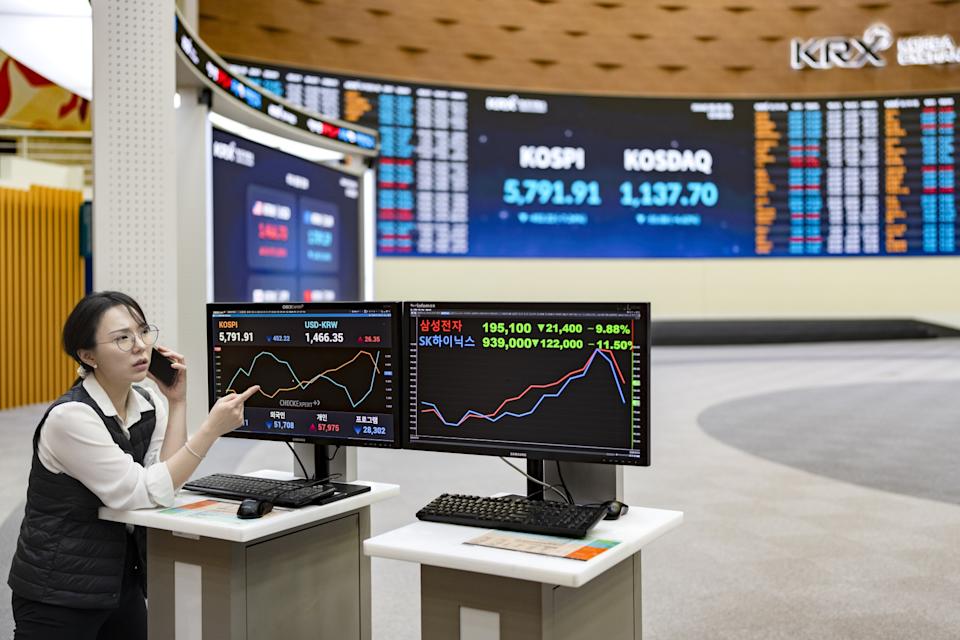
Panic Grips Korean Stock Market in Largest Single-Day Plunge Ever Recorded
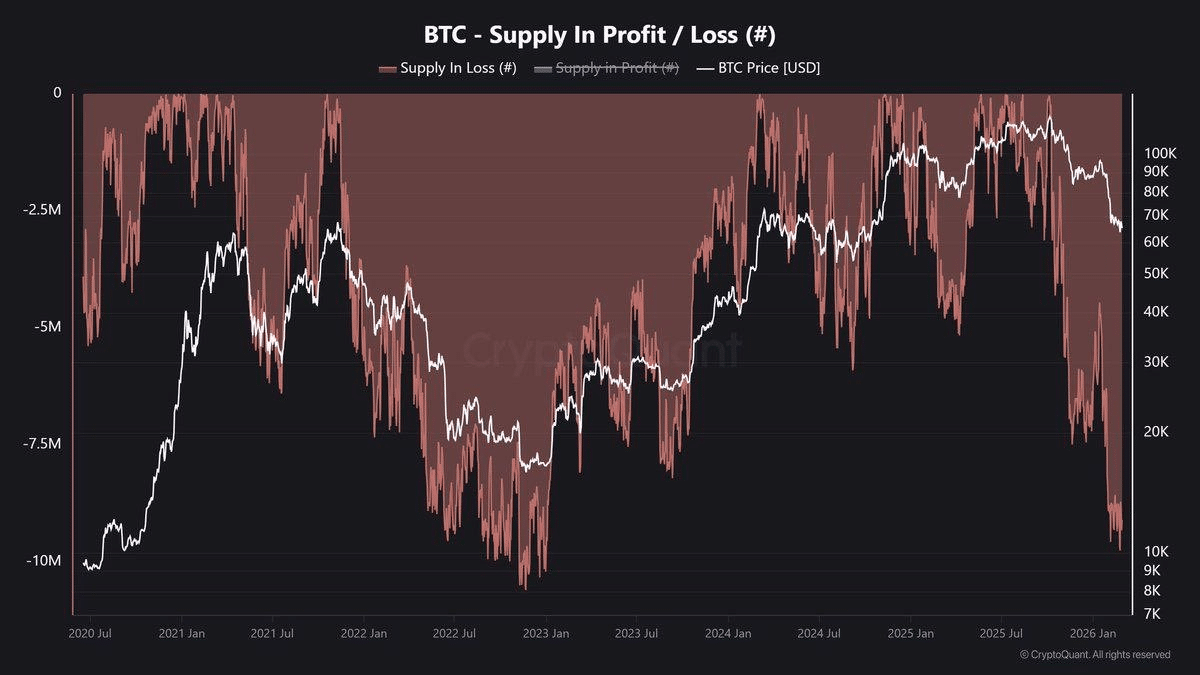
Bitcoin absorbs U.S. government transfer and Middle East FUD – Details
JPY: Risk-off support and policy uncertainty – MUFG
Wall Street analysts caution against relying on Trump to stabilize markets shaken by the Iran conflict
Trending news
MoreCrypto prices
More





