
U.S. Farmers Face Uncertainty as Fertilizer Supply Issues Drive Up Expenses and Threaten Crop Output

Fertilizer Crisis: The Strait of Hormuz Disruption
At the heart of the current fertilizer crisis lies a critical geographic bottleneck. The ongoing conflict has essentially shut down the Strait of Hormuz, a narrow waterway that is essential for international trade. Approximately one-third of the world's fertilizer shipments pass through this channel, making it a significant point of vulnerability. Since the outbreak of hostilities late last month, commercial shipping has been largely suspended, causing immediate and substantial disruption.
This blockade has led to a dramatic spike in prices. U.S. urea import costs have soared by 30% within a single week.
The timing of this disruption is especially problematic. It coincides with the spring planting season in the Northern Hemisphere, a crucial period when farmers apply fertilizers to maximize crop yields for the year. Any delay in delivering nutrients to the soil can have lasting consequences.
American farmers are now under intense strain. The U.S. is reportedly facing a 25% shortfall in fertilizer supplies compared to typical levels for this season. Rising costs and limited availability threaten to erode farm profits. If the shortage persists, growers may have to cut back on fertilizer use, which could directly reduce harvests for major crops. The chain reaction is clear: limited fertilizer supply leads to higher costs, which may force lower usage, resulting in reduced yields and ultimately higher food prices. This crisis strikes at the very core of the agricultural sector.
U.S. Strategy: Sourcing Alternatives and Policy Adjustments
To counteract the fertilizer shortage, the U.S. government is pursuing a dual approach: expanding supply sources and leveraging policy changes. White House economic adviser Kevin Hassett described this as an "insurance policy against disruption" for American farmers, with Venezuela and Morocco identified as key partners.
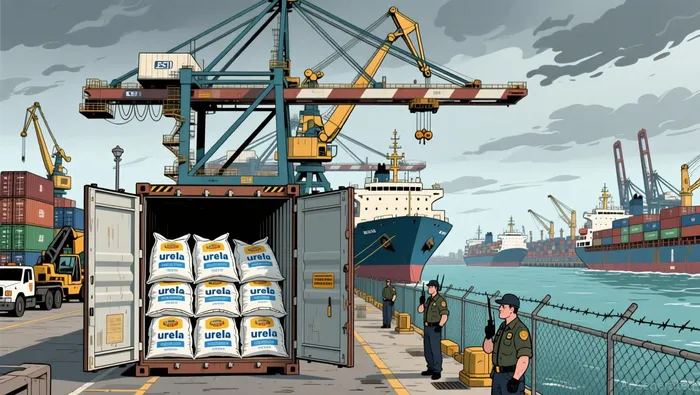
Regulatory changes are central to this plan, aiming to boost production and exports from these alternative suppliers. The Treasury Department has recently issued waivers that relax restrictions on U.S. companies buying petrochemical products from Venezuela, including fertilizer and its ingredients. Officials say these measures "expand permitted investment and activities in Venezuela's energy industry," with the goal of increasing fertilizer shipments to the U.S. Agriculture Secretary Brooke Rollins has described this as a step to "strengthen the supply of this vital agricultural input."
Simultaneously, efforts are underway to make Morocco a more accessible supplier. However, a significant obstacle remains: in 2020, the Commerce Department imposed countervailing duties on Moroccan phosphate fertilizers after complaints from major U.S. producers. This trade barrier complicates diversification efforts. To address it, leading agricultural groups are urging domestic fertilizer companies to withdraw their support for these tariffs, arguing that removing them would immediately lower costs for farmers.
Ultimately, the administration is navigating a complex landscape—seeking to increase imports from Venezuela by easing investment rules and to unlock Moroccan supplies by advocating for the removal of tariffs. The effectiveness of these measures depends on how quickly Venezuela can ramp up production and whether there is enough political momentum to resolve the trade dispute with Morocco. This is a classic example of using supply-side solutions to address a demand-driven crisis, testing the limits of policy intervention.
Financial Strain and Market Repercussions
The supply shock is now translating into real financial challenges for American farmers. The most immediate sign is a sustained increase in prices for key nitrogen fertilizers. In early March, retail urea averaged $625 per ton, up 5% from the previous month. Anhydrous ammonia prices have risen even more sharply, averaging $895 per ton—a 15% increase compared to last year. All eight major fertilizers are now more expensive than they were a year ago, with urea and anhydrous ammonia up by 14% and 19%, respectively.
This surge in costs comes at a critical time, just as farmers are making decisions about spring planting and fertilizer application. With the U.S. still about 25% below normal fertilizer supply levels, the financial pressure is mounting. Farmers are not only paying more per ton for essential nutrients, but may also be forced to use less due to scarcity, which could jeopardize future harvests.
These challenges have prompted calls for government support. The American Farm Bureau Federation is actively engaging with the White House and USDA to explore ways to ease the burden, including the possibility of additional financial assistance. The sharp rise in fertilizer prices has become a direct threat to farm profitability and, by extension, the stability of the entire food supply chain. What began as a supply issue has now become a significant financial concern for the agricultural industry.
Key Developments and Ongoing Risks
The resolution of this crisis depends on several critical factors and ongoing risks. First, the volume and timing of new fertilizer imports from Venezuela and Morocco will be crucial. While the Treasury Department's waivers make it easier for U.S. companies to buy from Venezuela, there is no guarantee of how much product will actually arrive. The administration aims to provide an "insurance policy against disruption", but the effectiveness of this strategy depends on Venezuela's ability to increase production and manage logistics. Similarly, removing tariffs on Moroccan phosphate is a policy step, but not an immediate solution. The real test is whether these new sources can deliver enough supply in time to alleviate the spring shortage.
Second, any diplomatic breakthrough in the Iran conflict or a U.N.-negotiated agreement to reopen the Strait of Hormuz could quickly resolve the crisis. European Union foreign policy chief Kaja Kallas has suggested a U.N.-brokered deal similar to the one that allowed grain exports from Ukraine during wartime, which could enable safe passage for fertilizers and energy. Progress on this front would immediately ease supply constraints and likely cause prices to fall sharply.
The main risk is that the shortage continues into the planting season. With the U.S. already about 25% short on fertilizer supplies and the window for nitrogen application closing, the likelihood of further price increases remains high. If the deficit persists, farmers may have to ration fertilizer, prioritizing certain fields over others. This would hit smaller farms hardest, potentially leading to uneven yields and accelerating consolidation in the sector. The crisis is ongoing, and the race is now against the planting calendar.
Disclaimer: The content of this article solely reflects the author's opinion and does not represent the platform in any capacity. This article is not intended to serve as a reference for making investment decisions.
You may also like
UniCredit’s Digital Euro Push: A Sovereignty Play or Existential Risk?

Altai’s OraSure Proxy Push: A 42% Premium or a Battle for Board Control?

HIVE's $30M AI Bet: A 70% Discount Play on Cheap Hydro

Trump’s Oil Price Jolt: The Fed’s Challenge with Real Interest Rates and a Window for Market Relief
Trending news
MoreCrypto prices
More





