
Target’s impressive earnings report triggers a positive market response—however, a key moving average still acts as a potential resistance level for selling pressure

Retail Sector Faces Uncertain Recovery
Retail stocks have struggled over the past year, with companies such as Target and Best Buy experiencing notable declines. Although recent earnings reports have sparked renewed optimism, traders are left wondering if these gains mark a lasting turnaround or simply a short-lived rally.
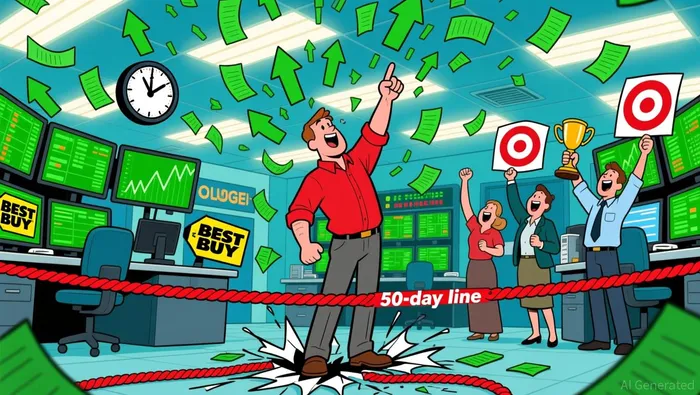
The primary driver behind this renewed momentum is a series of strong fourth-quarter earnings. Target's shares climbed 7% following its results, while Best Buy rose by 5.6% after exceeding earnings expectations. These sharp, high-volume moves have broken previous downward trends, signaling genuine momentum for now. However, the broader industry still faces challenges. While overall spending remains steady, demand for non-essential items is weak, which continues to weigh on stocks like Best Buy (down 31.5% over the past year) and Target (down 8.7%).
Technically, the sector is at a crossroads. On one hand, earnings-driven breakouts are encouraging. On the other, ongoing margin pressures and cautious consumer behavior create a difficult environment. Earnings growth projections have dropped sharply—from 16.6% to just 3.5% this quarter—indicating that profitability is under threat even if sales remain stable. While recent rallies are promising, the resistance established over the past year has not been decisively overcome.
For technical traders, the sector shows signs of improvement, but persistent selling pressure from weak discretionary demand remains. Bullish breakout moves need to be validated by sustained trading volume and continued upward movement. Until that happens, this scenario resembles the classic "buy the rumor, sell the news" pattern.
Buyer and Seller Dynamics in Retail Stocks
Recent price action highlights a clear contest between buyers and sellers. Target's stock jumped 7% after its earnings report, and Best Buy gained 5.6% following an earnings beat. Both stocks opened higher, breaking through resistance and signaling aggressive buying.
Despite these surges, neither stock has established a sustained upward trend, as both remain below their 50-day moving averages—a key technical indicator. This suggests that while the rallies are strong, they have not yet overcome the prevailing selling pressure that has dominated the past year. The downtrend persists.
High trading volumes confirm the strength of the initial breakouts, but year-to-date performance reveals ongoing seller dominance. Target is down 8.7% over the past year, and Best Buy has dropped 31.5%. These declines represent a large group of potential sellers waiting for price rebounds to exit their positions. The fundamental balance between buyers and sellers remains unchanged despite recent gains.
Traders face a delicate situation. Buyers currently have the upper hand, pushing prices higher on positive earnings news. However, sellers are still active, especially near the 50-day moving average. Until prices can hold above this level with strong volume, the trend remains vulnerable. A sustained move above the 50-day MA would indicate a shift in market dynamics.
Looking Ahead: Key Support and Resistance Levels
Recent breakouts have changed the technical landscape for retail stocks. To maintain this upward momentum, stocks must now demonstrate their ability to build on these gains. The immediate focus is the 30-day exponential moving average, which has served as a support level for the current bounce. A clear move above the 50-day simple moving average would signal a stronger uptrend, but until then, the 30-day EMA remains the critical support.
If stocks fail to hold this support, a retest of the previous downtrend line is likely. For Target, important support is around $100, while Best Buy's key level is near $55. Falling below these points would confirm that the recent rally was only temporary. Although initial trading volumes were robust, continued buying is necessary to push prices higher and establish new levels.
Further gains will be challenged by resistance. A break above the 50-day SMA would open the door to the next resistance zone—near $120 for Target and around $70 for Best Buy. Analysts have identified these levels as potential targets, with some suggesting Target could reach the $120 to $140 range. Achieving these targets will require confirmation through sales growth and improved margins.

Ultimately, traders must decide whether the sector can sustain its momentum. Holding the 30-day EMA could pave the way toward resistance at $120 for Target and $70 for Best Buy. A break below this support would likely lead to a retest of previous lows. With earnings growth slowing, price movements will depend heavily on technical factors and momentum. Watch for strong volume on any move toward resistance; without it, the breakout may not last.
Disclaimer: The content of this article solely reflects the author's opinion and does not represent the platform in any capacity. This article is not intended to serve as a reference for making investment decisions.
You may also like
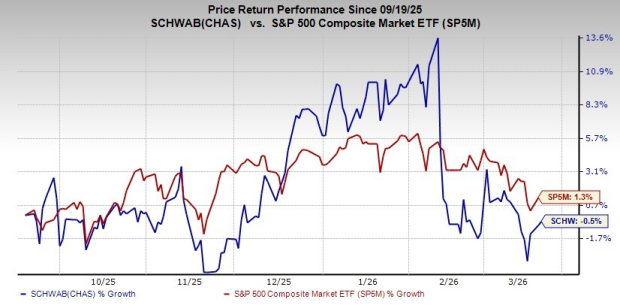
How does increasing client assets and expanding advisory services benefit Schwab?
VNRX Surges 24% on ctDNA Breakthrough — But Broader Market Drags It Down

Are Options Traders Aware of Information About Cabot Stock That We Aren't?
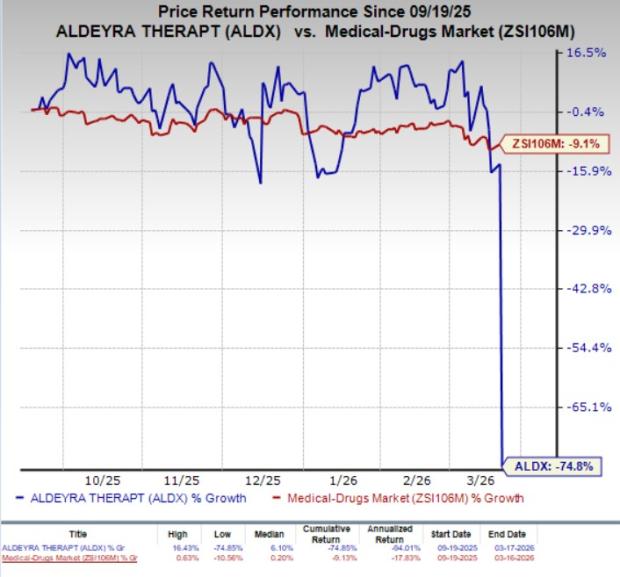
ALDX Plummets 71% Following FDA's Third Complete Response Letter for Dry Eye Disease Drug Application
Trending news
MoreCrypto prices
More





