
Digital won advances as Phase 2 pilot starts with 9 banks

CBDC pilot Phase 2 tests payments infrastructure; timeline pending decisions
The Bank of Korea and nine banks have launched the second phase of testing for the digital won. Phase 2 centers on payments infrastructure, while decisions on subsequent steps remain pending.
The pilot advances alongside ongoing policy and industry discussions. Formal scheduling for any broader rollout will follow those talks and associated risk reviews.
Why it matters: stability, bank costs, and policy clarity
The pilot arrives amid active debate over financial stability, bank implementation costs, and the need for clear rules. These issues will shape the scope of testing and how quickly the project proceeds.
A senior central bank leader has acknowledged cost pressures and regulatory uncertainty ahead of Phase 2. “The second phase will require significant investment,” said Ryoo Sang-dai, Senior Deputy Governor at the Bank of Korea, adding that the timeline will be finalized only after further discussions with banks and regulators. Within that context, the central bank has emphasized payment-system security and the importance of regulatory clarity before advancing.
Immediate impact on banks, merchants, and won-based stablecoins
Participating lenders face near-term operational demands tied to infrastructure work and pilot coverage. Banks say Phase 1 created heavy burdens across infrastructure, merchant onboarding, and marketing, with six banks each incurring about KRW 3–6 billion.
In parallel, some market voices see won-based stablecoins as a faster commercial path than a state-run CBDC. Banks have explored private won-pegged stablecoins that could advance more quickly than public trials.
Policy outlook and participation details
Where stablecoin bills stand in the National Assembly
Multiple bills have been introduced in the National Assembly that would set capital requirements for stablecoin issuers, ranging roughly from KRW 500 million to above KRW 5 billion. The pace and content of these measures are widely viewed as pivotal for the digital won roadmap.
Political direction also matters. President Lee Jae-myung’s administration supports won-based stablecoins and is pushing for enabling frameworks, which is influencing institutional priorities.
Roles and cost-sharing under discussion for participating banks
Discussions continue on how to divide infrastructure responsibilities and operating costs between the central bank and lenders. Outcomes here are likely to influence bank participation levels and the path, if any, toward commercialization.
FAQ about Bank of Korea digital won
Which nine banks are participating in Phase 2 and what roles will they play?
Nine banks are participating. Specific institutions were not identified in the cited reporting. Their roles center on Phase 2 infrastructure testing; detailed assignments are being finalized.
How will costs and infrastructure responsibilities be shared between the Bank of Korea and participating banks?
Cost-sharing remains under discussion. Banks flagged significant Phase 1 burdens, and Bank of Korea leadership indicated further talks will determine responsibilities and timeline.
Disclaimer: The content of this article solely reflects the author's opinion and does not represent the platform in any capacity. This article is not intended to serve as a reference for making investment decisions.
You may also like
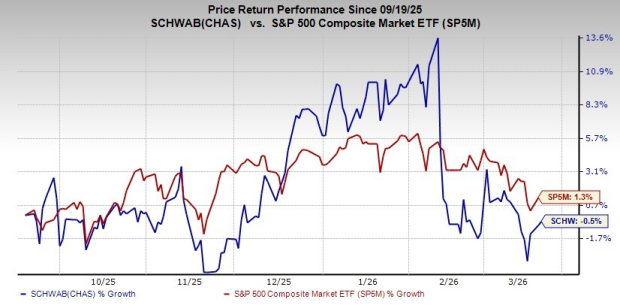
How does increasing client assets and expanding advisory services benefit Schwab?
VNRX Surges 24% on ctDNA Breakthrough — But Broader Market Drags It Down

Are Options Traders Aware of Information About Cabot Stock That We Aren't?
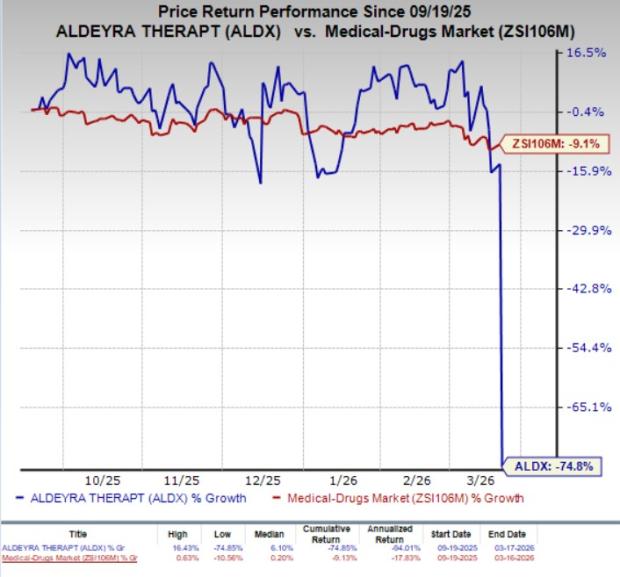
ALDX Plummets 71% Following FDA's Third Complete Response Letter for Dry Eye Disease Drug Application
Trending news
MoreCrypto prices
More





