
Starcore's Ajax Stake Swap: Strategic Withdrawal or Risky Liquidity Move?

Market Reaction to the Ajax Property Sale
Investors responded swiftly and favorably to the news of Starcore's Ajax property sale, with the company's shares rising 5.8% to $0.73 following the announcement. This uptick reflected market confidence in the transaction's immediate value. The deal itself was uncomplicated: Starcore transferred full ownership of the Ajax asset to Korestar Exploration Inc., a private company, in return for 2.5 million Korestar shares, $300,000 in cash, and agreed work commitments.
While the cash and work commitments total $300,000—a relatively small sum—the equity portion represents a significant stake in Korestar. However, since Korestar is a privately held company based in British Columbia and not publicly traded, these shares are currently illiquid. As a result, Starcore cannot readily convert this equity into cash, limiting the immediate financial benefit from the largest part of the deal.

This arrangement is a classic example of a tactical transaction: a modest cash injection now, paired with a potentially valuable long-term equity position. The initial stock price jump suggests investors appreciate Starcore's move to unlock value from an underutilized asset while retaining a stake in its future. However, the ultimate benefit depends entirely on Korestar's progress and its ability to become publicly listed—an outcome that remains uncertain.
Strategic Motivation: Deliberate Shift or Necessary Exit?
The sale of Ajax is consistent with Starcore's ongoing strategy to streamline its operations. The company's primary focus is on precious metals mining in Mexico, particularly at the San Martin mine. In contrast, the Ajax property—a remote, high-cost molybdenum project in British Columbia—has long been considered non-essential. This divestment follows earlier moves, such as the spin-off of African assets in early 2025, signaling a clear intent to concentrate on core gold and silver production and shed less strategic, more expensive projects.
Starcore acquired Ajax in 2015 but has made minimal investment in the property over the past decade, indicating it was already a dormant asset. By selling Ajax, Starcore shifts exploration risk to Korestar while maintaining a potential upside if the project succeeds. This approach exemplifies a lean strategy often used by junior miners: monetize non-core holdings to support key operations, while keeping a stake in future developments.
The recent establishment of an Advisory Committee further underscores the company's strategic intent. Although the committee's responsibilities are broad, its formation at this juncture suggests management is seeking outside expertise to guide the company through its current transition—whether that means optimizing the remaining asset base, refining capital allocation, or managing the complexities of the Ajax transaction. Bringing in new perspectives is a calculated move during a period of organizational change.

In summary, the structure and timing of the Ajax deal point to a planned strategic shift rather than a forced sale. The transaction allows Starcore to offload a non-core asset, reduce exploration risk, and potentially benefit from future developments, all while focusing resources on its primary operations in Mexico.
Financial Effects and Valuation Perspective
The immediate financial impact of the Ajax sale on Starcore's balance sheet is limited. The transaction brings in $300,000 in cash and work commitments, a figure that is negligible compared to the company's market capitalization of approximately $66 million. This small cash inflow does little to improve short-term liquidity. The main consideration—a 2.5 million share holding in a private company—remains illiquid and difficult to value. For now, Starcore adds a minor non-cash asset to its books, with no significant change to its cash position.
This modest financial contribution must be viewed in the context of Starcore's overall valuation and recent performance. The stock is trading well below its 52-week high of $1.4950, reflecting a market that has struggled to find consistent positive catalysts. While there have been some operational improvements, the financial outlook is mixed. The company recently reported a CA$0.01 profit in the third quarter of 2026, reversing a loss from the previous year. However, trailing earnings per share remain negative at -0.11, and there is no forward P/E ratio available, indicating ongoing skepticism about the company's ability to sustain profitability.
Starcore's annual earnings growth rate of 6.4% lags significantly behind the broader metals and mining sector, which averages 18%. This positions Starcore as a slower-growing, higher-risk investment. Recent stock price volatility, with swings of 18% or more in a single week, further highlights investor uncertainty. While the Ajax sale provides a small cash boost and a speculative equity holding, it does not fundamentally change the company's need to convert its Mexican mining operations into reliable, profitable growth that would justify a higher valuation.
Key Catalysts and Potential Risks
While the Ajax sale serves as a potential catalyst, its true impact will depend on several upcoming developments and Starcore's execution of its core business. One immediate concern is whether this transaction reflects underlying financial or operational challenges, rather than a proactive strategic shift. The initial 5.8% share price increase is based on the promise of future value from the Korestar stake, not on current cash flow improvements.
- San Martin Mine Performance: The most important factor to monitor is the ongoing performance of the San Martin mine in Mexico, which is Starcore's primary source of revenue. Although the company recently posted a small profit, overall earnings remain negative and growth lags the industry. Consistent operational success at San Martin is essential to justify the company's valuation and to support future exploration or expansion. Any setbacks in production or cost management could undermine the rationale for selling non-core assets like Ajax.
- Korestar Share Outcome: The value of the 2.5 million Korestar shares depends entirely on Korestar's ability to advance the Ajax project and eventually become publicly listed, such as on the CSE or TSXV. While Korestar has indicated this is its goal, there is no set timeline or guarantee. Investors will be watching for official updates on Korestar's exploration plans and listing progress. Until then, the equity stake remains a speculative, illiquid asset.
- Advisory Committee Role: The creation of the Advisory Committee introduces another variable. While it demonstrates a willingness to seek external advice, it may also signal concerns about management's ability to address challenges independently. If the committee is needed to resolve ongoing financial or operational issues, it could indicate that the Ajax sale was driven by a need for liquidity, and that further restructuring may be required.
In essence, this is a classic event-driven scenario. The Ajax transaction provides a modest cash injection and a speculative equity position, but does not fundamentally alter the company's profile as a modest-growth, volatile stock. The next key developments to watch are operational stability at San Martin, progress toward a Korestar public listing, and the effectiveness of the advisory committee. The direction of Starcore's share price will likely depend on which of these catalysts materializes first.
Disclaimer: The content of this article solely reflects the author's opinion and does not represent the platform in any capacity. This article is not intended to serve as a reference for making investment decisions.
You may also like
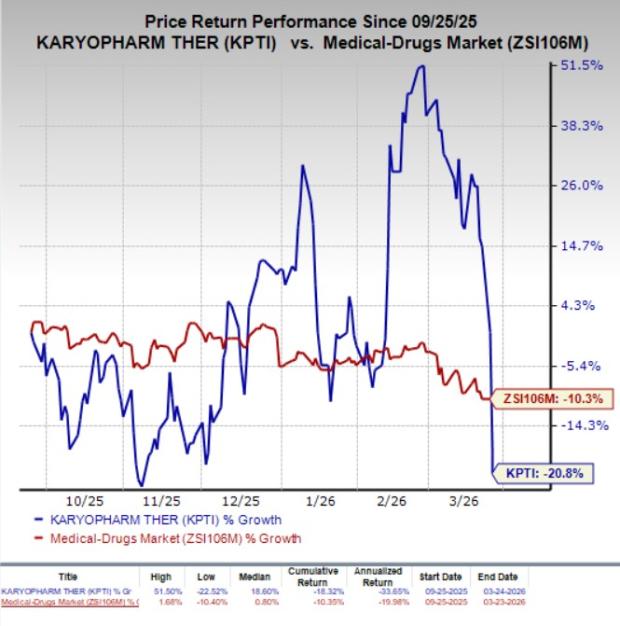
KPTI Shares Fall Following Varied Results from Phase III Myelofibrosis Combination Study
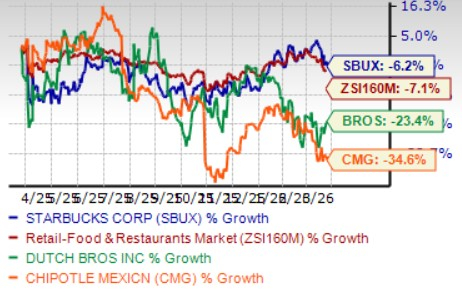
Can Starbucks' $2 Billion Savings Initiative Spark a New Wave of Margin Growth?
Gold Titan Falters: Newmont Jumps 3.8% as 'Gilded Civil War' Clouds Outlook

USD/CAD: Overshoot risk near 1.38 zone – Scotiabank
Trending news
MoreCrypto prices
More





