
IHG Repurchase Supported by Passive Investors While Executives Reduce Holdings

IHG’s Recent Buyback: Routine Execution or Strategic Signal?
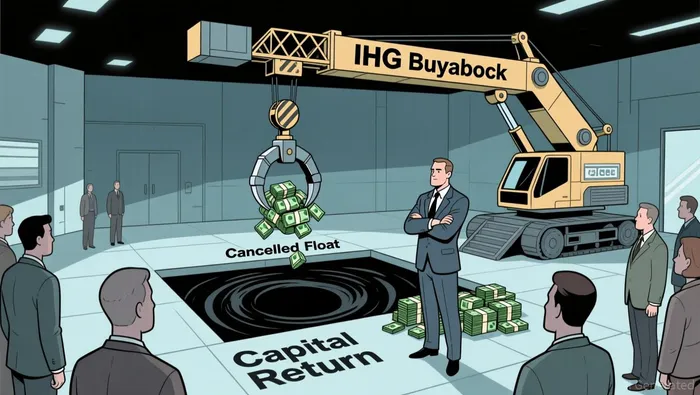
On March 19, IHG executed a share repurchase, spending $9.92 million to retire 76,481 shares at an average price of $129.73 each. This transaction was straightforward and aligned with the company’s ongoing $900 million buyback initiative announced in February 2025. Over recent years, IHG has consistently prioritized returning capital to shareholders, and this move fits that established pattern.
However, the underlying message is less clear-cut. The majority of IHG’s shares—about 80%—are held by institutional investors, most of whom are passive funds tracking indexes rather than active managers making conviction bets. While these investors benefit from a reduced share count, their presence doesn’t necessarily reflect strong confidence in the company’s near-term prospects. In this context, the buyback’s effect on market sentiment is limited; it’s a large player making waves in a pool already dominated by similar whales, but the overall current remains unchanged.
This dynamic creates a scenario where management’s disciplined capital return efforts are met with muted enthusiasm. The shareholder base is largely comprised of institutions that are likely to hold through market swings rather than aggressively accumulate shares on positive news. As a result, the buyback supports per-share earnings and reduces the float, but it does so for an audience that values stability over upside potential. The March 19 repurchase, then, appears more like prudent balance sheet management than a bold vote of confidence in the company’s future.
Insider Actions: Commitment or Cashing Out?
While institutional investors dominate the ownership landscape, insider activity paints a different picture. In February, top executives—including CEO Elie Maalouf—received stock awards as part of their deferred compensation, with grants made on February 18 and February 27. Notably, some of these shares were quickly sold on the London Stock Exchange.
This pattern is typical of executives realizing short-term gains from long-term incentive plans. While the awards are intended to align management with shareholders, the immediate sales suggest a preference for locking in value rather than holding out for further appreciation. When leadership reduces their exposure at the same time the company is buying back shares, it raises questions about their confidence in the stock’s future trajectory.
Broader insider selling, combined with the passive nature of most institutional holdings, reinforces the notion that the buyback is a standard corporate action rather than a strong endorsement from those with the most at stake. The absence of significant insider purchases alongside the repurchase program weakens the argument that management is deeply committed to the company’s upside.
Key Catalysts and Risks Ahead
The situation at IHG is a test of true conviction. While the company has outlined a robust capital return plan, the real indicator will be how aggressively management pursues further buybacks under the $900 million program. Consistent and substantial reductions in share count would signal genuine belief in the company’s value, while a slow or symbolic pace would suggest the buyback is merely routine maintenance.
Insider behavior remains a critical factor to monitor. The current trend of executives selling newly awarded shares is a cautionary sign. A shift toward meaningful insider buying—particularly by the CEO and other top leaders—would demonstrate stronger alignment and confidence. Until such a shift occurs, the lack of insider accumulation continues to undermine the narrative of management conviction.
The primary risk is that the buyback program serves only to support the share price in the absence of real earnings growth. With 80% of shares in passive hands, the stock could become vulnerable if fundamentals falter and institutional holders begin to exit. The ongoing pattern of insider selling only heightens this risk, suggesting that those with the best insight are not betting on a strong recovery.
IHG Stock Snapshot
Name: Intercontinental Hotels
Exchange: NYSE
Status: Closed
Price: 132.260
Change: +0.200 (+0.15%)
In summary, institutional investors are waiting for clear evidence that management’s capital return strategy is backed by genuine commitment and insider alignment. Until then, the buyback remains a neutral event—structurally supportive, but not a catalyst for renewed optimism.
Disclaimer: The content of this article solely reflects the author's opinion and does not represent the platform in any capacity. This article is not intended to serve as a reference for making investment decisions.
You may also like

Bitcoin Jumps 8% While Gold Falls 17%: Analyzing Price Movements Through Capital Flows

EUR/USD: Recovery faces fundamental doubts – Commerzbank
Trending news
MoreCrypto prices
More





