
Meta Faces "Big Tobacco" Legal Precedent Risk as Legal Battles Test Its AI-Driven Growth Story

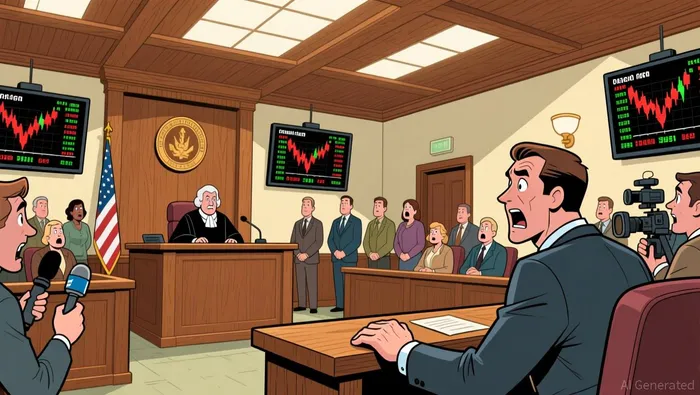
The core event is clear: a Los Angeles jury found MetaMETA-3.99% and GoogleGOOGL-2.34% liable for creating addictive social media platforms, ordering a combined $6 million in damages. The ruling, stemming from a case brought by a 20-year-old woman, accused the companies of knowingly engineering their products to hook young users. The market's immediate reaction was severe. Meta stock fell as much as 8% in a single session, shedding over $120 billion in market value. This sharp drop adds to a longer-term correction, with the stock down 18% over the past 20 days and 20% year-to-date.
The verdict has been framed through a stark historical lens. Investors and analysts are asking if this marks a "Big Tobacco Moment" for Big Tech-a regulatory inflection point where decades of legal immunity are shattered. The comparison is direct: just as tobacco companies faced a wave of liability suits after decades of denying harm, social media giants now face a similar existential threat. The jury's finding that Meta was 70% responsible for the harm, alongside Alphabet's YouTube, signals a potential shift in legal precedent. Experts note this could embolden regulators and plaintiffs globally, with one law professor stating the verdict "jeopardizes the entire social media industry."
Yet the thesis here is one of high-stakes testing, not definitive collapse. The financial penalty itself is modest, a rounding error for companies with vast cash reserves. The real risk is structural: a precedent that could unravel the Section 230 shield and open the floodgates to thousands of similar lawsuits. Meta and Google have already indicated they plan to appeal, a move that buys time and challenges the ruling's legal foundation. The coming months will test whether this is a costly setback or the start of a prolonged liability cycle.
Structural Parallels: The 'Big Tobacco' Analogy
The "Big Tobacco" comparison is structurally sound, but the scale of the threat remains the central question. Both eras share a critical shift: from industry self-regulation to external liability. In tobacco, the industry long denied harm, protected by a de facto safety consensus. Similarly, tech giants have operated under the implied shield of Section 230, which has long protected them from being held liable for user content. The recent verdicts directly challenge that legal foundation. Plaintiffs are reframing cases as product liability claims, arguing that the companies' own design choices-like infinite scroll and algorithmic feeds-engineered addiction and harm, thereby sidestepping the content-based protections of Section 230.
Yet the analogy hinges on proving deliberate design for harm, a burden the defendants are contesting. Meta and Google plan to appeal, with their legal fight almost certain to center on Section 230's scope. They argue their safeguards were sufficient and that the platforms are not solely responsible for a teen's mental health crisis. The tobacco analogy gains weight from the jury's finding that Meta was 70% responsible for the harm in the LA case, a verdict that explicitly links corporate decisions to user damage. This mirrors the historical struggle to prove tobacco companies knowingly designed products to be addictive.
The critical difference lies in the scale of potential financial exposure. The LA verdict's $6 million award is a symbolic blow, a rounding error for companies with massive cash reserves. But the separate New Mexico verdict found Meta liable for $375 million in penalties. That vast gulf in damages underscores the uncertainty. Is the LA award an outlier, or does it signal a new, lower baseline for settlements? The New Mexico figure suggests the potential exposure is not trivial, but it also reflects a different legal theory-misleading the public about safety and enabling child exploitation-adding complexity to the comparison.
The verdicts do mark a "new era in Internet litigation," as one expert noted, and they have already emboldened a wave of pending lawsuits. The real test will be whether the legal precedent set in these initial trials holds up through appeals and in the thousands of cases that follow. For now, the "Big Tobacco" analogy is a valid warning about a shattered legal shield and a shift in public and judicial perception. But the financial reality for Meta and Google remains a matter of degree, not kind.
Financial Resilience vs. Strategic Risk
Meta's financial position provides a powerful buffer against the dual pressures of legal liability and its massive AI bet. The company's core advertising engine remains robust, with Q4 revenue growing 24% year-over-year to $59.9 billion. This cash flow is the bedrock of its strategy. CEO Mark Zuckerberg has explicitly outlined a contingency: if AI timelines stretch, the company can profitably absorb massive amounts of extra compute by accelerating its core ad business. This built-in flexibility means the financial cushion from its booming ads can fund both legal costs and capital expenditures, even if AI projects face delays.


The strategic risk, however, is a potential performance gap in a key growth driver. Reports this week indicate Meta is delaying its newest custom AI model, code-named Avocado, and may temporarily license Alphabet's technology. The model reportedly fell short of internal benchmarks when compared to rivals. For a stock whose premium valuation has long been tied to its perceived AI leadership, any perceived lag is a direct threat to its growth narrative. The market's reaction-a 5-day drop of 11.4%-shows how quickly sentiment can sour on execution risks.
The bottom line is a tension between deep financial resilience and a critical strategic vulnerability. The core business is strong enough to absorb significant spending, whether for legal defense or AI infrastructure. Yet the AI race is not just about capital; it's about technological momentum and market perception. A delay in a flagship model, even if temporary, introduces uncertainty into the growth story that justifies the stock's premium. For now, the financials provide a safety net. But the valuation remains exposed to any further stumble in the AI timeline.
Catalysts, Risks, and What to Watch
The path forward hinges on three interconnected factors: the legal outcome, the pace of new litigation, and the financial strain on Meta's ambitious bets. The primary catalyst is the planned appeal. Both Meta and Google have signaled they will challenge the verdicts, with the fight likely centering on the scope of Section 230. A successful appeal could preserve the legal shield and contain the precedent. But if the rulings stand or are upheld on appeal, it would validate the "new era in Internet litigation" and likely accelerate the wave of pending lawsuits. The divergence in damages-from a symbolic $6 million to a staggering $375 million in New Mexico-already shows the uncertainty. The scale of future settlements will be a key metric to watch.
Beyond the courtroom, the company must navigate a growing regulatory and legislative front. The verdicts embolden a broader push to regulate platform design, moving beyond content liability to product liability. Investors should monitor any new state or federal legislation targeting features like infinite scroll or algorithmic feeds. The potential for a Supreme Court review on Section 230 adds another layer of uncertainty, but the timeline for such a decision is long. For now, the immediate risk is the sheer volume of similar cases that could follow, creating a prolonged legal and financial burden.
The critical financial guardrail is the core advertising engine. Meta's ability to fund both its legal defense and massive AI investments depends entirely on this cash flow. The company's Q4 revenue grew 24% year-over-year, providing a substantial buffer. CEO Mark Zuckerberg has even outlined a contingency where the core business can absorb extra compute costs. This resilience is the reason the stock's long-term trajectory isn't immediately in question. However, the strategic risk remains acute. The recent delay of the Avocado AI model and the potential need to license rival technology highlight that the AI race is not just about capital, but about technological momentum. Any further stumble in this key growth driver could undermine the premium valuation that makes the stock vulnerable to sentiment swings.
The bottom line is a test of endurance. The legal precedent is now challenged, but the financial foundation is strong. The coming months will show whether Meta and Google can successfully appeal their way out of the immediate liability, manage the flood of future cases, and continue to fund their transformative bets-all while the market watches for any crack in the growth narrative.
Disclaimer: The content of this article solely reflects the author's opinion and does not represent the platform in any capacity. This article is not intended to serve as a reference for making investment decisions.
You may also like
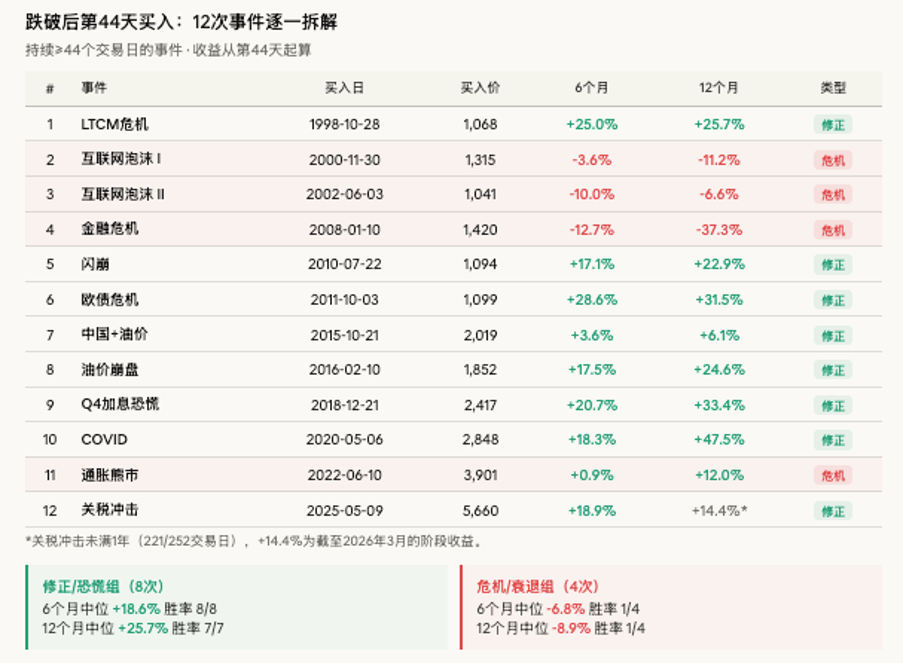
US stocks have remained below the 200-day moving average—Is this a good opportunity to buy the dip?
Alpha Cognition’s ZUNVEYL Sees Rapid Uptake—Why Investors Overlook the Road to Profitability by 2027

Global Perspective: Economic expansion worldwide is hindered by the energy crisis
Vera Bradley Turns Profitable Amid Revenue Dip

Trending news
MoreCrypto prices
More





