
Comcast’s Publicity-Focused Grants Compared to Insiders’ Subtle Departures: A Case of Strategic Disconnection

Comcast's Community Grant Initiatives: A Closer Look
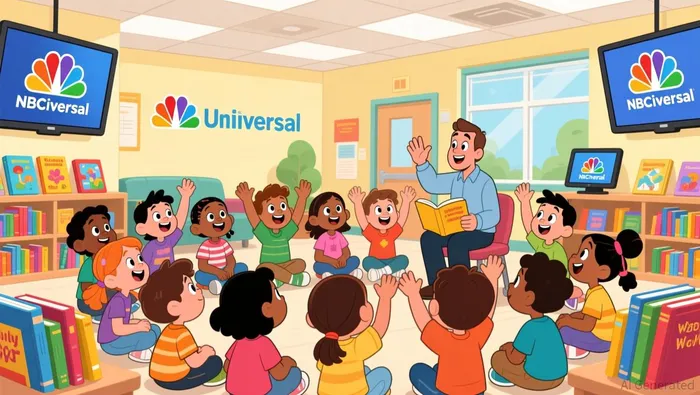
Comcast has made significant investments in community relations through its NBCUniversal Local Impact Grants, distributing $21 million to over 600 nonprofit organizations since 2018. Each year, $2.5 million in unrestricted funding is awarded to local groups, directly connected to its 11 NBC and Telemundo stations. The aim is to foster stronger community relationships and enhance the company's public image, with a focus on youth education, storytelling, and local involvement.
This grant program is just one element of Comcast’s larger philanthropic strategy. It falls under the umbrella of $1 billion Project UP, which is designed to broaden digital access and connectivity. Another initiative, Comcast RISE, has already directed $160 million to support small businesses. These efforts serve to boost Comcast’s reputation by leveraging its local presence to support community projects, while also promoting the Comcast brand.
However, from an investor’s perspective, the alignment of these initiatives with shareholder interests is debatable. While $21 million over seven years is a notable commitment, it is relatively minor for a company of Comcast’s size. Investors may question whether these funds are being used in ways that maximize shareholder value, especially as the company faces challenges such as declining cable subscriptions and fierce competition in streaming. Ultimately, these grants serve more as a public relations tool than a core business strategy.
Insider Activity: Executives Sell as PR Efforts Ramp Up
While Comcast’s community giving garners positive attention, a different narrative emerges from insider trading disclosures. Top executives have been steadily selling shares, even as the company invests millions in goodwill initiatives.
For example, Co-CEO Michael Cavanagh sold 57,947 shares in February, netting approximately $1.9 million and reducing his stake by about 8.5%. This was a significant divestment, not a minor adjustment. CFO Jason Armstrong also sold shares in March, continuing a trend of insider selling with no recent purchases by senior leadership.
The most substantial transaction came from Chairman and CEO Brian Roberts, who sold $20.4 million in stock last November, including restricted stock units and options from his compensation package. Although this represented less than 2% of his total holdings, the amount was considerable and sent a clear message.
This pattern raises concerns about executive confidence. When a CEO cashes out tens of millions while the company launches a major PR campaign, it suggests a disconnect between leadership and long-term shareholder interests. As Peter Lynch famously said, insiders buy because they expect the stock to rise. The ongoing selling by Comcast’s top executives paints a different picture, making the grant program appear more like a distraction than a sign of internal conviction.
Institutional and Political Investors: Signs of Withdrawal
The trend of insider selling is mirrored by broader moves among institutional and political investors. Recent data shows a clear reduction in Comcast stock ownership among major players.
In the latest quarter, 1,444 institutional investors reduced their Comcast holdings, while only 766 increased their positions. Notably, UBS Asset Management sold nearly 81 million shares in the fourth quarter, slashing its stake by over 74%. JPMorgan Chase also exited a significant portion of its holdings, selling more than 20 million shares. These are not routine adjustments, but rather deliberate moves to reduce risk by major funds.
Political figures have also been net sellers. Over the past six months, members of the U.S. House of Representatives have reported seven sales of Comcast stock, with no purchases. Representative Ro Khanna made several sales in January and February, while Representative Michael McCaul also sold shares in February. These transactions suggest a consistent pattern of divestment among those with access to privileged information.
In summary, as Comcast invests heavily in community grants, both institutional investors and lawmakers are reducing their exposure, signaling a lack of confidence in the company’s near-term outlook.
Investing in Storytelling: A Strategic Disconnect?
One segment of Comcast’s grant program, “next generation storytellers”, is directly linked to its core media business. This $2.5 million annual allocation is intended to nurture creative talent and support the company’s long-term content strategy. While this appears to be a forward-thinking investment, the actions of senior executives tell a different story.
Despite the company’s public commitment to fostering new media creators, top leaders like Michael Cavanagh and Jason Armstrong have continued to sell shares, and Brian Roberts’ $20.4 million sale stands out as particularly significant. If management truly believed in the future value of these initiatives, one might expect them to increase their own stakes rather than divest. Their actions suggest they see greater benefit in cashing out now than in betting on the company’s future growth.
A potential turning point could come with the planned spin-off of Comcast’s cable assets into a new entity, “SpinCo”. Announced last week, this move is intended to unlock value and allow for more focused strategies. Investors will be watching closely to see if insider selling persists after the spin-off announcement. So far, recent sales by Roberts and Armstrong indicate continued skepticism about the current stock price. For the spin-off to be successful, insiders will need to demonstrate renewed confidence by holding or buying shares—something that has yet to happen.
Key Indicators and Risks for Investors
The central issue is whether those with the most at stake are backing their company with their own money. So far, the evidence suggests otherwise. Investors should keep an eye on several key signals to gauge whether this trend will continue or reverse.
- Insider Buying: Watch for any significant purchases by top executives, especially the CEO or Co-CEO. In the past six months, there have been no insider buys—only sales. If Brian Roberts or Michael Cavanagh were to buy shares, it would signal renewed confidence in the company’s prospects.
- Institutional Holdings: The next round of quarterly 13F filings will reveal whether major institutions are still reducing their stakes or beginning to reinvest. The last report showed a clear outflow, and a reversal would indicate a shift in sentiment among large investors.
- Spin-Off Developments: The planned separation of the cable business into “SpinCo” is a major event. The key question is whether insider selling continues after the announcement. If executives keep selling, it will reinforce doubts about the long-term value of the new entity.

In conclusion, while Comcast’s community grant programs generate positive headlines, the actions of insiders and major investors suggest caution. The real test will be whether those closest to the company choose to invest alongside shareholders or continue to reduce their exposure.
Disclaimer: The content of this article solely reflects the author's opinion and does not represent the platform in any capacity. This article is not intended to serve as a reference for making investment decisions.
You may also like
Apple Maps Ads Experiment: Safeguarding Profits with Privacy or Facing User Pushback?



Goodbaby's Profits Plummet Due to Tax Factors: Consistent Sales Mask Underlying Vulnerabilities

Trending news
MoreCrypto prices
More





