
Are Crypto Payments Growing in Bitcoin and USDC or Is it Just Speculation?

Stablecoins processed $62 trillion in transfers in 2025. Bitcoin (BTC-USD) is accepted by over 19,000 merchants globally. Payment processors log millions of transactions each year. These numbers sound like crypto payments are taking off. However, raw measures lie. Strip out the trading bots, the exchange-to-exchange flows, and the protocol rebalancing, and the picture looks very different. Real commerce — meaning goods bought, suppliers paid, and invoices settled — represents a fraction of what the numbers suggest. This clearly underlines that much of the activity is speculation, not adoption.
End of Quarter Sale - 50% Off TipRanks
- Unlock hedge fund-level data and powerful investing tools for smarter, sharper decisions
- Discover top-performing stock ideas and upgrade to a portfolio of market leaders with Smart Investor Picks
The $62 Trillion Nobody Should Use at Face Value
Boston Consulting Group (BCG) published a white paper in January 2026 that bluntly addressed the question of stablecoin payments. Of the $62 trillion in gross stablecoin transfers last year, only $350-550 billion represented actual payments for goods and services between economically distinct parties. That is roughly 7% of the headline figure. The rest was trading, collateral movement, and internal wallet shuffling.
McKinsey & Company ran the same analysis independently and landed similar findings, around $390 billion in genuine payment activity. Two firms, two methodologies, one conclusion. The stablecoin payment market is real and growing fast. Still, there is a rounding error against the $200 trillion global payments market.
The reason the headline number inflates so dramatically is structural. Over 90% involves exchange deposits, derivatives collateral, and automated protocol activity rather than anything a merchant would recognize as a sale. High-frequency bots generate enormous on-chain volume without a single product changing hands.
Where Real Merchant Adoption Is Actually Happening
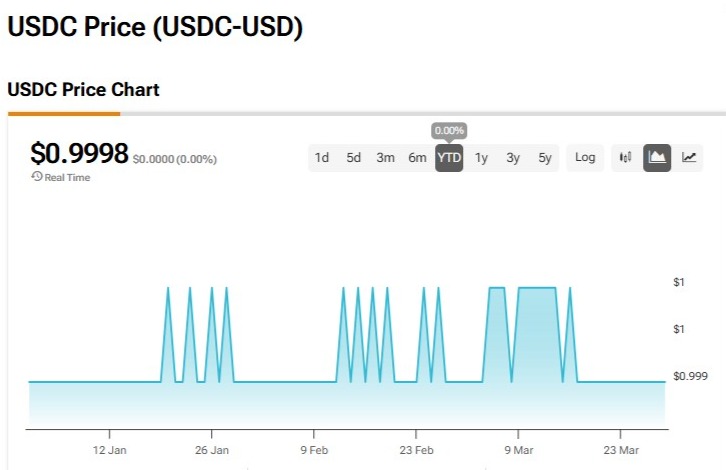
The USDC (USDC-USD) story is more compelling for payments specifically. CoinGate, one of the largest crypto payment processors in Europe, reported that USDC order volume grew 13x compared to 2024. The driver was regulatory clarity. Following the Markets in Crypto Assets (MiCA) regulations, which phased out Tether (USDT-USD) in European markets, merchants migrated to USDC as the compliant alternative. By late 2025, USDC accounted for 83.4% of payouts, up from a negligible share in 2024.
CoinGate processed 1.42 million payments in 2025 alone, bringing its cumulative total to over seven million transactions since launch. 37.5% of merchants on the platform now settle in crypto rather than converting immediately to fiat. A year earlier, that share was 27%. That kind of shift in merchant preference takes years to reverse.
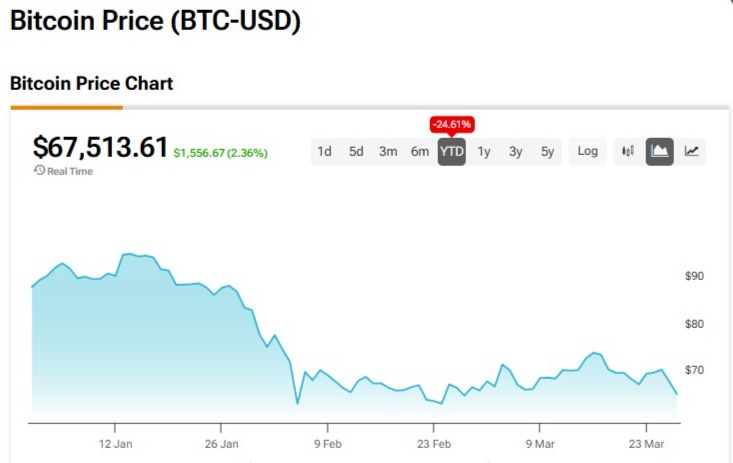
Bitcoin’s merchant footprint is also expanding, though more slowly. The number of verified merchants accepting BTC grew 65% in 2025, largely driven by Square’s Bitcoin rollout across its point-of-sale (POS) terminals. BTC still commands 42% of transactions by volume, ahead of USDT’s 30–35% share.
B2B Is Where the Real Momentum Lies
Consumer adoption gets most of the attention, but the more durable growth is happening in business-to-business (B2B) payments. BCG’s analysis found that B2B flows represent the largest share of real stablecoin payment volume, growing roughly 65% annually as supply chain firms and treasury teams test cross-border settlement rails.
The appeal is straightforward. Traditional cross-border transfers through correspondent banking cost 2–7% in combined fees and foreign exchange spreads, and can take three to five days to settle. Stablecoin rails cut that to seconds. Ernst & Young’s (EY) 2025 stablecoin survey found that 41% of users reported cost savings of at least 10% in B2B cross-border payments. For a mid-market business running thin margins, that is not a trivial efficiency gain.
Crypto payment gateways reflect this enterprise pull. The sector grew 82%, with 39% merchants now accepting crypto payments. 88% of the merchants cite customer demand as the primary reason for the switch. That is a different conversation than it was two years ago, when adoption was driven mostly by ideology.
The Key Barriers to Going Mainstream
The honest read on consumer crypto payments is that the friction is still severe. Only about 2,300 U.S. businesses accept Bitcoin directly, excluding ATMs. That is less than 1% of total merchants. Wallet UX, tax reporting complexity, and the absence of chargebacks keep most consumers from treating crypto as a default payment method. Several merchants still view crypto as speculative rather than transactional.
Stablecoins close some of this gap. Visa now settles with U.S. banking partners in USDC, a move that signals stablecoins are entering regulated payment infrastructure. However, broadly, it still requires better POS infrastructure and regulatory clarity, which are being written in most major markets.
What the Numbers Actually Mean for Investors
The speculation-versus-payments debate matters because it shapes how investors should interpret on-chain volume data. A spike in Bitcoin daily transactions does not mean more commerce is happening. It may mean more trading, more bot activity, or internal exchange movement.
The metrics that actually signal progress are narrower. Gateway transaction counts and merchant settlement preferences tell a more honest story than total on-chain transfer figures.
The investment case for Bitcoin and USDC as payment infrastructure is a long-cycle thesis. Bitcoin’s 65% merchant expansion and USDC’s 13x growth in volume confirm that commercial foundations are being laid. However, the gap between $62 trillion in trading volume and $390 billion in real payments is a reminder that crypto payments are still the exception, not the rule.
Copyright © 2026, TipRanks. All rights reserved.
Disclaimer: The content of this article solely reflects the author's opinion and does not represent the platform in any capacity. This article is not intended to serve as a reference for making investment decisions.
You may also like
AUD/USD snaps winning streak below 0.72 as Aussie jobs disappoint
South Korea: Potential trade disruptions could impact the Won – BNY
Trending news
MoreCrypto prices
More





