
Pennpetro Share Reinstatement Opens Door for Trading, Yet Investors Await Genuine Business Turnaround

Pennpetro Share Restoration: Technical Solution or Turning Point?
Pennpetro’s decision to reinstate 6 million shares is primarily an administrative measure aimed at resolving an old dispute, rather than a sign of business improvement. The central question for investors is whether this action was already anticipated by the market, or if it marks the start of a more meaningful recovery. Current circumstances suggest the latter may be true.
Trading in Pennpetro’s shares has been halted since August 2024, making the restoration of these shares a necessary step before any market activity can resume. Company leadership positioned last week’s shareholder vote as a pivotal moment for returning to trading. However, the outcome of the vote revealed a split among investors: the proposal to issue new shares barely passed with a 53% majority, while a separate motion to waive pre-emption rights failed. This close result underscores the uncertainty and mixed feelings among shareholders.
Given the prolonged suspension and skepticism surrounding Pennpetro’s direction, the market may have already factored in the likelihood of a positive vote. The slim margin of approval indicates that expectations for a smooth resolution were low, and the outcome may not spark renewed enthusiasm. Instead, it highlights lingering doubts and a lack of decisive support.
Ultimately, this move is a procedural fix, not a sign of improved earnings. While the restoration is a step toward resuming trading, the narrow approval suggests investor confidence is still shaky. The company must demonstrate progress in restructuring its operations and overcoming business challenges before the market will respond positively.
Share Dilution: Consequences for Ownership and Investor Confidence
Adding 6 million shares directly dilutes existing shareholders, reducing their proportional ownership. For a company already facing financial difficulties, this dilution intensifies pressure on its investor base.
Pennpetro’s recent financial results paint a troubling picture. For the six months ending September 2024, the company reported zero revenue, a steep decline from $30,000 the previous year, and a pretax loss of $447,000. Management described this period as “highly critical” with “limited options to continue.” These figures reflect a company struggling to develop productive assets and running low on funding alternatives.
In this context, the dilution is more than a bookkeeping entry—it’s a costly but necessary step to resolve past issues and pave the way for trading to resume. Issuing new shares to settle legacy disputes further erodes the equity of long-term shareholders who have endured the suspension and financial setbacks. The market will weigh this dilution against Pennpetro’s ability to generate revenue and rebuild its financial foundation.
These developments highlight deep-seated financial and governance challenges. As Pennpetro works to address compliance gaps and restore full trading status, the dilution serves as a reminder of the consequences of past mistakes. For shareholders, the restoration removes a significant obstacle but also reduces their stake in a company still facing major operational and financial hurdles.
Expectation Gap: Technical Fix vs. Business Recovery
While the share restoration resolves a technical issue, it does not address the underlying business collapse. Pennpetro’s financials reveal no revenue for the first half of the year, a dramatic fall from the previous period. This is not a minor setback—it signals a complete breakdown in operations. The board has described this as a “highly critical time” with few options remaining, emphasizing the company’s failure to develop productive assets and secure funding.

The gap between expectations and reality is significant. While the market may have anticipated the resolution of the share dispute, it has not priced in a genuine business turnaround. The board’s focus on compliance and restoring trading status confirms that deeper financial and governance issues persist. The share restoration enables Pennpetro to re-enter the market, but it does not solve the fundamental problems of revenue generation and asset development.
The next major event is the release of the audited 2024/25 full-year accounts. The company has postponed its shareholder meeting to allow time for these results, highlighting their importance. This audit will offer the first verified insight into Pennpetro’s financial health following its operational collapse. Investors will shift their attention from the share restoration to the company’s financial outlook and recovery plan.
In summary, the share restoration is a superficial fix for a much deeper business challenge. The real issue is not the number of shares, but Pennpetro’s ability to generate revenue and rebuild its operations. Until the audited accounts reveal a viable path forward, skepticism will remain high. The restoration removes one obstacle, but expectations for a functioning business are still unmet.
Looking Ahead: Key Catalysts and Risks for Pennpetro
Restoring shares is a necessary step, but it is not the decisive factor for Pennpetro’s future. The market now seeks evidence of real progress in the company’s strategic overhaul. Upcoming developments will determine whether this news leads to lasting recovery or simply provides temporary relief.
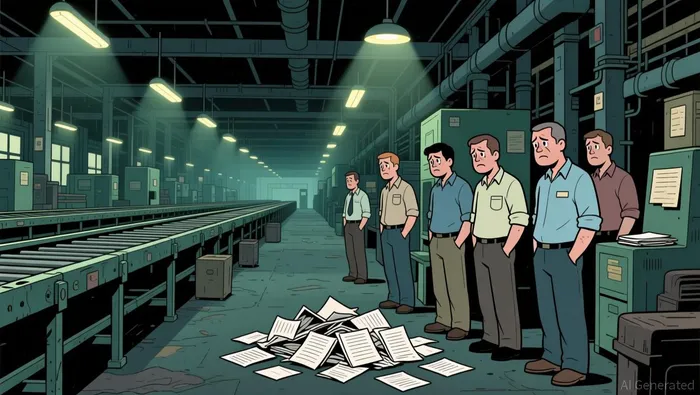
The main catalyst is Pennpetro’s shift in focus. Management is exploring new opportunities in the US and Canada, moving away from its previous emphasis on Texas. This change is a direct response to the operational failures that resulted in no revenue. Investors will look for specific details about these new initiatives—projects, timelines, and funding plans. A clear strategy could signal a genuine reset, while vague promises would suggest the restoration is merely a technical fix.
The greatest risk remains the company’s fundamental business collapse. The share restoration does not address the lack of revenue, failed asset development, or limited funding options. Issuing 6 million new shares further strains the capital base. If Pennpetro’s new strategies do not materialize quickly, its financial challenges will persist. The market’s response to the restoration will be telling; the narrow shareholder vote indicates skepticism, and a lack of positive movement could confirm that this is simply a “sell the news” scenario.
For investors, the focus has shifted beyond share count. The next critical milestone is the release of the audited 2024/25 accounts, which will provide the first comprehensive financial assessment after the company’s operational collapse. Until then, progress on new US and Canadian ventures will be the main indicators of a potential turnaround. Watch for announcements regarding these projects as the true drivers of future guidance.
Disclaimer: The content of this article solely reflects the author's opinion and does not represent the platform in any capacity. This article is not intended to serve as a reference for making investment decisions.
You may also like
DXY: Energy shock keeps Dollar bid – BBH
USD1U Breaks Out After 24-Hour Consolidation Near 1.0001

Purchase 3 Hartford Mutual Funds for Steady Performance
KGSTU Stalls at $0.01144 Despite Mid-Session Volume Spike

Trending news
MoreCrypto prices
More





