
Fed December Rate Cut Predictions Adjust as Inflation and Ceasefire News Emerge

Federal Reserve Maintains Interest Rates Amid Inflation Concerns
At its March 2026 meeting, the Federal Open Market Committee opted to keep the federal funds rate unchanged between 3.5% and 3.75%. This decision was influenced by ongoing inflationary pressures, largely stemming from geopolitical tensions in the Middle East and the impact of tariffs. While some policymakers are increasingly considering raising rates if energy costs persist at high levels, most still see rate reductions as a possibility should economic growth weaken. Market forecasts remain divided, with certain analysts expecting cuts as soon as September, while others, including JPMorgan, anticipate no rate decreases throughout 2026.
Inflation Data Adds Complexity to Rate Outlook
Recent economic reports have muddied the outlook for monetary policy. March's Consumer Price Index showed headline inflation at 3.3%, but core inflation was softer at 2.6%. This gap suggests that the energy price surge has not yet significantly affected broader consumer costs, which could allow the Fed to consider easing policy later in the year. Following a ceasefire between the U.S. and Iran, the likelihood of a rate cut by year-end has climbed to around 43%.
Forecasts for the First Rate Cut
Leading Wall Street firms have updated their predictions regarding when the Fed might lower rates. Many now expect the first cut to occur in September or December 2026. Citigroup has revised its outlook to anticipate reductions in September, October, and December, citing robust job growth as a key factor. Wells Fargo economists have similarly postponed their expectations to later in the year, emphasizing the importance of patience amid ongoing geopolitical risks.
JPMorgan’s chief economist has taken a more cautious approach, predicting that rates will remain unchanged in 2026 and may even rise in 2027 if inflation persists. This stance stands in contrast to the broader consensus, which anticipates at least one rate cut. Federal Reserve staff projections suggest inflation could return to 2% by the end of next year as energy price pressures diminish.
Geopolitical Events and Their Effect on Monetary Policy
Instability in the Middle East has been a major contributor to rising inflation, with oil prices climbing above $115 per barrel. Federal Reserve officials have noted that the conflict with Iran and subsequent tariff increases have heightened inflation risks while also threatening employment. The recent ceasefire has eased some concerns, sparking a rally in risk assets and boosting Bitcoin prices.
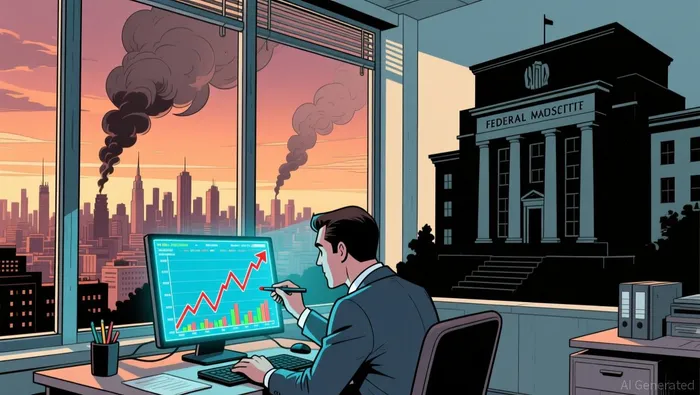
Despite the ceasefire, uncertainty remains, with renewed disruptions in the Strait of Hormuz complicating the economic outlook. Officials have indicated that it is too soon to fully assess the impact, supporting a cautious approach to monetary policy. The central bank has reiterated that its decisions will be guided by incoming data and are not predetermined.
Implications for Digital Assets and Financial Markets
Shifting expectations for interest rates are directly affecting the cost of capital in technology and AI sectors. Prolonged higher rates put pressure on valuations for companies that are not yet profitable and increase financing costs for infrastructure initiatives. Bitcoin and other risk assets have responded positively to softer core inflation numbers and the possibility of future rate cuts.
Bitcoin Trend Overview
Below is a snapshot of Bitcoin’s recent performance:
- Symbol: BTCUSD
- Name: Bitcoin
- Price: 71,747.510
- Exchange: BINANCE
- Change: -1,292.740
- Percent Change: -1.77%

Investor Strategies Amid Uncertainty
Market participants are now shifting their focus from timing rate cuts to identifying companies that can deliver returns regardless of monetary policy changes. The market’s reaction to subdued core inflation suggests that recent energy shocks may be temporary, rather than signaling a prolonged inflationary trend. This environment allows the Fed to remain flexible, with the option to lower rates if labor market conditions worsen.
Disclaimer: The content of this article solely reflects the author's opinion and does not represent the platform in any capacity. This article is not intended to serve as a reference for making investment decisions.
You may also like
GBP/USD Surpassing 1.3550 May Signal Upward Momentum—Failure to Hold Could Lead to a Decline Toward 1.3300

Colombia's Lame-Duck Tax Reform Sets Up Fiscal Transition Risk for New Congress
US-Iran Negotiations Collapse, Two Super Tankers Turn Back in the Strait of Hormuz
Trending news
MoreCrypto prices
More





