
Recession Indicators: Unveiling the Vicious Cycle Index and Unseen Pressures in the Labor Market

VCI Signals Recession Amid Labor Market Turbulence
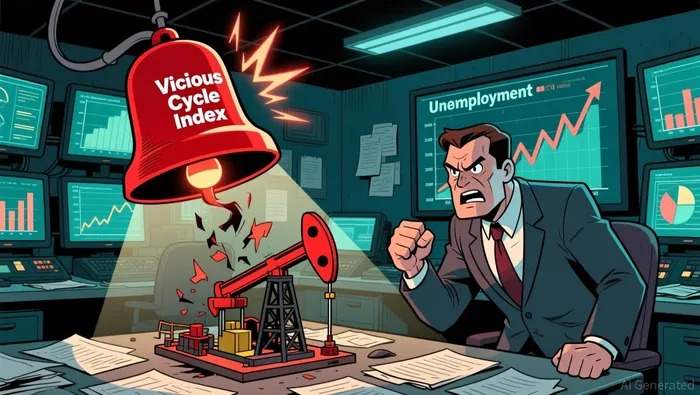
The Vicious Cycle Index (VCI), developed by Moody's chief economist Mark Zandi, serves as a recession warning tool that adjusts for labor force changes. This indicator, which builds upon the Sahm Rule, triggers a recession alert when the average unemployment rate over three months increases by more than one percentage point compared to the previous year. The VCI's signal is strengthened by the combination of rising unemployment and a drop in labor force participation—highlighting those who have stopped searching for work.
In January, the VCI surpassed the critical threshold of 1, indicating the economy had likely entered a recession. According to Zandi, this recessionary signal persisted through February and March. Unlike traditional unemployment figures, the VCI incorporates "discouraged workers," offering a more comprehensive view of labor market distress that headline numbers may overlook.
Recent payroll reports present a conflicting narrative. While March saw a robust increase of 178,000 jobs, Zandi cautions that this uptick followed a steep decline in February and may not reflect true economic strength. The VCI suggests that the labor market is weaker than headline job gains imply, pointing to underlying slack.
Unmasking Labor Market Weakness
February's data revealed stark challenges: the economy shed 92,000 jobs, reversing previous gains. Healthcare, which had consistently added jobs for over a year, lost 28,000 positions due to strikes and harsh winter conditions. This downturn erased prior progress, resulting in stagnant job growth for six months.
Absolute Momentum Long-only Strategy: SPY Backtest
- Entry Criteria: Buy when the 252-day rate of change is positive and the closing price exceeds the 200-day simple moving average (SMA).
- Exit Criteria: Sell if the price drops below the 200-day SMA, after 20 trading days, upon reaching a profit of 8%, or if losses hit 4%.
- Asset: SPY
- Risk Controls: Take profit at 8%, stop loss at 4%, maximum holding period of 20 days.
Backtest Performance
- Strategy Return: 4.26%
- Annualized Return: 2.36%
- Maximum Drawdown: 9.38%
- Profit-Loss Ratio: 0.92
Trade Statistics
- Total Trades: 12
- Winning Trades: 7
- Losing Trades: 5
- Win Rate: 58.33%
- Average Holding Days: 16.92
- Max Consecutive Losses: 3
- Average Win Return: 2.59%
- Average Loss Return: 2.68%
- Largest Single Gain: 3.91%
- Largest Single Loss: 4.46%
The labor force participation rate, a crucial component of the VCI, dropped to its lowest point since December 2021. This decline signals that more individuals have stopped seeking employment—a factor not captured by the headline unemployment rate. February's report also included a downward revision of the labor force by 1.4 million, reflecting updated Census estimates and further exposing labor market fragility.
March's data showed a statistical rebound with 178,000 jobs added, but the unemployment rate fell mainly because the labor force shrank. The survey indicated 64,000 fewer people were employed. This pattern suggests that the apparent job gains may mask a shrinking workforce, underscoring a precarious labor market characterized by alternating losses and misleading recoveries.
External Shocks: Oil, Inflation, and the Fed's Challenge
The already vulnerable labor market now faces additional risks. The ongoing conflict in Iran has caused an unprecedented disruption in global oil supply, with the Strait of Hormuz closed for five weeks. This has pushed Brent crude prices above $120 per barrel, intensifying inflationary pressures and threatening the prospect of a gentle economic landing.
Research from the Dallas Fed estimates that a prolonged closure could drive U.S. headline inflation above 4% by year-end. Their model suggests that if the disruption lasts three quarters, fourth-quarter inflation could rise by up to 1.8 percentage points. This scenario—where inflation climbs amid economic weakness—contradicts the Federal Reserve's expectations for declining inflation.
The Fed currently plans to keep interest rates steady through the year, but persistent oil-driven inflation may force a change in policy. If gasoline prices continue to impact core inflation, the central bank's confidence in stable inflation expectations could be shaken. The combination of a deteriorating labor market and surging energy costs presents a classic policy dilemma: efforts to curb inflation may worsen a recession already signaled by the VCI.
Disclaimer: The content of this article solely reflects the author's opinion and does not represent the platform in any capacity. This article is not intended to serve as a reference for making investment decisions.
You may also like
Stellantis' €22B Charge: Strategic Reset or Fraud Overhang Catalyst?

WLFIUSD1 Stalls at $0.0800 After April 12th Volatile Selloff

Forget Bitcoin ETFs; This Is How Crypto Is Really Going Mainstream
Prediction: These two well-known cryptocurrencies are likely to drop by at least 50% in value over the long run
Trending news
MoreCrypto prices
More





