
GFL’s Bold Move to Reduce Debt: Divesting a Top-Tier Environmental Division to Boost Efficiency Through Strategic Spending

GFL's Strategic Shift: From Rapid Expansion to Financial Realignment
GFL has recently changed course, moving away from its previous aggressive growth strategy to focus on stabilizing its finances. After years of expanding swiftly through numerous acquisitions across North America, the company now faces a substantial debt burden that has unsettled investors. The new approach centers on consolidating operations and reducing leverage, rather than simply pursuing greater scale.
Major Asset Sale to Strengthen Balance Sheet
At the heart of GFL’s new direction is a significant divestiture. The company anticipates generating at least $4.3 billion after taxes from selling its environmental services division. According to the CEO, a minimum of C$3.5 billion from these proceeds will be used to pay down debt, with any remaining funds potentially allocated to share repurchases or other initiatives. This decisive move is designed to directly address financial pressures and reassure stakeholders by lowering the company’s leverage.
Reinvesting in Core Waste Management
Alongside the divestment, GFL plans to channel resources back into its primary waste management business. The company has earmarked approximately $900 million for acquisitions in the current year. However, progress has been somewhat delayed due to the ongoing spinoff of the environmental services segment, expected to complete in early 2025. The recent acquisition of Superior Waste Industries in Oklahoma marks the beginning of this renewed investment, signaling GFL’s intent to bolster its integrated waste operations.
A New Growth Model: Focused and Disciplined
GFL is now recalibrating its approach to growth. The era of broad, debt-driven mergers and acquisitions is giving way to a more targeted strategy: divesting non-essential assets to reduce debt and making selective acquisitions to deepen its presence in key markets. This dual-pronged plan is intended to enhance both financial stability and operational focus, directly addressing the concerns that have accompanied the company’s rapid rise.
Targeted Expansion: The Superior Waste Acquisition
The purchase of Superior Waste Industries exemplifies GFL’s refined acquisition strategy. This all-cash deal brings an integrated solid waste company in Oklahoma into GFL’s portfolio, expanding its reach with multiple transfer stations and a municipal landfill in the state.
Superior Waste itself was built through a series of acquisitions funded by Red Dog Equity, growing rapidly since its founding in 2022. The sale to GFL represents the next logical step for Superior, which had established itself as a leading independent waste company in Oklahoma. For GFL, this acquisition not only increases its market share but also improves operational efficiency by internalizing more waste streams. The transaction also highlights a broader industry trend, with larger companies absorbing successful regional players.
Valuation Insights: Setting a New Industry Standard
The anticipated $4.3 billion after-tax proceeds from GFL’s environmental services sale set a new benchmark in the sector. This valuation far exceeds the CAD$1.075 billion paid by Waste Connections for a portfolio of 30 energy waste facilities in Western Canada earlier in 2024, which generated about CAD$300 million in annual revenue.
This substantial premium suggests that GFL’s environmental services business is both more valuable and more profitable than its energy waste operations. The higher valuation likely reflects the division’s stable, regulated income streams and its strategic significance within GFL’s broader operations. By selling at this peak, management demonstrates confidence in the business’s standalone worth and the strong demand from potential buyers.
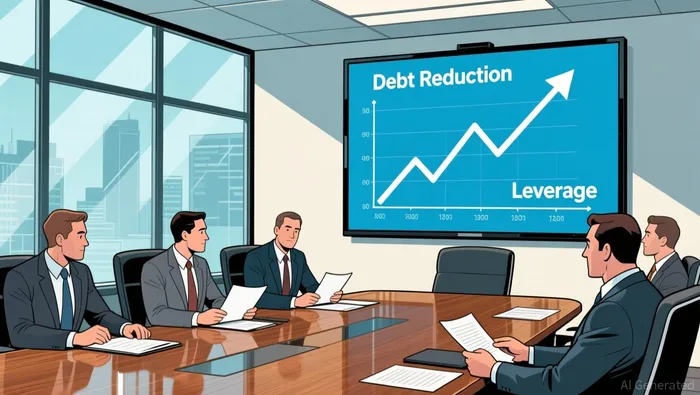
Importantly, the funds from this sale will be used to reduce debt, directly addressing investor concerns about leverage. This transaction is a cornerstone of GFL’s strategy to restore financial health following a period of rapid expansion, turning a potential liability into an opportunity to reinforce its core business.
Key Drivers and Challenges: Navigating the Transition
The effectiveness of GFL’s transformation depends on several critical factors and the company’s ability to manage associated risks. The primary catalyst is the successful completion of the environmental services sale, expected by early next year. This deal is essential for funding the planned debt reduction of at least C$3.5 billion. Until the transaction is finalized, GFL’s financial flexibility remains limited by its current debt levels.
Another pressing concern is the recent series of violent incidents affecting GFL’s operations. The company has faced investigations following shootings at its Toronto office, as well as incidents at the homes of its CEO and a consultant. Additionally, fires at three Ontario sites are being probed as possible arson. While GFL is cooperating with authorities and reviewing its security measures, these events introduce operational and reputational risks that could disrupt business, raise insurance costs, and divert management’s attention from executing its core strategy.
There is also the challenge of executing the planned acquisition program. With a target of $900 million in acquisitions this year, GFL must be cautious not to overpay, especially if competition for attractive assets intensifies. Maintaining financial discipline is crucial to avoid repeating the debt-driven expansion that necessitated this strategic pivot.
Conclusion: A Company at a Turning Point
GFL stands at a pivotal moment. Its future will be shaped by the successful completion of a major asset sale, the ability to manage operational risks, and disciplined investment in its core business. Achieving these goals will determine whether GFL can emerge as a stronger, more focused company with a healthier balance sheet and a clear path forward.
Disclaimer: The content of this article solely reflects the author's opinion and does not represent the platform in any capacity. This article is not intended to serve as a reference for making investment decisions.
You may also like

Healthequity's Earnings Surge Can't Outrun Bearish Signals

Japanese Yen falls as US Dollar rises after US–Iran talks collapse
Trending news
MoreCrypto prices
More





