
Three Senior Fed Officials Speak Out: Core Inflation May Be Near 3%, Interest Rates Likely to Remain Unchanged

Forex Network, April 16—— Statements from three regional Federal Reserve presidents show that the Fed's concerns over inflation have clearly increased amid surging oil prices caused by the Middle East conflict. With the core inflation rate likely to approach 3% this year, it is highly probable that the Fed will maintain its current 3.50%-3.75% interest rate range in the short term.
Several regional Federal Reserve presidents have recently commented consecutively on the current economic situation and monetary policy outlook. They generally believe that the sharp rise in oil prices driven by the Middle East war is putting significant pressure on the US inflation outlook. Core inflation may approach or reach 3% this year, far higher than the Fed's long-term target of 2%. Therefore, the Fed will likely need to keep interest rates at the current level for some time.
Musalem: Oil Price Transmission Will Push Up Core Inflation, Rates Should Remain Unchanged
St. Louis Federal Reserve President Alberto Musalem stated on Wednesday (April 15) that high oil prices may continue to push up core inflation for the remainder of this year, keeping it nearly 1 percentage point above the Fed’s 2% target. As a result, the Fed may need to maintain its policy rate target range at the current 3.50%-3.75% for some time.
Musalem pointed out, “It is very likely that oil prices will, to some extent, be transmitted to core inflation.” He expects that this core indicator of price rises will be “slightly below 3%, possibly around 3%” by the end of the year, while there is a risk of the inflation rate climbing further.
He added that the Fed may keep rates at their current level “for a period of time,” and will closely monitor changes in inflation, employment, and economic data in the coming months. He said that many colleagues share this view.
Although the Fed previously prepared to cut rates this year, the outbreak of the Middle East war and the subsequent oil price surge have completely changed the policy outlook. Currently, investors generally expect that the Fed will extend its rate pause as it continues to monitor the effects of the conflict.
Goolsbee: Oil Price Rise May Lift Consumer Inflation Expectations, Creating a Double Threat
Chicago Fed President Austan Goolsbee said Tuesday that rising oil prices may lead to a notable increase in consumer inflation expectations. He pointed out that with tariff-induced inflation not yet fully receding, a climb in oil prices constitutes a "double threat."
Goolsbee stated: “If oil prices remain high, we might see consumer inflation expectations rise significantly. When this effect is added to the unresolved tariff inflation, it creates a double threat.”
Hammack: Interest Rates Face Two-Way Risks, Not Rushing to Adjust in Short Term
Cleveland Fed President Beth Hammack said Wednesday that she currently sees no urgent need to adjust the Fed’s rate target, but in the future there could be both cuts and hikes.
Hammack noted: “I believe the current level of rates is appropriate. My baseline judgement is we will keep rates unchanged for quite some time, but I do think rates face two-way risks.” She added, “Depending on how the data perform, we might need to take a more accommodative or more restrictive stance.”
Hammack emphasized that this stage is particularly challenging for the Fed, because the latest energy price shock triggered by the Middle East conflict comes at a time when inflation has long been above target, making interest rate policy decisions more complex. She said the key issue is “how high energy prices will rise and how long they will stay elevated.”
She further noted that high energy prices may be “more inflationary,” but if they begin to affect consumers’ willingness to spend, it may show up in economic growth and labor market data. She believes that although the Fed often treats supply shocks as temporary phenomena that can be “ignored,” this round may be different.
Hammack said: “A series of successive supply shocks makes it hard to judge what policy action the Fed should take. When all this happens while inflation is already elevated, its nature may differ from the situation we would have faced entering this phase in a low and stable inflation environment.” She stressed, “Now is a good time to be patient and observe how the data evolve.”
Overall Judgement on Inflation and the Labor Market
Several Fed officials stated that the current inflation situation remains far from optimistic. The Fed uses PCE as the indicator for its 2% inflation goal; as of February, the annual growth rate of this index was 2.8%. Excluding the highly volatile items like energy, the core indicator reached 3% in February, and is expected to further climb to 3.2% in March.
Musalem pointed out that although the sustained effects of last year's tariff hikes may gradually fade this quarter and housing price inflation is easing, oil prices are heading in the opposite direction and various service inflation rates remain high. If inflation starts to rise and may lift inflation expectations, he will be open to raising rates.
Hammack also noted that inflation being above the 2% target for a long time has inflicted a clear blow to the economy. She said, “For the past five years, we’ve been above the 2% target. During this period, people have actually experienced the equivalent of a decade’s worth of inflation shocks.”
On the labor market side, officials believe that the current job market is relatively balanced, wage competition remains moderate, and has not yet created extra pressure on inflation. But they also warn that the crude oil market has seen its third negative supply shock in the past 12 months, coupled with rising tariff rates and tightening immigration policies, which not only threaten the inflation outlook but may also undermine economic growth and the jobs market.
Overall Assessment
Statements from three regional Federal Reserve presidents show that the Fed’s concerns over inflation have clearly increased amid surging oil prices caused by the Middle East conflict. With core inflation likely approaching 3% this year, it is highly probable that the Fed will maintain its current 3.50%-3.75% interest rate range in the short term.
The future direction of policy will remain highly dependent on inflation data, labor market conditions, and further developments in the Middle East. Federal Reserve policymakers are currently choosing to exercise patience and closely monitor the evolution of data to address the two-way risks between inflation and growth.
Disclaimer: The content of this article solely reflects the author's opinion and does not represent the platform in any capacity. This article is not intended to serve as a reference for making investment decisions.
You may also like
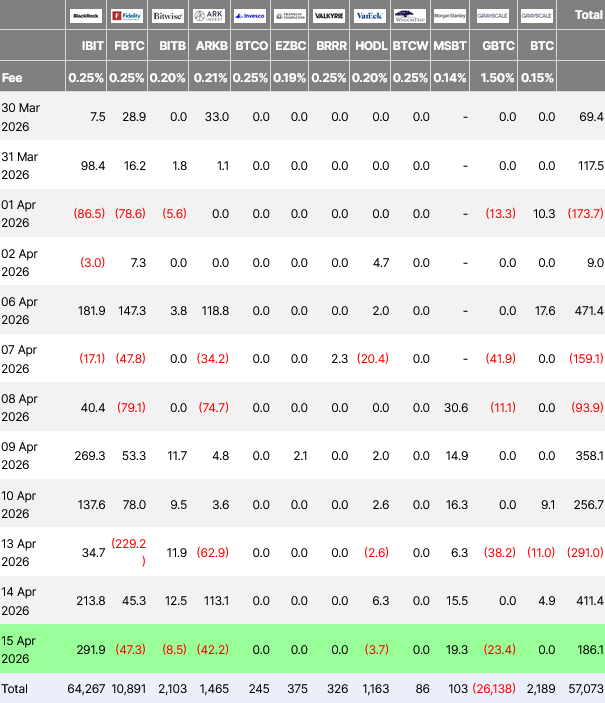
Morgan Stanley’s Bitcoin fund overtakes WisdomTree after 6 trading days
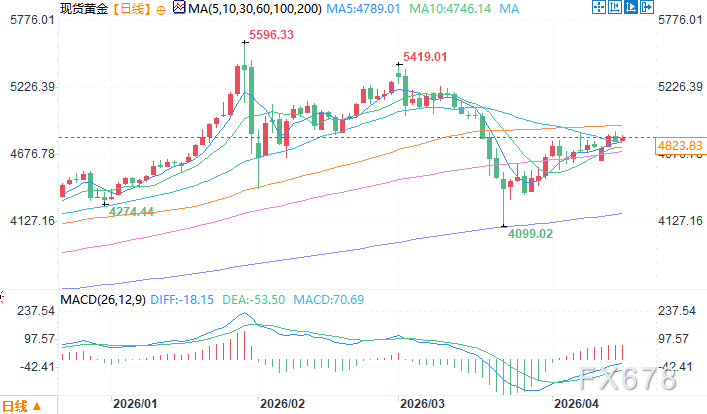
Institution: Gold is a high-quality liquid asset and is playing its proper role
SATS (1000SATS) sees 44.9% volatility in 24 hours: Trading volume surges 340%, driving rebound
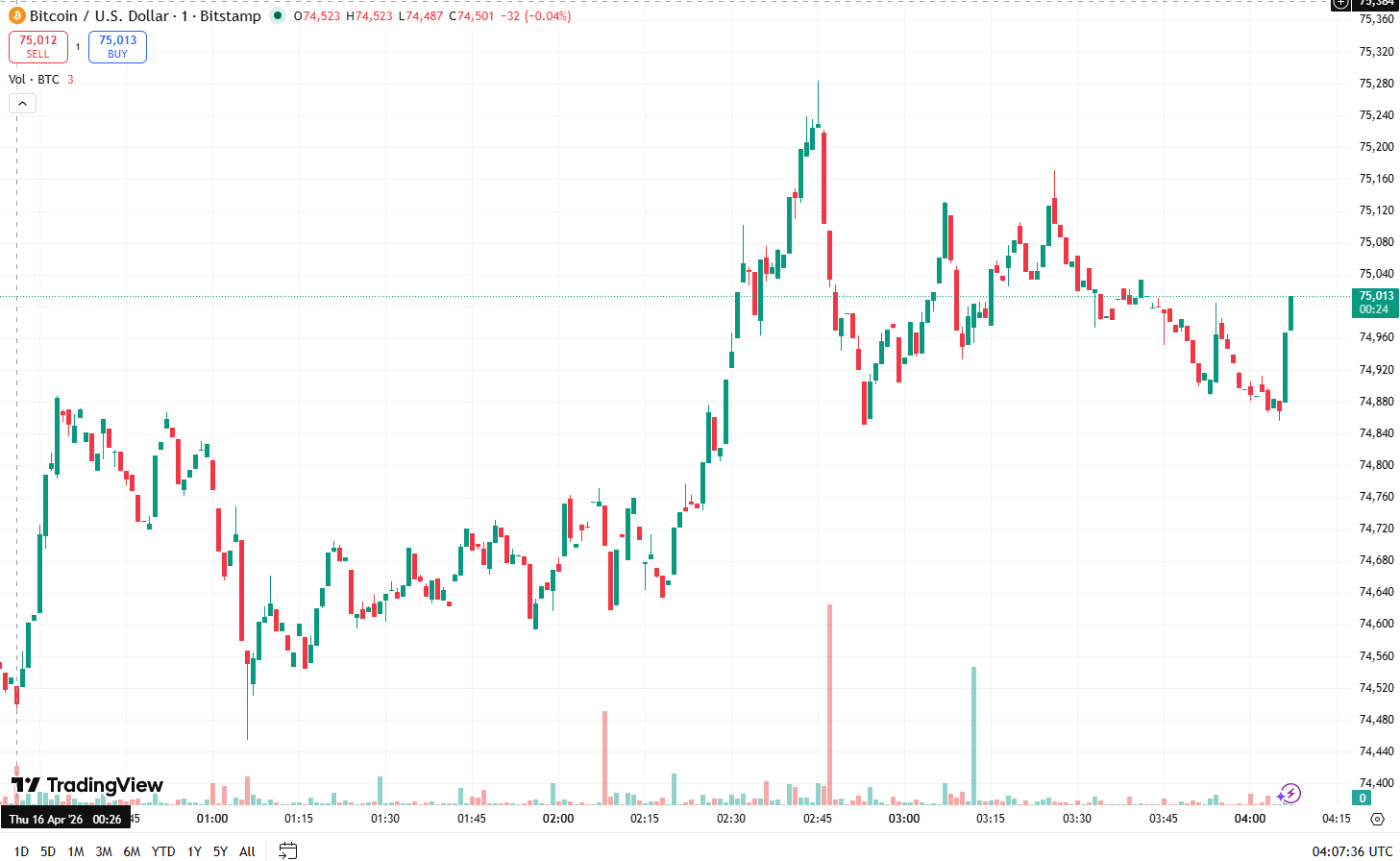
Tech stocks push Nasdaq, S&P 500 to record highs as Bitcoin taps $75K
Trending news
MoreCrypto prices
More





