
Fed Governor Waller Sends Strong Signal: High Inflation Combined with Stagnant Employment, Fed May Remain on Hold for an Extended Period

Huitong Net, April 20 — Speaking at an event in Alabama, the central bank official stated: “High inflation coupled with a weak labor market would pose an extremely tricky situation for policymakers.” Waller added: “If I were to face such a scenario, I would have to balance the risks on both sides of the Fed’s dual mandate in order to determine the appropriate policy path. If inflation risks outweigh labor market risks, it could mean keeping policy rates within the current target range.” This speech comes as, due to an uncertain economic outlook, markets generally expect the Federal Reserve to keep rates unchanged this year.
Federal Reserve Governor Christopher Waller delivered a speech last Friday (April 17), making it clear that the current complex and volatile economic environment is significantly raising the difficulty level of monetary policy decision-making. Policymakers are confronted with potentially persistent inflation shocks, while the labor market, though not creating new jobs, is still exhibiting relative stability overall.
Complex Economic Environment Tests the Fed’s Capability to Balance Dual Mandate
In this context, Waller believes that the Federal Reserve may need to keep its current policy rate unchanged for an extended period until the economic trajectory becomes clearer.
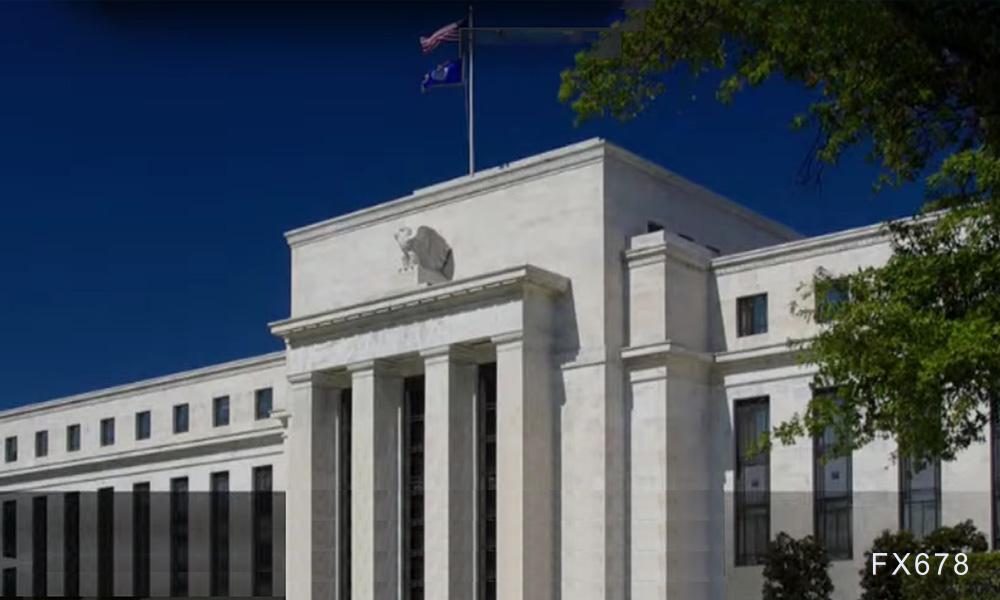
Speaking in Alabama, he said: “High inflation versus a weak labor market would be a very thorny situation for policymakers. If I were faced with such circumstances, I would have to balance the risks to both price stability and full employment under the Fed’s dual mandate in order to determine the appropriate policy path. If inflation risks outweigh labor market risks, that could mean keeping policy rates within the current target range.”
When this speech was delivered,
Shift in Labor Market Assessment, But Concerns Persist
Waller’s assessment of the labor market in this speech marks a clear change from his comments in recent months. Previously, he had voiced concerns about low hiring levels, but last Friday he noted that mounting evidence suggests the “breakeven hiring rate” needed to maintain stable unemployment may now be near zero.
Nevertheless, Waller remains highly vigilant regarding the labor market. He added: “My sense is that employers are cautiously balancing the early difficulties of finding qualified workers with their view of the economic outlook, which leaves them vulnerable to any kind of shock. Should such a shock occur, it could lead to large-scale layoffs.”
It is noteworthy that Waller had previously supported rate cuts, but at the March monetary policy meeting, he voted to keep the federal funds rate target range unchanged at 3.5% to 3.75%.
More Cautious Inflation Risk Assessment, Concern Over Persistence
Regarding the Fed's other core mandate – controlling inflation – Waller’s tone is more cautious and pessimistic than other policymakers and forecasting bodies, believing that the war in Iran may not result in merely temporary shocks to prices.
Waller stated: “Aside from questions over how long these supply interruptions might last, this economic shock is also compounded by import tariffs driving up prices. I believe this series of price shocks could lead to a more persistent rise in inflation, just as we saw with the sequence of shocks during the pandemic period.”
Summary
Christopher Waller’s latest remarks deliver a clear signal that it will be difficult for the Federal Reserve to adjust rates in the short term. Under the dual challenge of potentially prolonged high inflation and lingering labor market vulnerabilities, the Fed’s policymakers are facing a tough policy tradeoff. Market expectations for the Fed to hold rates steady have further strengthened, while the direction of future economic data, the duration of the Iran conflict, and the impact of tariff policies will all become key variables determining the Fed's next moves.
This speech also reflects how the current tense global geopolitical situation is profoundly influencing the monetary policy direction of major economies.
Disclaimer: The content of this article solely reflects the author's opinion and does not represent the platform in any capacity. This article is not intended to serve as a reference for making investment decisions.
You may also like
Forex Today: Week begins with renewed caution amid rising tensions in the Middle East
Trending news
MoreCrypto prices
More





