cryptobriefing.com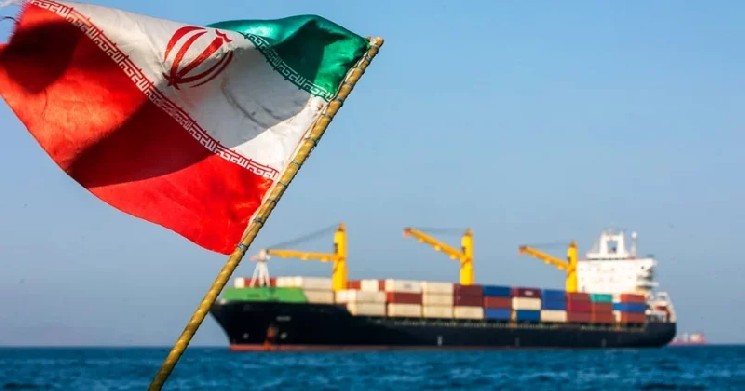
Iran has committed to clearing mines from the Strait of Hormuz within 30 days of a peace deal with the United States, reopening one of the most strategically important waterways on the planet. The agreement, if finalized, would allow vessels from all nations to transit freely, with no fees attached.
Crypto markets didn’t wait for the ink to dry. Bitcoin surged roughly 3% on the news, and the broader digital asset market added approximately $75 billion in value as traders priced in the possibility of a meaningful de-escalation between Washington and Tehran.
What’s actually on the table
The core of the deal is straightforward: Iran removes the mines it deployed in the Strait of Hormuz, and in return, the path opens toward resumed oil exports and nuclear negotiations with the US. The reopening timeline is pegged to 30 days after any peace agreement is reached.
The negotiations also involve a potential 60-day ceasefire extension, which would serve as the broader framework allowing Iran to re-enter international energy markets while talks continue.
Here’s the thing about the Strait of Hormuz crisis: Iran didn’t just block traffic with mines. Since early 2026, it introduced new transit protocols, deployed naval assets, and pushed for the creation of a Persian Gulf Strait Authority, essentially a toll booth for one of the busiest maritime corridors in existence.
Under the terms being discussed, all of that goes away. Free navigation, no tolls, no authority. A return to the status quo that existed before Iran decided to test the limits of its geographic leverage.
Why crypto is reacting
A $75 billion increase in total crypto market value on deal speculation tells you exactly how much geopolitical anxiety was already baked into prices. Traders had been carrying a Strait of Hormuz risk premium for months, and the prospect of resolution gave them a reason to unwind it.
There’s also a more direct connection. Iran launched a Bitcoin-backed insurance scheme for shipping through the Strait in mid-May 2026, a creative workaround for a country that can’t easily access traditional maritime insurance markets due to sanctions.
What this means for investors
The most immediate implication is for energy markets. The Strait of Hormuz being open and de-mined removes a supply disruption risk that has kept oil prices elevated for much of 2026.
But there are real risks here that the initial market euphoria may be glossing over. A 30-day mine-clearing timeline is ambitious. The 60-day ceasefire extension creates a narrow window for complex nuclear negotiations that have historically taken years, not weeks.
If talks collapse, expect a sharp reversal. The same $75 billion that flowed in on optimism can flow out just as fast on disappointment. Traders who entered positions based on the deal speculation should be watching the negotiation timeline closely, particularly any signals about whether the 60-day ceasefire extension actually materializes.