
Bitcoin Mining Cost Chart Claims $47,000 BTC Floor, But Risks Remain

TL;DR
- Crypto Rover says Bitcoin has never bottomed below electrical production cost, currently estimated at $47,000.
- Mining-cost models can help frame downside risk, but they are not fixed price floors.
- Electricity costs, miner efficiency, difficulty adjustments and market liquidity all affect the usefulness of the model.
Bitcoin never bottomed below the electrical cost.
— Crypto Rover (@cryptorover) June 12, 2026
Current electrical cost: $47,000.
Take notes. 📝 pic.twitter.com/8vCu53QVm1
Mining Cost Chart Puts Bitcoin’s Floor Near $47,000
Crypto Rover has shared a Bitcoin mining-cost chart claiming BTC has never bottomed below its estimated electrical production cost, which the post places at $47,000.
The argument is that miner energy cost acts as a long-term support zone because Bitcoin becomes increasingly uneconomic to produce below that level. In the post’s framing, the current $47,000 estimate is presented as a major floor for BTC.
Production-cost models have long been used by some analysts to think about Bitcoin’s downside risk. They can be useful because mining economics are tied to network difficulty, hash rate, hardware efficiency and electricity prices.
Why Mining Cost Is Not A Fixed Price Floor
The risk is that there is no universal Bitcoin production cost. Electricity costs vary dramatically by region, miner scale, energy contract, hardware generation and operating efficiency. A large industrial miner with cheap power may have a very different cost base from a smaller operator buying expensive grid electricity.
Difficulty adjustments also change the economics over time. If inefficient miners shut down after price weakness, the network can rebalance, lowering pressure on remaining miners. That means production cost is dynamic rather than a single immovable line.
Crypto Rover is also an internally high-risk source because his posts often use simplified bullish framing. The $47,000 level is worth noting as a claimed cost model, but it should not be treated as a guaranteed bottom.
What The Level Can Still Tell The Market
The market signal is whether BTC approaches the claimed electrical-cost band and how miners behave if it does. Rising miner stress, falling hash price or increased miner selling would make the cost-floor discussion more relevant.
If Bitcoin stays well above the level, the chart may simply reinforce the idea that miner economics remain supportive. If BTC breaks toward or below it, the model would face a tougher test.
The key point is that mining-cost models can help frame downside risk, but they work best as one input among many. Spot ETF flows, derivatives leverage, macro liquidity and broader crypto risk appetite can all overpower a simplified production-cost line.
This report is based on the attributed X post and should be read as market commentary, not a confirmed price prediction.
That distinction matters for traders using the chart as a risk map. A production-cost estimate can highlight where stress may rise for miners, but it cannot stop forced selling, macro shocks or leverage unwinds. The level is useful context, not a hard market guarantee.
Disclaimer: The content of this article solely reflects the author's opinion and does not represent the platform in any capacity. This article is not intended to serve as a reference for making investment decisions.
You may also like
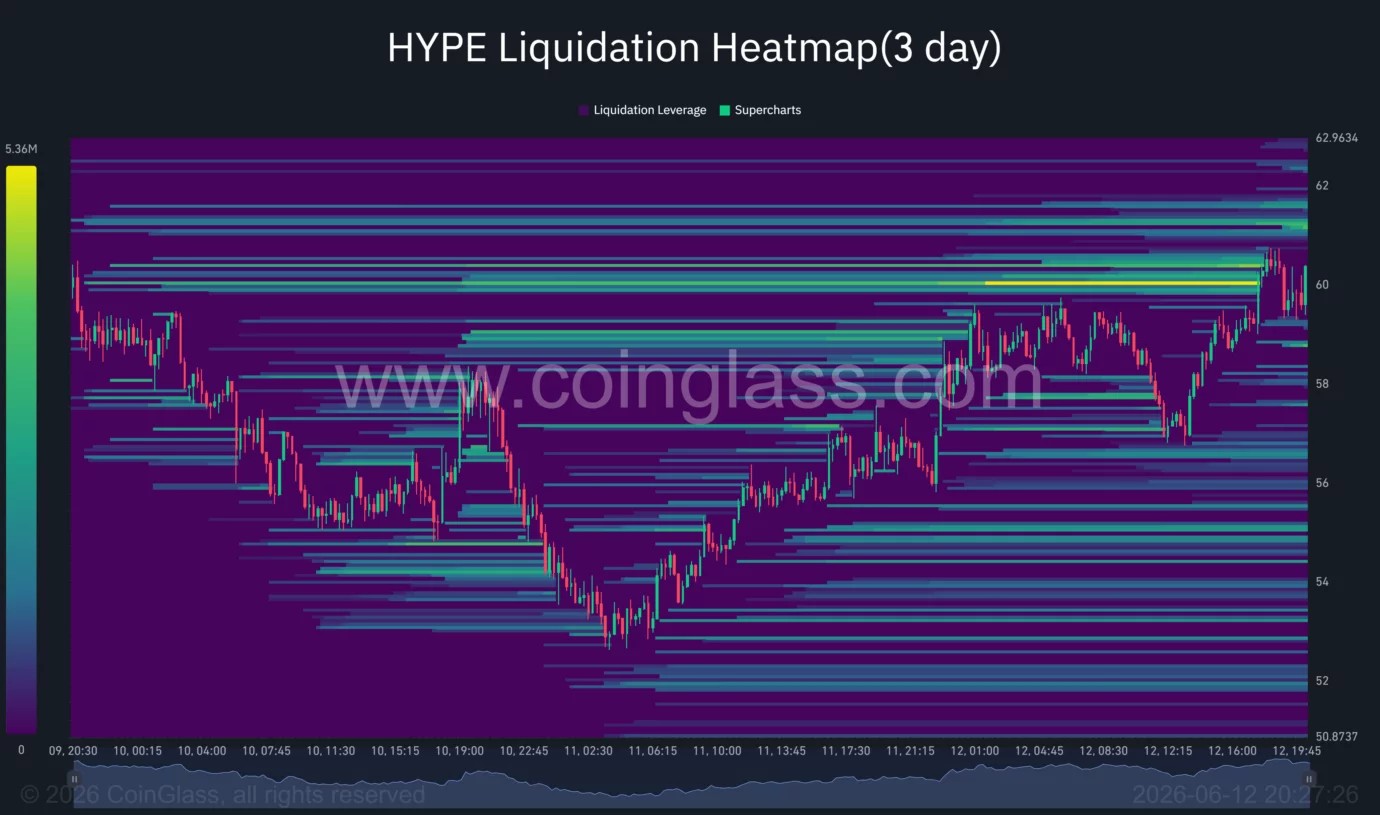
Can Hyperliquid price rally past $75 as SpaceX hype fuels a falling wedge breakout?
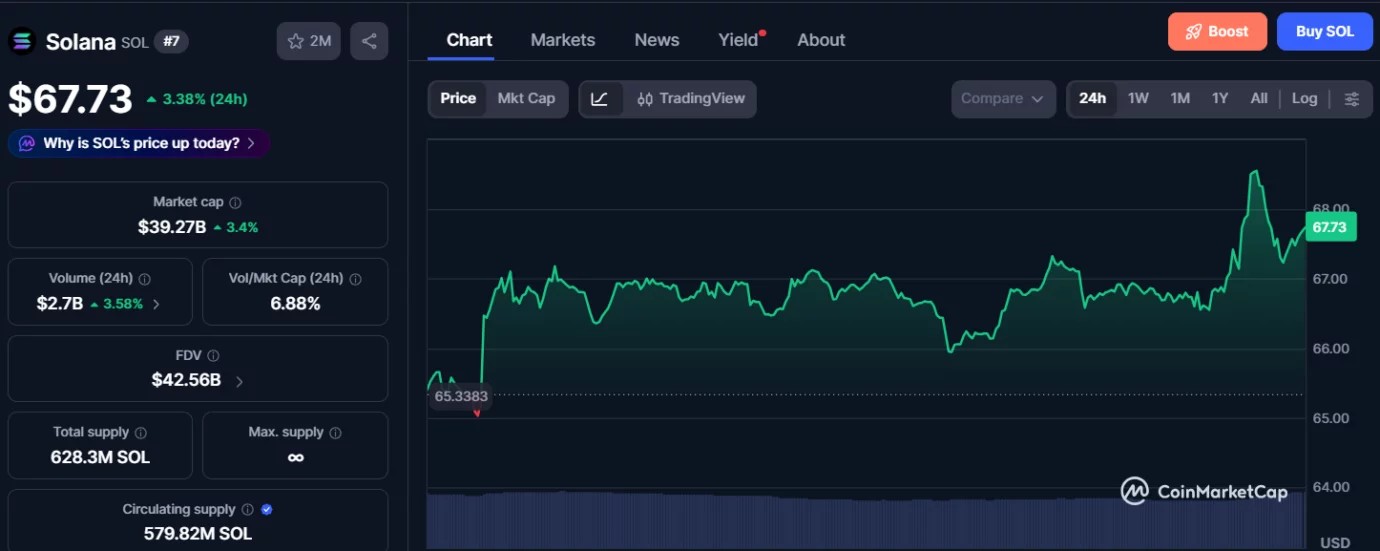
Solana price surges 3% as bulls challenge bears after SPCX token debut
Report: Rug Pulls Dominate Crypto Scams, Accounting for 54% of Threats
Alliance Co-Founder Imran Khan Flags DeFi Liquidity Risks in Kalshi ETH, XRP, SOL Perps
Trending news
MoreCrypto prices
More


