
Fierce Clash of Opinions Surrounds the First Fed Rate Meeting

FX678, June 17—— The market generally expects the Fed will keep rates unchanged at Kevin Warsh’s first FOMC meeting, but experts are significantly split. Neutral voices believe policy will be data-driven and the risks of political interference are overstated; institutions say a hawkish tone may suppress gold in the short term, but structural support for gold remains strong in the long run; pessimistic analysts believe the Fed has lost credibility and is now dominated by the White House; certain brokers, meanwhile, are optimistic that a US-Iran agreement could cool inflation and create room for monetary easing.
With less than 24 hours remaining before new Fed Chair Kevin Warsh announces his first rate decision, markets have fully priced in that existing rates will be maintained.
The real focus of this meeting is not the rate outcome, but Warsh’s policy language, his economic and inflation outlook, and whether the Fed’s independence is weakening. Industry observers remain deeply divided; precious metals may feel short-term pressure from hawkish commentary, but several structural long-term drivers are supporting gold’s upward trend.
Market Neutral Faction: Policy to Be Data-Centric, Political Interference Risks Exaggerated
Kevin Grady, President of Phoenix Futures and Options LLC, said Warsh’s stance will not sharply diverge from his predecessor Powell’s, and monetary policy will be adjusted entirely based on economic data.
Grady stated: “At the start of the year, the market widely bet on cuts, but lately, rebounding inflation and energy prices have fueled rate hike expectations. Blindly following the market’s sentiment is not objective. Warsh will make objective interpretations of all economic data and set policy that's reflective of real conditions.”
He also argued there's no need to overly fear White House intervention in policymaking—Warsh will maintain a neutral and pragmatic judgment, rather than pandering to the president's demands. Pundits who have long called for a recession have been consistently wrong, their credibility is waning, and widespread concern about undue political influence on the Fed isn’t supported by data.
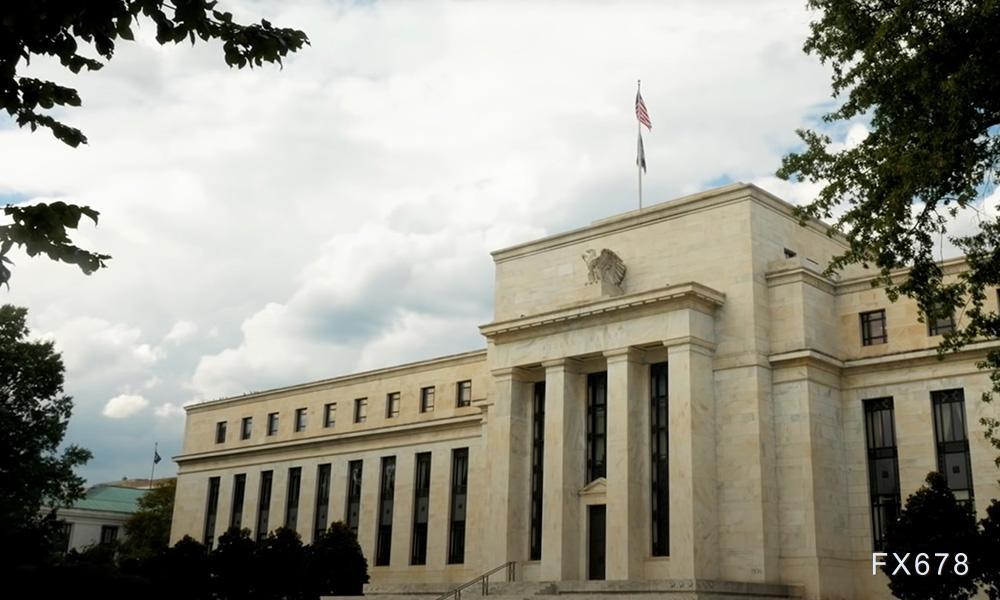
Trading Institutions' Perspective: Hawkish Guidance Can Pressure Gold Short-term, But Long-Term Support Remains
John Murillo, Chief Business Officer at B2BROKER, stated that the real market mover in this meeting will be the forward guidance, particularly whether Warsh signals a continued tightening bias through 2027.
Murillo explained: “If the dot plot and policy language send a hawkish signal, US Treasury yields will rise first, lifting the dollar and applying short-term pressure to gold prices.”
However, he emphasized that short-term corrections will not reverse gold’s long-term trend. Ongoing central bank gold purchases to optimize foreign reserves, safe-haven demand from Iran-related geopolitical tensions, and the persistently high US fiscal deficit—all these structural bullish drivers cannot be erased by a single monetary policy shift. Instead, any short-term drop in prices would attract longer-term capital, with volatility typically passing from Treasuries, to the dollar, then to gold.
Pessimistic Analyst: Fed’s Credibility Lost, White House Holds Policy Power
Darin Newsom, Senior Market Analyst at Barchart, took a completely opposite view, believing the Fed has lost market credibility and that the White House now directs policy.
Newsom said: “The market expects the next rate hike to be delayed until December, meaning there’ll be no tightening before the midterms in November. Warsh has no real decision-making autonomy—many FOMC members share the president’s stance, so even dissenting votes won’t change the ultimate outcome.”
He anticipates that rates will be kept unchanged at this meeting, with little hope for near-term cuts. Even if Warsh repeatedly stresses Fed independence and a focus on inflation and employment, global investors will remain skeptical. This, Newsom argues, is a core driver behind ongoing global central bank gold accumulation.
Commodity Broker: Easing Geopolitics Could Cool Inflation, Paving the Way for Dovish Policy
Daniel Pavilonis, Senior Commodity Broker at StoneX Group, noted that Warsh currently prefers managing market expectations through verbal signaling rather than actual rate cuts and will instead use a mix of tools to indirectly lower market rates.
Pavilonis commented: “A lasting peace deal between the US and Iran would rapidly boost oil supply, causing a sharp drop in energy prices and a significant cooling of inflation. FOMC members previously leaning hawkish may shift their stance as a result.”
He added that oil prices move quickly and easing geopolitical tensions would rapidly relieve energy-driven inflation. He also predicts that before the midterm elections in November, the executive branch may roll out policies favorable to the equity markets, helping keep capital markets buoyant.
Disclaimer: The content of this article solely reflects the author's opinion and does not represent the platform in any capacity. This article is not intended to serve as a reference for making investment decisions.
You may also like
Grayscale Says AAVE Undervalued, Sets $179 One-Year Price Target
Robinhood Reduces Workforce 10% While Pledging to Keep Hiring
Indonesian Rupiah struggles as traders adopt caution ahead of Fed decision
India Gold price today: Gold falls, according to FXStreet data
Trending news
MoreCrypto prices
More


