
Institutions' Outlook for Commodities in the Second Half: Gold Under Pressure, Structural Opportunities for Crude Oil and Copper Markets

FX168 Financial News July 1st — Morgan Stanley has released its latest forecast for the commodities market for the second half of 2026, indicating clear structural differentiation in the market. Suppressed by the Federal Reserve's hawkish policies, the gold bull run is taking a short-term pause, while its geopolitical hedging attribute has failed, transforming gold from a hedging tool to a yield-based asset. Crude oil supply and demand is steadily recovering, with price resilience in the second half of the year expected to outperform the forward curve. The copper market benefits from global industrial recovery, supply constraints, and U.S. tariff policies, providing ample room for upside. The institution remains bullish on gold's long-term bull trend and is particularly optimistic about the phased performance of copper.
Morgan Stanley has just released its latest outlook for the commodities market for the second half of 2026. The firm notes that the Federal Reserve's persistently hawkish monetary policy continues to suppress the pace of gold's rise, pushing the gold bull market into a deep consolidation phase. In contrast, the pace of crude oil supply and demand recovery is clear, and the fundamentals in the copper market keep strengthening, making these the more advantageous allocation categories for the time being. At the same time, the institution has revised its asset positioning for gold, challenging the traditional market view of its hedging value and providing new logic for asset allocation.
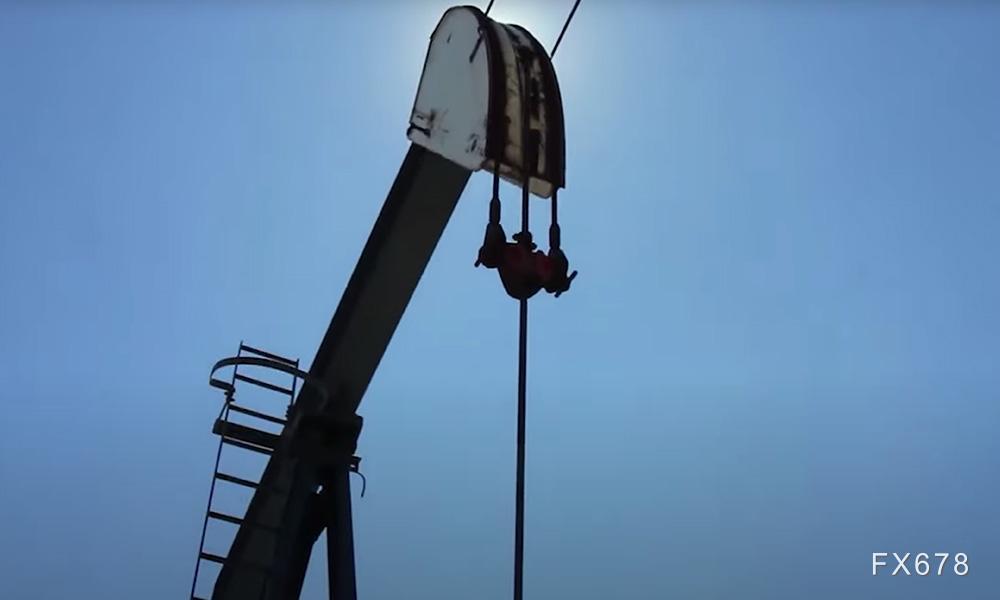
Steady Recovery in Oil Supply and Demand, Defined Price Range for Second Half of the Year
Gregory Shearer, Head of Base and Precious Metals Strategy at Morgan Stanley, stated that the pace of reopening the Strait of Hormuz to navigation is currently a key variable for the oil market. Their calculations show that crude oil flows through the strait in July this year will recover to 68% of pre-conflict levels, with a full restoration to normal capacity by the end of 2026. Summer crude oil supply will see a temporary surge, after which the market enters a period of steady recovery.
According to OECD inventory data, the cumulative global crude supply-demand gap from late February to August is close to 1.6 billion barrels, but the decline in commercial inventories has not met expectations, reflecting a greater-than-expected contraction in market demand, effectively dampening oil's upward price momentum. The institution predicts that in the second half of 2026, the average price of Brent crude will steadily decline—$86 per barrel (UTC+8) in the third quarter, $80 per barrel (UTC+8) in the fourth quarter, and closing the year at about $78 per barrel (UTC+8). Overall, the trend is stronger than the forward curve, with oil prices possibly falling further to $64 per barrel in 2027.
Gold Market Cools, Asset Attribute Reaches Redefinition
Among metal categories, gold is the most suppressed by policy factors. On May 8 (UTC+8), Gregory Shearer noted that the Federal Reserve Chairman Kevin Warsh's hawkish statements, together with the latest FOMC policy tone, completely interrupted gold's structural upward trend. Under the lingering shadow of rate hike expectations, market participation in gold trading has sharply declined, leading gold to enter a volatile consolidation.
On April 9 (UTC+8), Tai Hui, Chief Market Strategist for Asia-Pacific at Morgan Stanley Asset Management, gave a new interpretation of gold's attributes. He stated that during the Iran conflict, gold saw a maximum pullback of 24%, thoroughly confirming the failure of its geopolitical hedging function. In the past thirty years of geopolitical risk events, gold's up and down probabilities were evenly split, leading to extremely unstable hedging outcomes. Additionally, gold suffers from inherent drawbacks: high volatility, zero yield, and position holding costs, making it an unreliable hedging tool.
Comprehensive Copper Market Fundamentals, Making It a Core Asset for Second Half Allocation
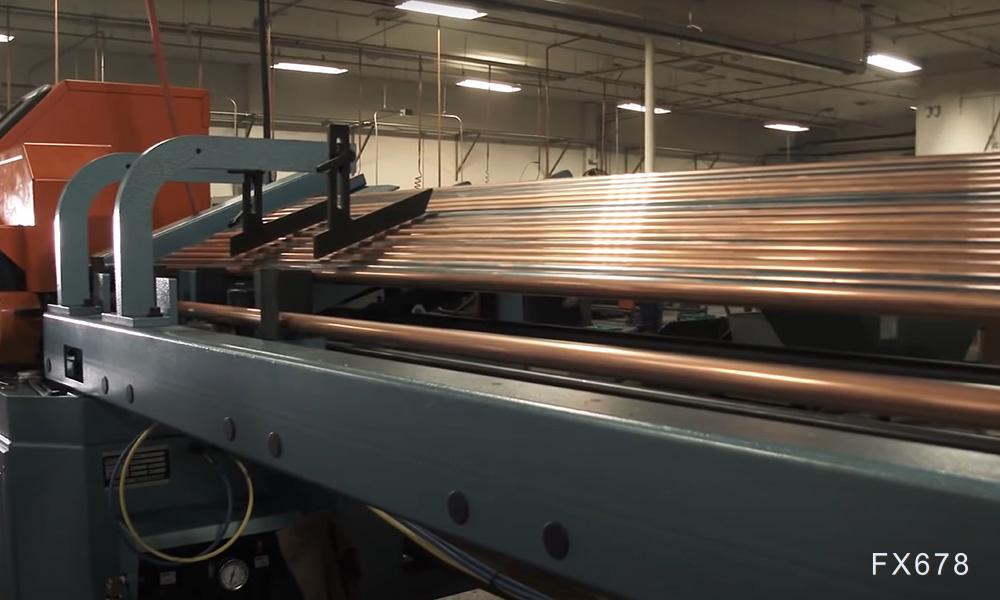
Against the backdrop of gold's pressured market, copper has formed a distinct structural rally, becoming a focus for institutional allocation.
Gregory Shearer pointed out that with the global industrial climate warming up and expectations of China's economic recovery heating up in the second half, copper consumption demand is set for continuous growth. Meanwhile, the supply side remains constrained as global copper mine capacity additions lag, persisting the supply-demand mismatch.
Additionally, the U.S. refined copper tariff review has become the most positive variable for copper prices. At present, the competition over copper resources between China and the U.S. is intensifying, and the supply-demand balance in markets outside the U.S. remains extremely tight. The institution predicts the U.S. will maintain a flexible tariff policy, continue resource competition, and push copper prices steadily upward,
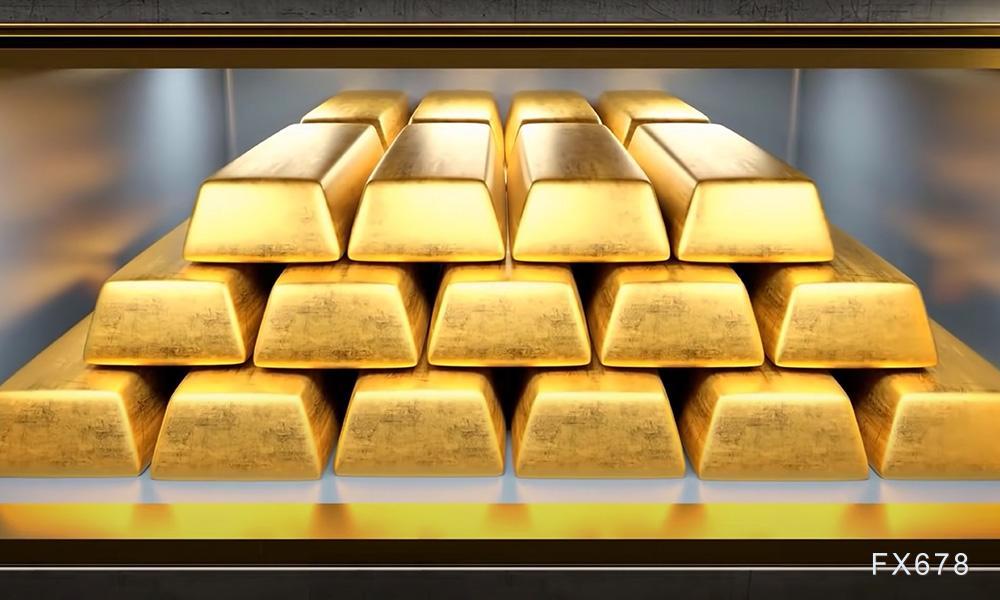
Long-term Value of Gold Remains, Bullish Trend Not Over
Despite short-term market pressure and weakened hedging attributes, Morgan Stanley maintains its bullish stance on gold's long-term trend. The firm stresses that gold remains a high-quality asset, with the key logic rooted in continued central bank purchases worldwide, monetary overexpansion, and debt growth driving demand for value preservation, while limited mining supply continues to support gold prices.
Previous reports from the institution noted that gold prices have risen more than 170% over five years, with geopolitical differentiation and currency depreciation as core drivers. The short-term adjustment is viewed as a temporary break, while the long-term bull market foundation remains solid.
Summary
Overall, there is pronounced structural differentiation in the commodities market in the second half of 2026. Affected by the Federal Reserve's hawkish policies, gold faces short-term pressure, its hedging attribute weakens, and it returns to being classified as a yield asset. Crude oil supply and demand is steadily recovering, and price movement is better than market expectations. Tensions in copper's supply-demand dynamic are combined with policy tailwinds, offering ample room for growth, making copper the most cost-effective commodity for the second half of the year.
Disclaimer: The content of this article solely reflects the author's opinion and does not represent the platform in any capacity. This article is not intended to serve as a reference for making investment decisions.
You may also like
Euro: Limited upside as Dollar stays supported – Commerzbank
Japan’s Mimura says past Japanese Yen intervention demonstrated effect
Bitcoin faces $58K test as U.S. demand cracks – What’s next for BTC?
British Pound: Upside capped against US Dollar – UOB
Trending news
MoreCrypto prices
More


