
Chip stocks rebound and drive Asia-Pacific markets higher; Japanese and Korean stock markets both rise over 2%, Samsung Electronics up 3%; oil prices fall, gold prices edge up

Asia-Pacific stock markets rebounded for the first time in four days on Tuesday, with the MSCI Asia-Pacific Index rising 1.7%. Chip stocks led the gains, as Samsung Electronics rose 3% and the Nikkei 225 Index climbed 2.2%. Nasdaq 100 futures were up 0.5%. The drop in oil prices has eased inflationary pressures, but the real test for markets comes with the start of tech giant earnings season this week—Tesla and Alphabet will report first. Whether AI investments translate into strong performance will determine if this rally can be sustained.
Chip stocks made a strong rebound as Asia-Pacific markets regained upward momentum on Tuesday after four consecutive days of declines. However, with the earnings season for tech giants approaching, the biggest question for the market remains whether these results can extend the AI-driven rally.
Asia-Pacific stocks rose across the board on Tuesday, with the MSCI Asia Pacific Index climbing 1.7%, ending the previous four-day losing streak. The chip sector was the key driver behind the rebound—Samsung Electronics surged 3%, while TSMC also strengthened, pushing both the Kospi and Taiwan's benchmark indices up more than 2.5%. As Japanese markets were closed on Monday, the Nikkei 225 caught up with a 2.2% rise on Tuesday. Meanwhile, U.S. stock futures also rebounded from early lows, with Nasdaq 100 futures briefly up 0.5%.
A pullback in oil prices further improved market sentiment. Brent crude fell 0.9% to around $88.46 per barrel, easing inflation concerns that had weighed on the bond market the previous day due to high oil prices.


Earnings Season Kicks Off: AI Narrative Faces a Test
Behind the market rebound, investors are now focusing on the U.S. tech giants' earnings season starting this week. Tesla and Alphabet will lead by reporting their results on Wednesday, kicking off the earnings releases for large technology companies; Microsoft, Meta, Apple, and Amazon will each announce their results in the following week.
The core market concern right now is whether these companies can prove that their massive investments in AI are delivering real value through their actual earnings.
Ikuo Mitsui, fund manager at Aizawa Securities, commented: "The market has already experienced a significant correction, but at the same time, companies' earnings have shown relative resilience, performing stronger than expected."
Strategists at BlackRock Investment Institute, led by Jean Boivin, wrote in their latest report: "The AI investment boom—as a key driver of growth—and our preference for AI infrastructure remain intact amid recent volatility." They also noted, "The global economy is now far less dependent on oil than in previous energy shock periods, making it more resilient to rising oil prices."
Oil Prices Retreat, But Risks Remain
Though oil prices declined on Tuesday, the situation in the Middle East continues to pose a potential risk to the markets. Houthi rebels are threatening to disrupt exports from the Red Sea, and markets remain watchful over whether Saudi Arabian exports will be affected.

Last week, oil prices spiked, with WTI crude settling at its highest level since mid-June. The surge in energy costs sparked inflation fears that pressured the bond market, and the yield on the U.S. 10-year Treasury remains near 4.59%.
BlackRock strategists believe there is currently no evidence to suggest that the escalation of tensions in the Middle East would deal a strong enough blow to economic growth to alter market risk appetites.
Trump Imposes 50% Tariff on Canada, Trade Tensions Flare Again
According to CCTV News, the White House announced on July 20 local time that it will impose an additional 50% ad valorem tariff on certain Canadian products, citing Canada’s “discriminatory measures” against the U.S. in the auto and auto parts trade. The new tariffs will take effect at 00:01 EST on August 19, and will be levied on top of existing tariffs, taxes, and other fees.
According to Bloomberg, if Trump ultimately implements this action, it will be one of the most severe trade measures taken against America’s second-largest trading partner. The Canadian dollar reacted relatively steadily, with its exchange rate remaining mostly unchanged.
Gold Slightly Rises; Dollar Index Holds Steady
Gold rose by 0.4%, quoted at around $4,024 per ounce.

The U.S. dollar index was little changed. The euro stood at $1.1414, the Japanese yen at 162.49 to the dollar, and the offshore yuan at 6.7649 to the dollar.

Disclaimer: The content of this article solely reflects the author's opinion and does not represent the platform in any capacity. This article is not intended to serve as a reference for making investment decisions.
You may also like
Public equities take 46% of RWA perps as traders avoid newer tokens — Here’s why!
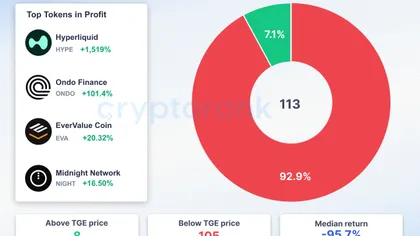
Should You Sell Airdrops at TGE or Hold? — Data From 8 Major Airdrops Has a Clear Answer

Harmony Price Prediction 2026, 2027-2030: ONE Token Outlook and Future Targets

After DeXe’s 85% Price Crash, Is Injective Next? DeFi Liquidity Rotation Accelerates

Crypto prices
More


