
Bitcoin Chain Split Emerges as BIP-110 Nodes Reject Blocks

- Bitcoin chain split begins after BIP-110 nodes reject a non-signaling block.
- BIP-110 had only 2.53% miner support before the chain divided.
- The minority chain trails Bitcoin’s main network by several blocks.
Bitcoin has now split into competing branches after BIP-110 nodes rejected a main-chain block that lacked the required signalling for the proposal. The minority branch quickly fell behind the main network, highlighting the gap between BIP-110’s enforcement rules and its limited miner support.
Bitcoin Chain Split Starts at Block 961,632
Bitcoin has now experienced the Bitcoin chain split that critics of BIP-110 warned could emerge without meaningful miner support. At block 961,632, BIP-110 nodes rejected a block from AntPool after it failed to signal support for the proposal.
The main Bitcoin network accepted the AntPool block and continued producing blocks. BIP-110 nodes instead followed an alternative block mined through Ocean by Roughnecks.
The split created two competing branches from the same block height. By 6:00 p.m. ET, Bitcoin’s main chain had reached block 961,640. The BIP-110 branch stood at block 961,633 after producing only its second block.
The Bitcoin chain split therefore left the BIP-110 branch seven blocks behind the main network. The difference reflects the limited mining power supporting the alternative chain.
BIP-110 Faces Limited Miner Support After Split
BIP-110 requires 55% miner signalling across 2,016 blocks before its proposed rules can be locked in. That threshold requires support from 1,109 blocks during the signaling period.
However, the proposal recorded only 51 signaling blocks during the previous period. That represented 2.53% of the total, leaving support far below the required threshold.
The Bitcoin chain split followed when BIP-110 nodes began enforcing their signaling requirement. Nodes using the rules could no longer accept blocks that failed to carry the required signal.
BIP-110 seeks to restrict several methods of storing non-financial data on Bitcoin. Its proposed limits include a 256-byte cap for certain data fields and an 83-byte limit for OP_RETURN outputs.
The forked chain must reach block 963,648 for the restrictions to lock in. If that occurs, the rules would begin at block 965,664 and remain active for 52,416 blocks.
The current Bitcoin chain split does not create a separate traded asset. Its continuation instead depends on miners extending the BIP-110 branch and infrastructure providers recognizing it.
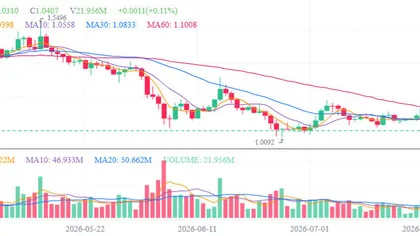
Bitcoin traded near $65,000 when the split emerged, with the supplied data showing no obvious immediate price reaction.
Disclaimer: The content of this article solely reflects the author's opinion and does not represent the platform in any capacity. This article is not intended to serve as a reference for making investment decisions.
You may also like
Grayscale’s XRP Trust Bleeds $180M: Redemptions Force Sales
Infratil CEO Boyes outlines priorities, longer-term outlook in NZX Opening Bell interview
Infratil portfolio firms Contact Energy, CDC explore Taranaki data center project
JP Morgan Mentions XRP In Critical Warning Message
Crypto prices
More


