
Bitcoin Leverage Liquidation: Unseen Dangers Amid Crypto Market Fluctuations
- Q3 2025 saw $19B in Bitcoin leveraged trading liquidations, driven by cascading ADL mechanisms on major exchanges. - Overleveraged retail investors and DATCos amplified volatility through forced selling, exposing systemic fragility in crypto markets. - Behavioral biases like herd mentality and overconfidence worsened instability, with social media fueling impulsive trading decisions. - Institutions adopted risk-mitigation strategies while regulators tightened oversight, but gaps persist in monitoring opa
Crypto Market Turbulence: Lessons from Q3 2025’s Massive Liquidation
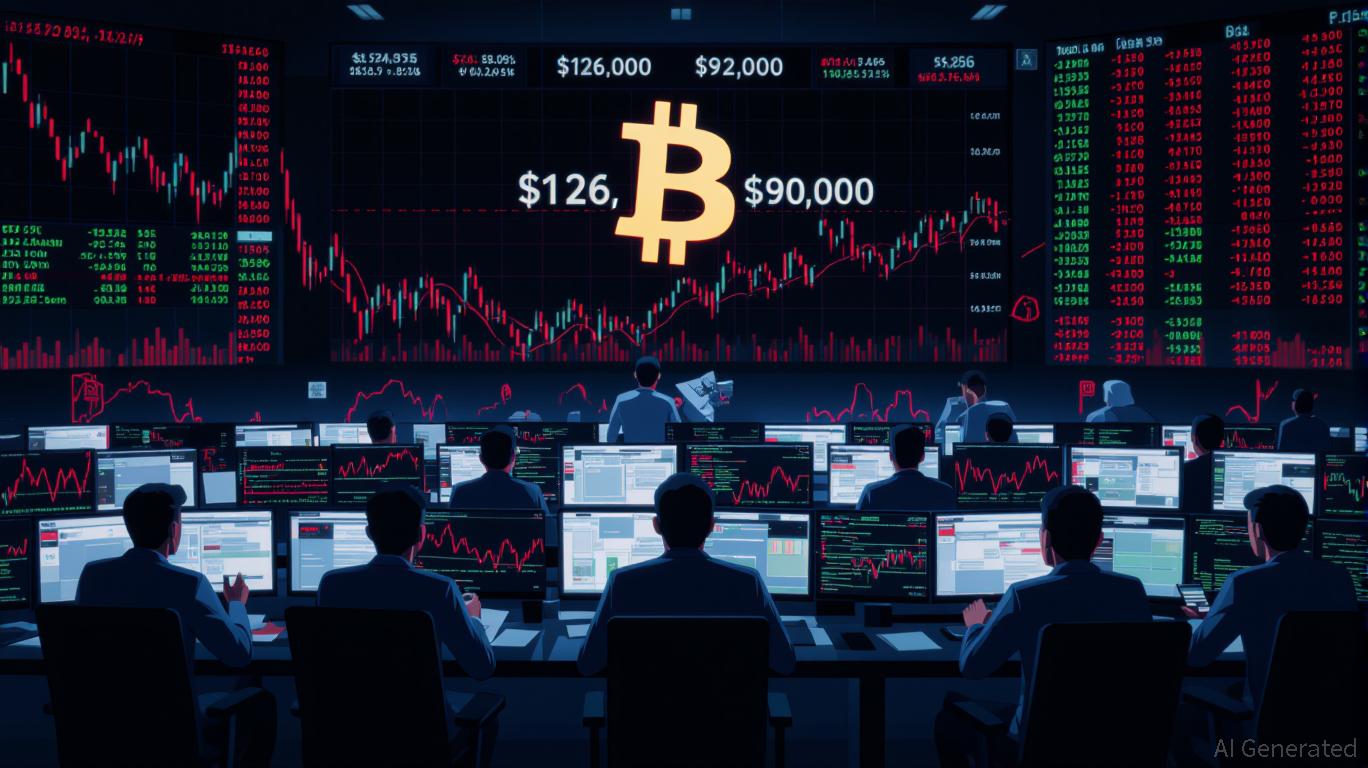
The inherent unpredictability of the cryptocurrency sector has always presented both opportunities and dangers. In the third quarter of 2025, this volatility became glaringly apparent when a single day of leveraged Bitcoin trading resulted in $19 billion in liquidations. This unprecedented event, fueled by automatic deleveraging (ADL) on platforms such as Hyperliquid and Binance, highlighted how excessive leverage among retail traders can intensify market instability and pose risks to the broader financial landscape.
Understanding Systemic Risk in Leveraged Crypto Trading
The dramatic events of October 10 were not a random occurrence but rather a reflection of deeper weaknesses within the system. As Bitcoin’s value fluctuated sharply, ADL protocols—designed to shield exchanges from insolvency—set off a chain reaction of forced liquidations. While these mechanisms operated as intended, they exposed the vulnerability of a market increasingly dependent on high-risk leverage by individual investors.
According to Galaxy Research, crypto-backed lending soared to $73.59 billion in Q3 2025, with decentralized finance (DeFi) platforms accounting for $41 billion of that total. This surge in borrowing, combined with limited liquidity in fragmented markets, created a dangerous cycle: falling prices triggered liquidations, which in turn drove prices even lower, prompting further liquidations.
The October incident also underscored the impact of overleveraged digital asset treasury companies (DATCos). These entities injected an additional $42.7 billion into the crypto ecosystem but faced severe threats when asset prices dropped. Often lacking transparency in their risk management, these firms inadvertently contributed to heightened volatility and intensified the ADL cascade.
The Role of Human Behavior in Market Volatility
Investor psychology plays a significant role in amplifying systemic risks. Behavioral finance studies from 2025 highlight three primary factors: herd behavior, overconfidence, and emotion-driven decisions. Social platforms like Reddit and X (formerly Twitter) serve as echo chambers, where hype and the fear of missing out (FOMO) spur impulsive trading. The rapid rise and fall of tokens such as PENGU illustrate how social sentiment can overshadow fundamental analysis.
Empirical evidence supports these trends. Research in Indonesia’s crypto market revealed that collective behavior distorts asset values, while broader studies linked frequent trading to diminished returns for individual investors. Younger male traders, in particular, tend to display excessive confidence, often using leverage of 10x or 20x without adequate risk controls. Cognitive biases like recency effect and loss aversion further impair judgment, leading to poor trading decisions such as holding onto losing positions or panic selling during downturns.
Institutional Approaches to Risk Management
Unlike retail participants, institutional investors in Q3 2025 implemented robust risk management strategies. Financial institutions and asset managers focused on diversification, hedging through derivatives, and steering clear of highly leveraged bets. During the October crisis, institutions increased their holdings in Bitcoin exchange-traded products (ETPs), while individual traders faced forced liquidations. Enhanced security measures, including multi-party computation (MPC) for safeguarding private keys, became standard to mitigate cyber threats.
Regulators also began to address these systemic issues. The U.S. Securities and Exchange Commission (SEC) imposed a 2x leverage cap on ETFs, and the Commodity Futures Trading Commission (CFTC) scrutinized stablecoin reserves, signaling a move toward stricter oversight. Nevertheless, significant gaps remain, especially regarding the monitoring of opaque crypto lending and DATCo operations.
Looking Forward: Stability and the Path Ahead
The October 2025 liquidation crisis stands as a stark reminder of the dangers posed by leveraged retail trading. Although automated safeguards prevented a total market collapse, the incident demonstrated how quickly instability can spread, even among the most liquid digital assets. The key takeaway for investors is that leverage can amplify both profits and losses, and emotionally driven decisions often end in significant setbacks.
In the future, the industry may gravitate toward more moderate leverage and increased adoption of regulated investment products such as tokenized assets and stablecoins. However, unless behavioral biases are addressed and institutional-grade protections are extended to retail investors, systemic vulnerabilities will remain. As one industry expert observed, “The future of crypto depends not only on technological advancements but also on the mindset of its participants.” (Source)
Disclaimer: The content of this article solely reflects the author's opinion and does not represent the platform in any capacity. This article is not intended to serve as a reference for making investment decisions.
You may also like
Short the dip and buy the rip? What FOMC outcomes reveal about Bitcoin price action

Bitcoin Leverage Liquidation: Does It Pose a Systemic Threat to Retail Crypto Investors?
- October 2025's Bitcoin crash triggered $19B in leveraged liquidations, exposing crypto derivatives' fragility amid extreme retail leverage and thin liquidity. - High leverage (up to 1,001:1) and perpetual futures dominated by platforms like Hyperliquid amplified volatility, creating self-reinforcing downward spirals. - Behavioral biases (FOMO, overconfidence) and social media echo chambers drove irrational leveraged bets, while regulators paused risky ETFs and warned of systemic risks. - The crisis highl
LUNA up 46.13% in 24 hours as network improvements increase investor optimism
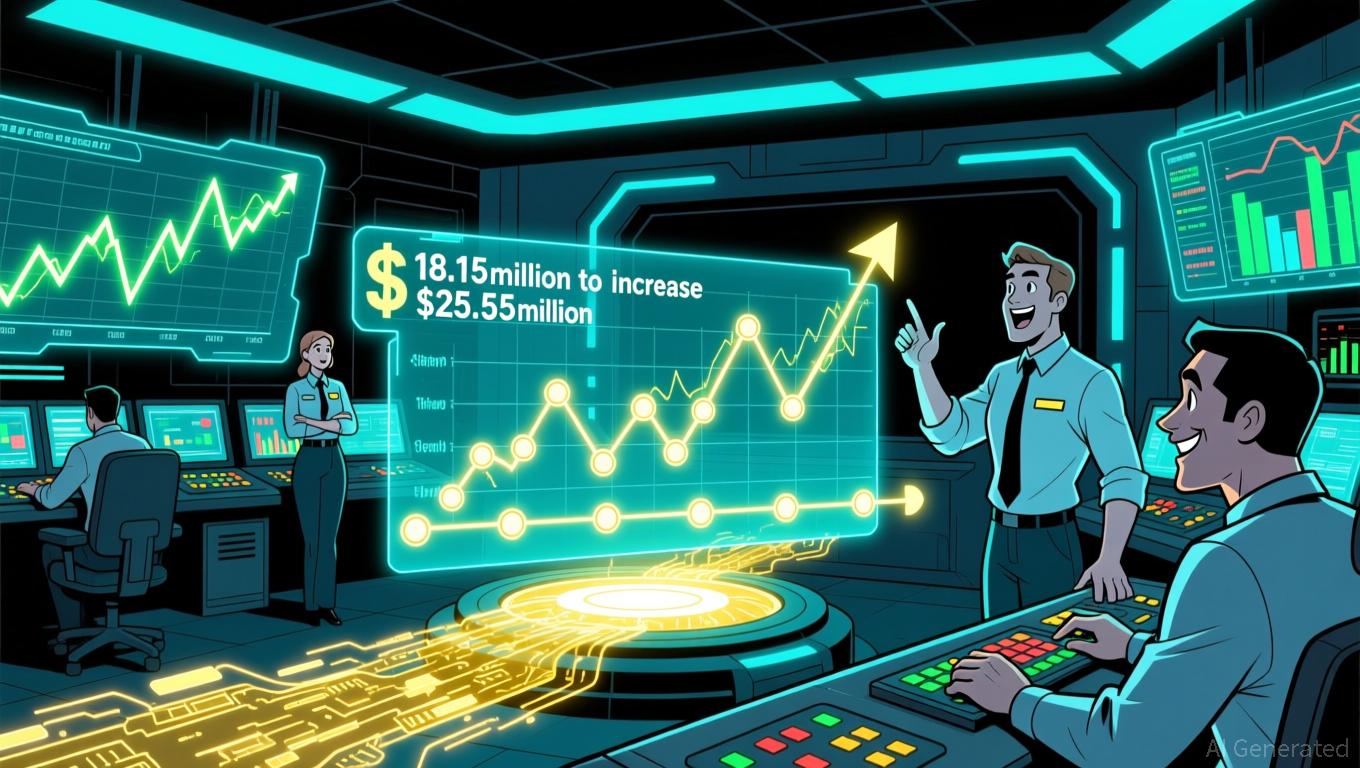
- LUNA surged 46.13% in 24 hours, driven by a pending network upgrade and rising investor confidence. - Futures open interest for LUNC rose to $25.55M, signaling new capital inflows and bullish momentum. - The terrad v3.6.1 upgrade, set for Dec 18, aims to enhance security and resolve legacy contract issues after successful testnet trials. - Technical indicators and analyst projections suggest continued upward momentum, targeting $0.000098 weekly if the 50-week EMA is sustained.

LUNA up 24.4% in 24 hours: Surge Fueled by Upgrades and Increased Inflows
- LUNA surged 24.4% in 24 hours on Dec 10, 2025, driven by rising on-chain activity, capital inflows, and anticipation of a major network upgrade. - The terrad v3.6.1 upgrade, set for Dec 18, aims to resolve legacy contract issues and enhance security, with successful testnet trials and rollback options in place. - Futures open interest rose to $25.55M, while technical indicators suggest continued bullish momentum, targeting $0.000098 resistance if the 50-week EMA is sustained. - Legal proceedings against
Trending news
MoreCrypto prices
More





