
Building a Steady Income Stream: A Practical Approach to Dividend Stock Investing

How to Build a Reliable "Set It and Forget It" Dividend Portfolio
When investors talk about "set it and forget it," they’re describing an investment that generates steady returns without requiring constant attention. The ideal dividend stock fits this description: it provides consistent income year after year, freeing you from daily monitoring. However, many people make the mistake of simply chasing the highest dividend yields. As experts like Dan Lefkovitz from Morningstar caution, the most attractive yields can often be misleading. Extremely high yields may indicate underlying risks, such as an unsustainable payout. In other words, a tempting dividend could be a warning sign rather than a guarantee of stability.
Why a Strong Business Foundation Matters
For dependable passive income, the key is to invest in companies with enduring competitive advantages—what’s often called an "economic moat." This means the business has something unique, such as a powerful brand, exclusive products, or a dominant market position. According to Morningstar’s David Harrell, while a moat doesn’t automatically ensure dividends, there’s a strong link between companies with wide moats and the reliability of their payouts. Firms with these advantages are more likely to generate the consistent cash flow needed to maintain and grow dividends, regardless of market conditions.
The best "set it and forget it" stocks share two main traits: a long record of stable or rising dividends, and a business model that produces reliable cash flow. Companies like Medtronic and Blackstone, which are featured on Morningstar’s top dividend stock lists, exemplify these qualities. They don’t just offer attractive yields; they have a history of returning significant free cash flow to shareholders, backed by robust business models. Ultimately, you’re not just buying a dividend—you’re investing in a company built to reward you for the long term.
What Makes a Dividend Safe and Sustainable?
Looking beyond the headline yield, the real test of a dividend’s reliability is the strength of the underlying business. There are three essential factors to consider:
- Earnings Coverage: The dividend should be comfortably supported by the company’s core profits. A high yield is meaningless if the business can’t afford it. For example, Ares Capital continues to generate enough core earnings per share to cover its dividend, providing a safety cushion against downturns.
- Predictable Cash Flow: Consistency is crucial. Companies with regulated assets or long-term contracts, like Enbridge, offer stability. Their diversified revenue streams and inflation-protected earnings make their dividends more reliable, similar to receiving rent from a long-term tenant.
- Management’s Commitment: A clear policy to return capital to shareholders signals long-term dedication. Medtronic, for instance, aims to distribute at least half of its annual free cash flow, often exceeding that target. This shows that shareholder returns are a core part of their strategy, not an afterthought.
In summary, a trustworthy dividend comes from a business that consistently earns more than it pays out, generates cash flow steadily, and is led by management committed to rewarding shareholders. This is the foundation of a true "set it and forget it" income strategy.
Examples of Reliable Dividend Stocks
Let’s look at some companies that embody these principles:
- Ares Capital (ARCC): This business development company offers a forward yield of 10.1%. More importantly, it has a 16-year track record of stable or growing dividends, all backed by strong earnings and disciplined risk management. Its low loan loss rates help protect both capital and cash flow, making it a solid choice for long-term income investors.
- Firm Capital Mortgage Investment Corporation (FC): Specializing in short-term residential and commercial real estate loans, this lender maintains a conservative approach and a diversified portfolio. Its recurring lending fees and stable interest income support a long history of uninterrupted monthly dividends, offering a steady income stream similar to a reliable rental property.
- AT&T (T): As a leading telecommunications company, AT&T is known for its stability and low volatility, with a five-year monthly beta of just 0.61. While its current yield of 3.98% may be lower than some alternatives, it’s supported by a massive, cash-generating business. AT&T’s entrenched market position makes it a dependable anchor for income-focused portfolios.
Each of these companies takes a different path to the same goal: providing a sustainable, long-term income stream from a solid business foundation.
How to Build Your Own Income Portfolio
Ready to construct your portfolio? Here’s a practical checklist to guide you:
- Start with a Core Holding: For broad diversification at a low cost, consider a total stock market ETF like Vanguard Total Stock Market ETF (VTI). This fund gives you exposure to thousands of U.S. companies, spreading risk across sectors and market caps.
- Focus on Quality Over Yield: When adding individual dividend stocks, prioritize companies with strong business models and sustainable payouts. According to Morningstar, the best dividend stocks aren’t always those with the highest yields. Look for firms with economic moats and buy when they’re undervalued. For example, Medtronic’s forward yield of 2.76% may be more attractive than a riskier high-yield stock if it’s trading below fair value.
- Diversify for Safety: Don’t concentrate your investments in a single stock, sector, or asset class. Combine your core ETF with a handful of carefully chosen dividend stocks. This approach balances broad market stability with targeted income opportunities, reducing overall risk. Even a steady performer like AT&T can serve as a reliable anchor in a diversified portfolio.
By blending these elements, you create a resilient portfolio designed to deliver income with minimal maintenance.
Understanding the Risks: What Could Impact Your Income?
While the "set it and forget it" approach is appealing, it’s important to recognize that no income stream is completely immune to change. Here are the main factors to monitor:
- Core Earnings and Cash Flow: The most critical indicator of dividend safety is the company’s ability to generate enough profit to cover payouts. For high-yield stocks like Ares Capital, ongoing earnings coverage is essential. If earnings decline or loan losses rise, the dividend could be at risk.
- Interest Rate Movements: Changes in interest rates can have a significant impact, especially for lenders. Rising rates may increase income from new loans but also raise borrowing costs. Higher rates can also make bonds more attractive, potentially reducing demand for dividend stocks. Conversely, falling rates can lower costs but may compress yields.
- Industry-Specific Challenges: Each sector faces unique risks. For example, AT&T must adapt to technological changes and shifts away from traditional services, while companies like Enbridge face regulatory and policy risks related to energy transition and climate change. These long-term trends can affect the predictability of future cash flows.
In short, a dependable income portfolio requires ongoing awareness of both company fundamentals and broader market forces. By staying alert to changes in earnings, interest rates, and industry dynamics, you can help ensure your income stream remains steady for years to come.
Disclaimer: The content of this article solely reflects the author's opinion and does not represent the platform in any capacity. This article is not intended to serve as a reference for making investment decisions.
You may also like
Fulton Financial (FULT) Stock Trades Down, Here Is Why

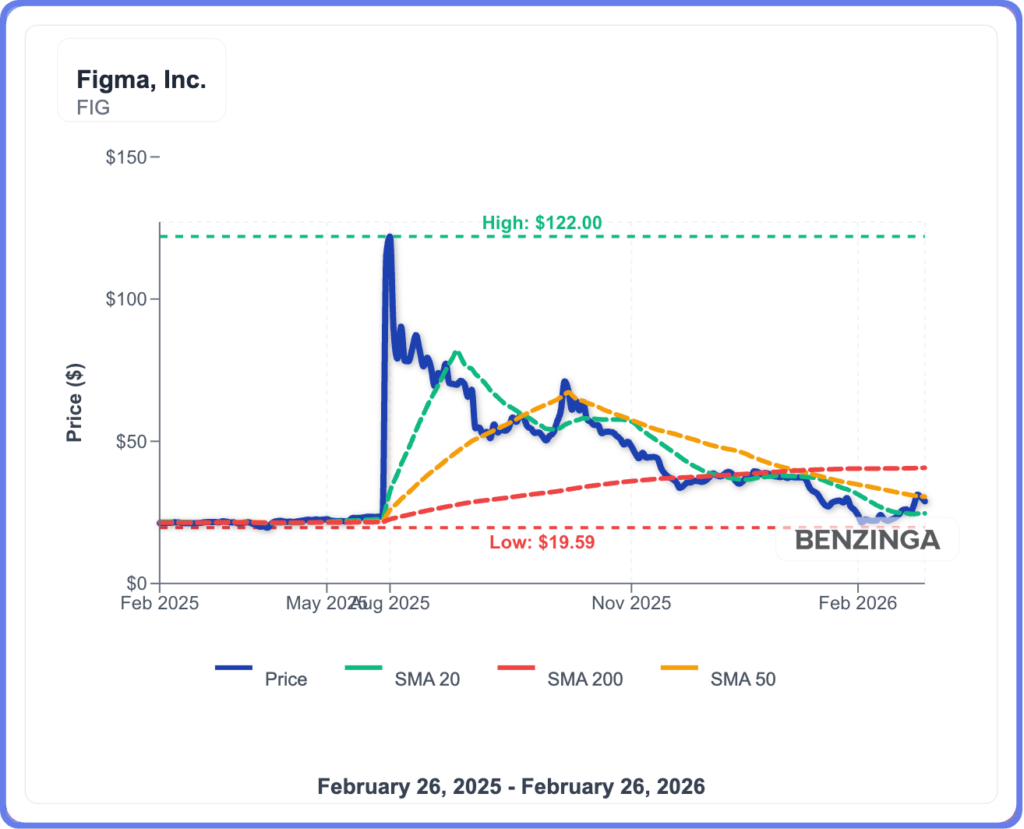
Figma Stock Slides On AI Competition Amid Friday Market Rout
The Trend Is Your Friend: 7 Charts Most Investors Are Missing
The Surplus of Oil That Was Expected but Didn’t Occur
Trending news
MoreCrypto prices
More





