
AI shakeup threatens markets as US employment figures await release

AI's Influence Keeps Wall Street on Alert
By Lewis Krauskopf
NEW YORK, Feb 27 (Reuters) – The potential for artificial intelligence to reshape industries continues to keep U.S. markets cautious, as investors await further clarity on how this rapidly evolving technology will affect the broader economy.
Key Economic Events Ahead
Next week’s economic calendar is led by the monthly U.S. jobs report, while Broadcom, a major player in the semiconductor sector, is set to release its quarterly earnings, marking one of the final updates for the fourth-quarter reporting season.
Market Volatility Driven by AI Concerns
In recent weeks, investor attention has been dominated by the disruptive possibilities of AI, sparking volatility in sectors like software, wealth management, and real estate services as worries mount over potential business transformations.
“There’s an ongoing debate about which companies might lose out and which will thrive by leveraging AI, rather than being replaced by it,” observed Kristina Hooper, chief market strategist at Man Group. “At this point, there are few clear answers, so uncertainty is likely to persist.”
Stocks in areas such as software remain highly reactive to AI-related news. For example, Nvidia, a key AI company, saw its shares drop more than 5% on Thursday following its much-anticipated earnings report, dragging down the broader tech sector. Investors are questioning whether Nvidia’s large-scale customers will see enough returns to justify their heavy investments in data centers and infrastructure.
Broader Market Trends
Despite challenges in technology, gains in sectors like industrials and consumer staples have helped support major U.S. indexes. As of Thursday, the S&P 500 had risen 0.9% in 2026.
“The U.S. stock market is in a late-cycle phase, searching for winners and losers amid this technological disruption, and is largely holding steady,” said John Velis, Americas macro strategist at BNY.
Will February’s Jobs Data Confirm January’s Strength?
The February jobs report, due March 6, is projected to show an increase of 60,000 positions, according to a Reuters survey. This follows January’s unexpectedly strong report, which saw 130,000 new jobs and a drop in unemployment to 4.3%.
While January’s numbers eased concerns about a weakening labor market, “the worry is that January was an outlier,” said Paul Nolte, senior wealth adviser and market strategist at Murphy & Sylvest Wealth Management.
Hooper added, “We had a solid January jobs report, but 2025 has been weak for employment, so the question is, what comes next?”
Federal Reserve Policy in Focus
Investors will also be watching the jobs report for hints about when the Federal Reserve might next lower interest rates. Futures markets currently anticipate a rate cut in June or July, possibly after Jerome Powell’s term as Fed Chair ends in May and Kevin Warsh, his nominated successor, takes over.
The Fed reduced rates last year in response to a softening job market but paused in January. Strong employment data could lead investors to delay expectations for further cuts. Generally, lower rates are seen as supportive of higher stock and asset prices.
According to BNY’s Velis, how the market reacts to the jobs data will reveal which factors are most influential for equity investors. For instance, if strong jobs numbers are followed by weak stock performance, “that will signal the importance of the interest rate narrative,” Velis explained.
Other Key Reports: Retail Sales and Broadcom Earnings
Additional economic updates next week include reports on manufacturing and services activity. The January retail sales report is also scheduled for release on March 6.
Beyond Broadcom’s earnings on Wednesday, retailers such as Best Buy and Target are also set to announce their results.
AI’s Broader Economic Impact
Wall Street remains eager for any signs of AI’s influence on the economy, whether positive or negative. Outgoing Atlanta Fed President Raphael Bostic told Reuters this week that the U.S. could be entering a period of persistently higher unemployment as companies adopt AI tools to reduce labor costs.
“Major technological changes bring both optimism and concern,” wrote Keith Lerner, chief investment officer at Truist Advisory Services, in a research note on Thursday. “Recently, optimism has been giving way to growing anxiety and more pessimistic views about AI’s effects on jobs, productivity, and economic outcomes.”
Reporting by Lewis Krauskopf; editing by Colin Barr and David Gregorio
Disclaimer: The content of this article solely reflects the author's opinion and does not represent the platform in any capacity. This article is not intended to serve as a reference for making investment decisions.
You may also like
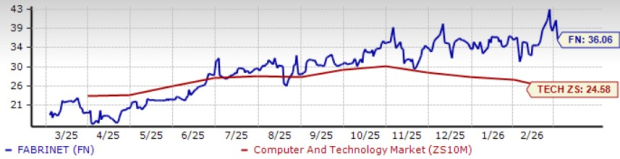
FN Jumps 25% in a Month: Is There More Room for the Stock to Grow?
Ireland’s Treasury Moves Into Deficit, Sparking Worries Over Public Finances

Bitcoin, Ethereum and XRP Rally: Why is Crypto Market Going Up Today?

Trending news
MoreCrypto prices
More





