
Bitcoin bulls defend $67 as BTC closes its 5th month down.

- BTC closes 5 consecutive months of decline.
- Bitcoin volatility following attacks on Iran
- Ethereum extends losses and tests $2.000
Bitcoin experienced strong volatility on Saturday following US and Israeli attacks on Iran, followed by retaliatory actions in the region. The market reaction was immediate, reflecting the price's sensitivity to high-impact geopolitical events.
Hours after the initial reports, BTC fell from approximately $67.000 to $63.000. Selling pressure gained strength in the short term, but the movement did not last long. Subsequently, the asset recovered and rose above $68.000 again, driven by news about the possible death of Iran's Supreme Leader. The recovery encountered resistance in this range, and the price returned to below $67.000.
In this article, we will discuss:
The week had already been marked by pressure.
Even before the surge in the Middle East, Bitcoin was already facing a correction environment. The week began with the asset falling from $68.000 to just above $64.000 following new developments related to trade tariffs.
Related Stories

Iranian oil could cause the price of a barrel to skyrocket after US attacks.

Bitcoin today at US$68 after the death of Ali Khamenei, and hype skyrockets 14%.
On Tuesday, the price reached $62.500, a multi-week low. The following day, there was a consistent rebound, with BTC once again reaching the $70.000 mark, a level not seen for over a week.
The momentum quickly lost strength, and the asset began to fluctuate in the US$68.000 range until the new wave of global tension. Currently, the market capitalization is around US$1,335 trillion, while dominance over altcoins remains just above 56%.
BTC closes fifth consecutive month in the red.
The recent movement consolidates a broader negative sequence. In October, Bitcoin reached highs above $126.000, but a mass sell-off event on the 10th of that month marked a significant shift in the market structure.
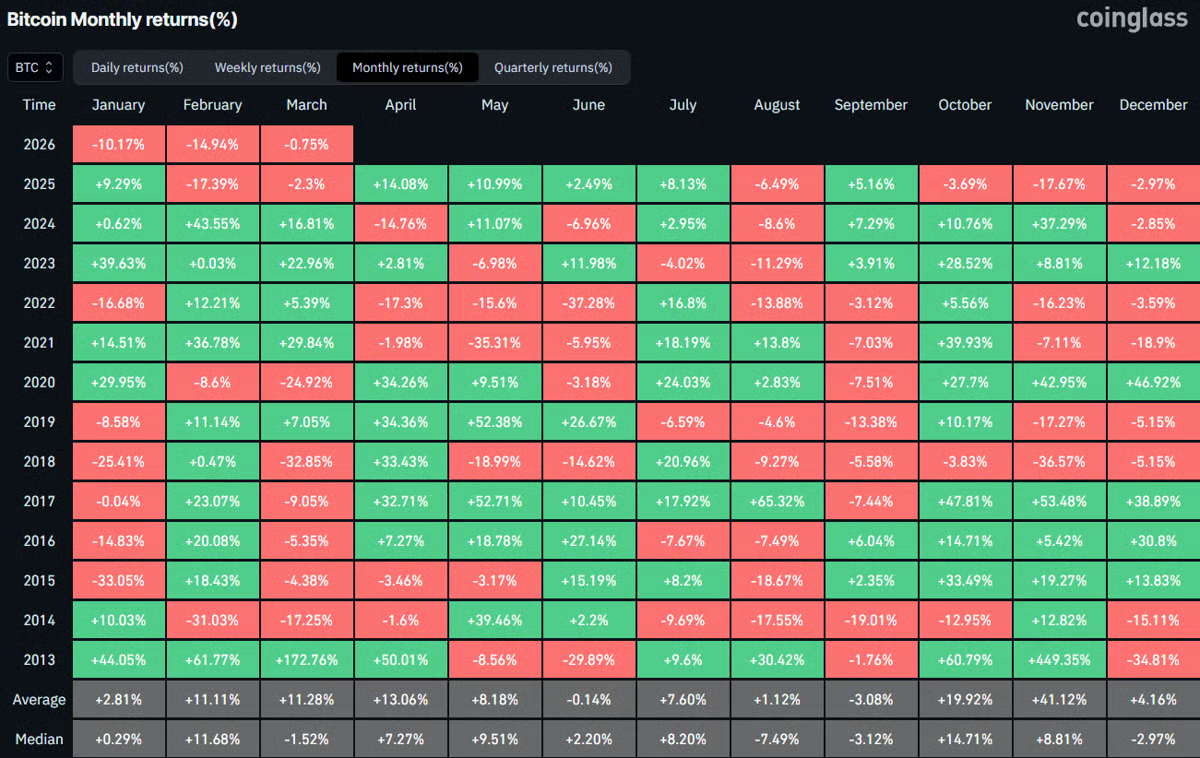
Since then, the asset has experienced frequent corrections. The year 2025 ended in the red, becoming the first post-halving cycle with negative annual performance.
January saw losses exceeding 10%, following rejection in the $98.000 region. In February, BTC retested $60.000 and, even closing near $65.000 to $66.000, accumulated a 15% drop.
With this, Bitcoin completes five consecutive months of devaluation, something that hasn't happened since 2018.
Among altcoins, Ethereum is facing an even more prolonged period of decline. ETH has experienced six consecutive months of losses and has only managed to close in positive territory in three of the last 15 months.
In January and February alone, the devaluation was 17,7% and 19,6%, respectively. The largest altcoin on the market is once again testing the US$2.000 region, after having fallen below that level at different times in recent weeks.
Meanwhile, XRP regained its fourth position in market capitalization, surpassing BNB, amid a realignment of major cryptocurrencies in the global ranking.
Bitcoin price analysis
In the short-term view, trader Ted assessed that the BTC liquidation heatmap is relatively balanced. According to him, "the $BTC liquidation heatmap looks fairly balanced right now."
He highlighted that there is a “relevant liquidity cluster between US$63.500 and US$64.000, which could be hit first if US futures retreat.” According to the analysis presented, this movement could occur before any more consistent recovery attempt.
Ted added that, after a possible sweep in that region, "market makers should target liquidity at the top, near $69.000." The analysis indicates that the market may seek liquidity both below and above the current price before defining a clearer direction.
Hours later, the trader observed that "BTC is back above the $67.000 level." He believes that if this zone holds as support, "Bitcoin will rise towards the range between $72.000 and $74.000."
$ BTC is back above the $67,000 level.
If this zone holds, Bitcoin will rally towards the $72,000-$74,000 level.
— Ted (@TedPillows) March 1, 2026
The projection suggests that maintaining the price above $67.000 could open up space for a technical recovery, while a drop below the $63.500 to $64.000 region would increase pressure in the short term.
Disclaimer: The content of this article solely reflects the author's opinion and does not represent the platform in any capacity. This article is not intended to serve as a reference for making investment decisions.
You may also like
POL Price Prediction Ahead of Polygon’s March 4 Lisovo Hardfork

Ditch the Spreadsheets: Automated Profit & Loss Tracking Has Arrived

Oil prices may surpass $90 following Iran's attacks, but are expected to decline subsequently
XRP Risks Losing 50% vs Bitcoin After Unfortunate February Closing
Trending news
MoreCrypto prices
More





