
EU Soybean Purchases Face Challenges Amid Declining Feed Needs and Faster Shift to Wheat

EU Soybean Imports: A Declining Trend
Recent figures highlight a notable decrease in demand for soybeans within the European Union. By March 8, 2026, soybean imports for the 2025/26 season had reached 8.54 million metric tons, marking a substantial drop from the 9.61 million tons reported at the same time last year—an 11% year-over-year decrease.
This downward momentum has only intensified. By mid-year, the trend had accelerated further. Data up to January 15 indicated imports at 6.73 million metric tons, which is 16% lower than the previous year’s equivalent period. This signals not just a persistent, but a deepening contraction in demand during the first quarter.
However, the situation extends beyond soybeans alone. The entire protein supply chain is undergoing a shift. Alongside falling soybean imports, the European Commission also reported an 11% decline in soymeal imports, down to 9.86 million tons in the same early period. This suggests that the reduction is not simply a switch from beans to meal, but rather a broader retreat from imported vegetable proteins. This stands in contrast to the USDA’s projection of record soybean meal imports at 19.5 million tonnes for the full year, highlighting the uncertainty ahead—either the current weakness is temporary, or forecasts are being recalibrated to reflect new realities. For now, the data points to a widening shortfall in raw soybean availability.
Feed Demand Weakens and Formulations Evolve
The drop in soybean imports reflects a larger trend of weakening demand for animal feed. The most telling indicator, EU soybean meal imports, fell 11% to 8.83 million tons in the early part of the season. This is not just a seasonal fluctuation, but a structural decline driven by plentiful alternative feed sources and deliberate changes in feed recipes. The main factor is the increased competition from grains. With EU corn production expected to reach 85.4 million metric tons in 2025-26, feed manufacturers are substituting wheat for both corn and soybean meal. Market observers note that wheat is increasingly replacing corn in feed blends, a trend likely to persist as price differences stabilize. This shift reduces the need for imported soybean meal, directly contributing to the decline in imports.
Further compounding the situation is the threat of disease. Outbreaks of African swine fever in major producing countries such as Spain have prompted feed mills to delay purchases for 2026. The outbreak, which began in late November, has created uncertainty, leading to reduced buying activity. According to one feed mill buyer, this could "potentially shave 2026 feed demand," posing a significant challenge for the entire protein supply chain.
In summary, demand is being squeezed by abundant supply and changing preferences. While regulatory ambiguity surrounding the EU Deforestation Regulation has added to market volatility, the underlying issue is weakening fundamentals. Feed mills are opting for less expensive wheat, curbing purchases due to disease risks, and generally reducing reliance on imported proteins. These combined pressures are driving the current imbalance in the EU soybean market.
Supply Chain Dynamics: Substitution and Price Advantages
Import patterns in the EU are being reshaped by a supply chain where domestic protein sources are limited and imported soybean meal is more attractive than ever. In the 2024/25 season, despite a decline in local oilseed output, the EU consumed a record amount of soybean meal. This was largely a response to reduced supplies of rapeseed and sunflowerseed meals, which experienced below-average production. Essentially, when domestic protein options dwindle, the market turns to the most cost-effective imported alternative—soybean meal.
This price edge is now more pronounced than it has been in years. Exceptional soybean harvests in South America have boosted crushing and exports, keeping global soybean meal prices low. As a result, European feed mills find the product highly competitive. Evidence of this can be seen in EU import unit values (CIF) averaging below US$400/tonne for the first time since 2019/20, a significant drop from the $550 per tonne peak in 2022/23. This favorable pricing is a key factor sustaining imports, even as overall feed demand softens.
The USDA’s latest outlook reinforces this trend, raising its forecast for 2025/26 EU soybean meal imports to 19.5 million tonnes, approaching last year’s decade-high. This adjustment is attributed to continued price competitiveness stemming from record global production. In practice, while feed demand faces pressure from disease and substitution, the low cost of soybean meal is helping to keep import volumes robust, even as soybean imports decline.
This creates a delicate balance: on one hand, subdued demand and increased domestic substitution are limiting growth; on the other, an abundance of inexpensive global supply makes soybean meal an appealing option when needed. This dynamic explains why meal import forecasts are rising even as soybean imports fall. The supply chain is adapting—when local alternatives are scarce and global prices are favorable, the EU increases meal imports. The key question is whether the ongoing weakness in feed demand will be enough to disrupt this pattern. For now, competitive pricing continues to underpin the market.
Key Drivers and Potential Risks Ahead
The future of EU soybean and soymeal imports will depend on several pivotal factors that could either prolong the current downturn or trigger a recovery later in the season. The most immediate concern is regulatory uncertainty. The postponed rollout of the EU Deforestation Regulation (EUDR) has created a volatile environment. Prices fluctuated sharply last year as expectations shifted, and the latest delay to December 2026 has left the market feeling both relieved and anxious. This ongoing uncertainty is already influencing purchasing decisions, with many buyers securing supplies early, potentially leading to higher inventories and reinforcing the current bearish trend. The risk is that this volatility will continue to suppress trade and import activity throughout 2026.
On the demand front, a rebound in livestock production—especially pork—could be the biggest catalyst. African swine fever outbreaks in key areas like Spain have led feed mills to postpone purchases, with some warning that this could "potentially shave 2026 feed demand." Should disease pressures subside and pork export demand recover, feed and soybean meal consumption would likely rise. However, for now, the outlook remains subdued as the market enters 2026 with ample supply and weak demand.
On the supply side, record soybean harvests in South America are expected to continue supporting high crushing rates and exports, keeping global soybean meal prices low. The USDA notes that attractive global soybean meal prices made the product appealing last year, a trend projected to persist into 2025/26. This price competitiveness provides a floor for import volumes, even if overall feed demand remains soft. The forecast for 2025/26 EU soybean meal imports was recently raised to 19.5 million tonnes, reflecting this ongoing price advantage.
In conclusion, the market is being pulled in opposite directions. Regulatory uncertainty and disease outbreaks are likely to keep the first half of the season subdued. However, the strong influence of abundant, low-cost global supply could bolster the market in the latter half, especially if domestic feed demand improves. The outcome will depend on which of these forces ultimately prevails.
Disclaimer: The content of this article solely reflects the author's opinion and does not represent the platform in any capacity. This article is not intended to serve as a reference for making investment decisions.
You may also like
5 Revealing Analyst Questions From Veeva Systems's Q4 Earnings Call

5 Must-Read Analyst Questions From Hudson Technologies's Q4 Earnings Call

5 Insightful Analyst Questions From Okta's Q4 Earnings Call

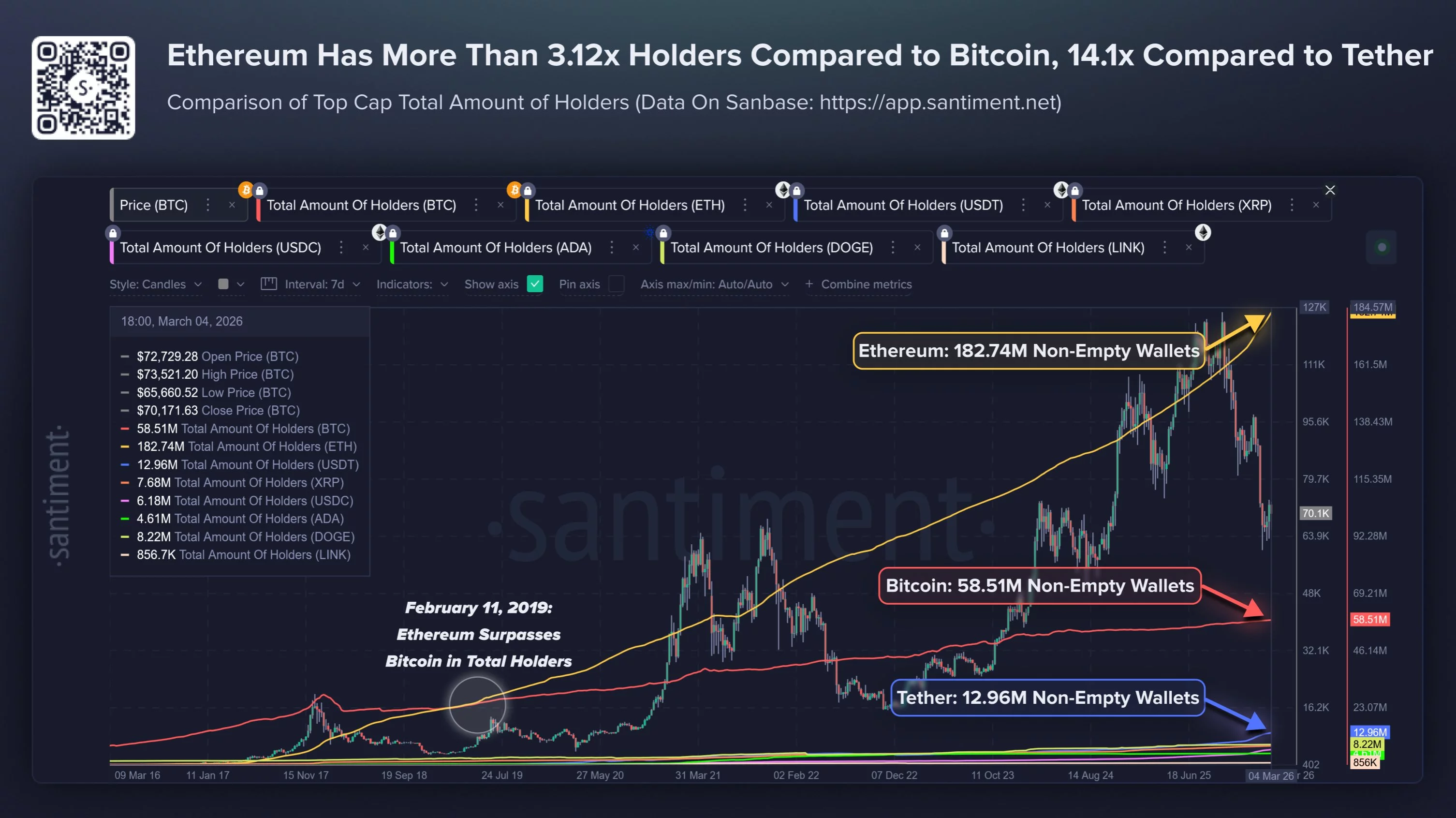
Ethereum has 3x more holders than Bitcoin as traders eye $2K ‘discount zone’
Trending news
MoreCrypto prices
More





