
U.S. data center expansion decelerates as the power grid nears its maximum capacity

U.S. Data Center Expansion Slows Amid Power Grid Constraints
Growth in the U.S. data center sector is being hampered by mounting limitations within the nation’s power grid. Recent findings from energy consultants reveal a marked decrease in the launch of new projects, with only 25 gigawatts of additional electricity capacity brought online in the fourth quarter of 2025—a notable drop compared to the previous quarter.
This deceleration stems from the grid’s inability to keep pace with the surging energy requirements of data centers. As a result, many companies are shifting their focus to advancing current projects rather than initiating new developments. Experts at Wood Mackenzie highlight that the grid is under significant pressure, especially as demand for AI infrastructure accelerates.
Connecting new data centers has become increasingly challenging due to stricter requirements from utilities and grid operators, creating a bottleneck for further expansion. In response, technology firms are adjusting their strategies to reflect these grid realities. 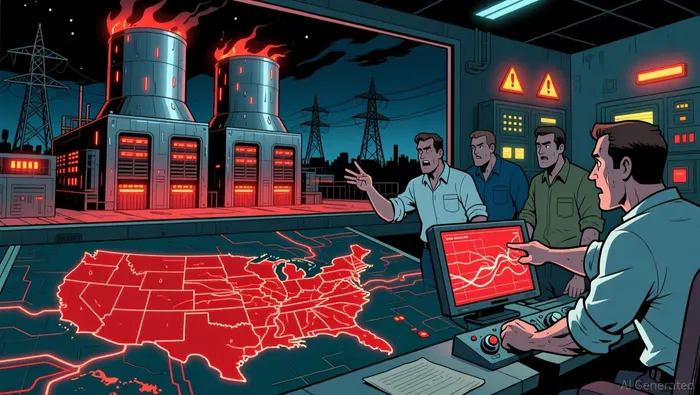 Capital investment in the sector is projected to slow in 2026, marking the first such decline since 2023.
Underlying Causes of the Slowdown
The primary reason for the shift in data center development is the grid’s limited capacity for rapid expansion. Historically, the U.S. has not needed to accelerate electricity generation at the pace now demanded by technology companies, making it difficult to meet their ambitious schedules. Consequently, only about one-third of planned projects are actively moving forward.
Economic factors also play a role, as the high costs of building new power plants and expanding grid infrastructure make large-scale projects less viable. In 2025, data center projects are expected to require 241 gigawatts of electricity—a 159% jump from the year’s start—yet only a small portion of these initiatives are likely to proceed.
What’s Next for the Industry?
Industry analysts are watching closely to see how major tech firms adapt to these grid limitations. Leading companies such as Alphabet, Amazon, Meta, Microsoft, and Oracle have collectively committed over $969 billion to data center and AI infrastructure projects. While Google and Meta continue to rely on the public grid, Oracle has chosen to power its facilities with on-site natural gas, reducing its dependence on external electricity supplies.
To address these challenges, new technologies are emerging. For example, vCluster Labs has launched vMetal, a management platform for bare metal machines that enables AI factories and Neocloud providers to scale GPU infrastructure more efficiently and securely by automating GPU server operations.
Security is also a growing concern. Manifold recently secured $8 million in seed funding to develop its Agentic AI Detection and Response (AIDR) platform, which is designed to protect autonomous AI agents across enterprise environments and mitigate risks associated with AI integration in development processes.
Industry Outlook
The slowdown in data center construction underscores the broader challenges facing the technology sector. As demand for AI and cloud services continues to rise, finding innovative solutions to overcome grid and infrastructure constraints becomes increasingly vital. Analysts believe that companies able to successfully navigate these obstacles will be best positioned to seize future opportunities.
Disclaimer: The content of this article solely reflects the author's opinion and does not represent the platform in any capacity. This article is not intended to serve as a reference for making investment decisions.
You may also like
XRP Liquidations Accelerate After $1.50 Breakout: Short Squeeze Unfolds

Social Security COLA Expected to Remain Unchanged Next Year: Key Information You Should Be Aware Of
The Trade Desk Is Rapidly Losing Clients. Should Investors Be Concerned About This Adtech Stock?

Polymarket CRO Hire Signals Institutional-Grade Risk Discipline for Market-Making Expansion

Trending news
MoreCrypto prices
More





