
Kharg Island's structural risk to oil supply establishes a multi-quarter baseline for the energy industry

Kharg Island: Structural Supply Shock and Investment Implications
The central argument for investment is clear: the risk of Kharg Island's oil facilities being destroyed would cause a lasting disruption to global oil supply. This isn't a temporary setback—it's a threat to a crucial export hub that manages about 90% of Iran's crude shipments. For institutional investors, this scenario increases the risk premium for energy assets and requires a fresh evaluation of geopolitical risks.
Kharg Island's significance is heightened by its unique geography and infrastructure. Located just 25 kilometers from Iran's coast, this coral island acts as the main terminal for crude oil from fields such as Marun and Ahvaz. Its extensive jetties support supertankers, and it can store up to 30 million barrels of oil. Because it is both a major export point and a storage site close to production, any damage would not only halt exports but also create a critical bottleneck in the system.
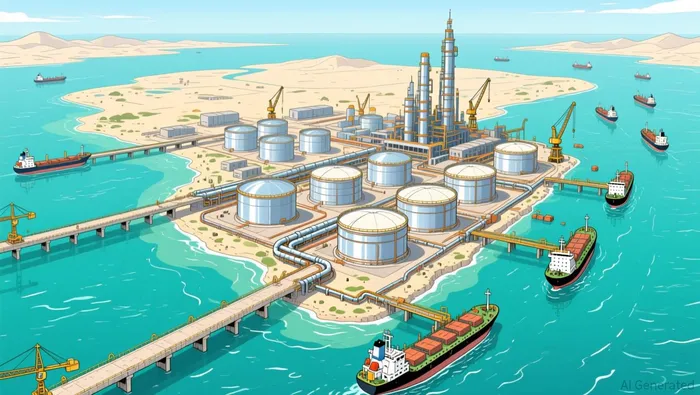
The timeline for rebuilding is a key concern for investors. Repairing such specialized facilities is a lengthy process, likely taking several months or even more than a year. This extended downtime would turn a conflict into a prolonged supply disruption, far exceeding the volatility of a single event. Kharg Island is often described as the most essential part of Iran's oil network, and its loss would severely damage Iran's economy and its ability to contribute its 4.5% share to global oil supply.
For institutional portfolios, this represents a tangible, long-term risk. The vulnerability is not theoretical; it is a real threat with a measurable recovery period. Investors should incorporate this persistent risk premium into their sector allocations and risk models, especially for assets tied to Middle Eastern energy.
Policy Actions: Temporary Relief, Limited Impact
The U.S. government has responded with a short-term measure: a 30-day sanctions waiver permitting the sale of Iranian oil already loaded onto ships, aiming to release about 140 million barrels to the market by April 19. The intention is to counter Tehran and stabilize prices, providing a liquidity boost during a supply crisis.
However, this intervention is modest in scale. The 140 million barrels equate to just 1.5 days of global oil consumption. Compared to the potential multi-month loss from Kharg Island, this is insignificant. The waiver is a temporary fix, addressing only stranded oil at sea, not the larger issue of a disabled export terminal.

The effectiveness of the waiver is further limited by its scope and timing. It applies only to oil already loaded as of March 20, leaving most Iranian crude still stored at the island or its jetties untouched. For institutional investors, this means the policy offers only brief relief and does little to mitigate the ongoing risk premium in the energy sector. Ultimately, this move is a political gesture that provides liquidity but does not address the underlying structural problem.
Market Response: Sector Rotation and Quality Focus
The market has responded decisively. Brent crude remains near $112 per barrel, up 53% over the past year. This is not a speculative jump but a fundamental repricing driven by a sustained supply disruption. The risk associated with Kharg Island has been directly reflected in financial valuations, embedding a structural premium in energy stocks.
The main risk for investors is that this premium will persist. Restoring capacity is challenging, and experts warn that "They don't know how to get it safely back open. Which is unforgivable, because this part of the disaster was 100% foreseeable." This suggests a lengthy recovery, possibly lasting months or longer. For institutional portfolios, this turns a geopolitical event into a fundamental constraint that will keep prices elevated and limit future returns in the energy sector.
As a result, portfolio strategy should shift toward quality within the energy sector. The environment favors companies with efficient, robust supply chains that are not reliant on vulnerable chokepoints. Firms with higher geopolitical exposure or greater operating costs are at a disadvantage. The strategic approach is to overweight producers with stable cash flows and minimal exposure to this specific risk, enhancing risk-adjusted returns. In a market shaped by a severe, enduring supply shock, quality becomes the key driver of performance.
Key Catalysts and Monitoring Points
Looking ahead, institutional investors should focus on several critical indicators. The thesis of a prolonged supply shock is not fixed; it will be confirmed or challenged by specific developments and data.
- Direct Attack on Oil Infrastructure: The most immediate trigger would be a strike on Kharg Island's oil assets. Although military targets have been hit, the oil facilities remain intact. The administration has threatened to target oil pipelines with minimal warning. Any such action would cause a severe supply shock, validating the physical risk and likely pushing prices higher. Investors should watch for any shift from military strikes to targeting the export terminal.
- Rebuild Timeline and Costs: The speed and expense of reconstruction will determine how long the supply disruption lasts. Experts note that "They don't know how to get it safely back open." Without a clear plan, downtime could extend for months or more. Investors should monitor credible estimates for rebuilding, as these will directly affect supply forecasts and risk premiums.
- Institutional Capital Flows: Watch for shifts in capital allocation within the energy sector. Increased investment in companies with low geopolitical risk and strong financials would indicate a strategic move away from vulnerable assets. If such flows are absent, or if capital continues to favor higher-risk producers, it suggests the market has not fully priced in the structural risk. These flows ultimately reflect the market's assessment of the thesis.
Disclaimer: The content of this article solely reflects the author's opinion and does not represent the platform in any capacity. This article is not intended to serve as a reference for making investment decisions.
You may also like
$BNGO , Setup

Whale Accumulation Spikes as XRP Gains Momentum Amidst Regulatory Optimism
4 ETFs With Yields Above 7% That Income-Focused Investors Are Discreetly Accumulating

Trending news
MoreCrypto prices
More





