Iran had originally planned to respond to negotiation offers today or tomorrow, but the latest strikes on Iran have postponed this timeline. Statements from senior Iranian officials indicate that a potential turning point expected within days has now been delayed. Meanwhile, tension is mounting in global cryptocurrency markets, with the chart measuring Bitcoin’s market dominance flashing warning signs. Different analysts have weighed in with their views on what to expect next for both diplomacy and digital assets.
Diplomacy in limbo after steel plant strike
Deputy Foreign Minister Abbas Araghchi remarked that the attack on an Iranian steel plant has dealt a blow to ongoing diplomatic efforts. Araghchi criticized the United States for making comments suggesting Iran’s response would come “today or tomorrow,” stating that such expectations have been rendered meaningless in light of recent developments. He emphasized that those responsible would face severe consequences.
“The attack on Iran’s steel facilities is at odds with the period for diplomacy extended by the U.S. President. Iran will make sure Israel pays dearly for its crimes,” Araghchi commented.
A second senior Iranian official echoed Araghchi’s frustration, highlighting contradictions in U.S. policy and the challenging decisions facing Tehran.
“The U.S. cannot call for negotiations while simultaneously conducting attacks on Iran. With ongoing strikes targeting our industrial and nuclear sites, Iran has not yet decided whether to respond to the American proposal. Iran’s answer was initially anticipated for Friday or Saturday, but this timeline is now uncertain,” the official conveyed.
Bitcoin (BTC) dominance under scrutiny
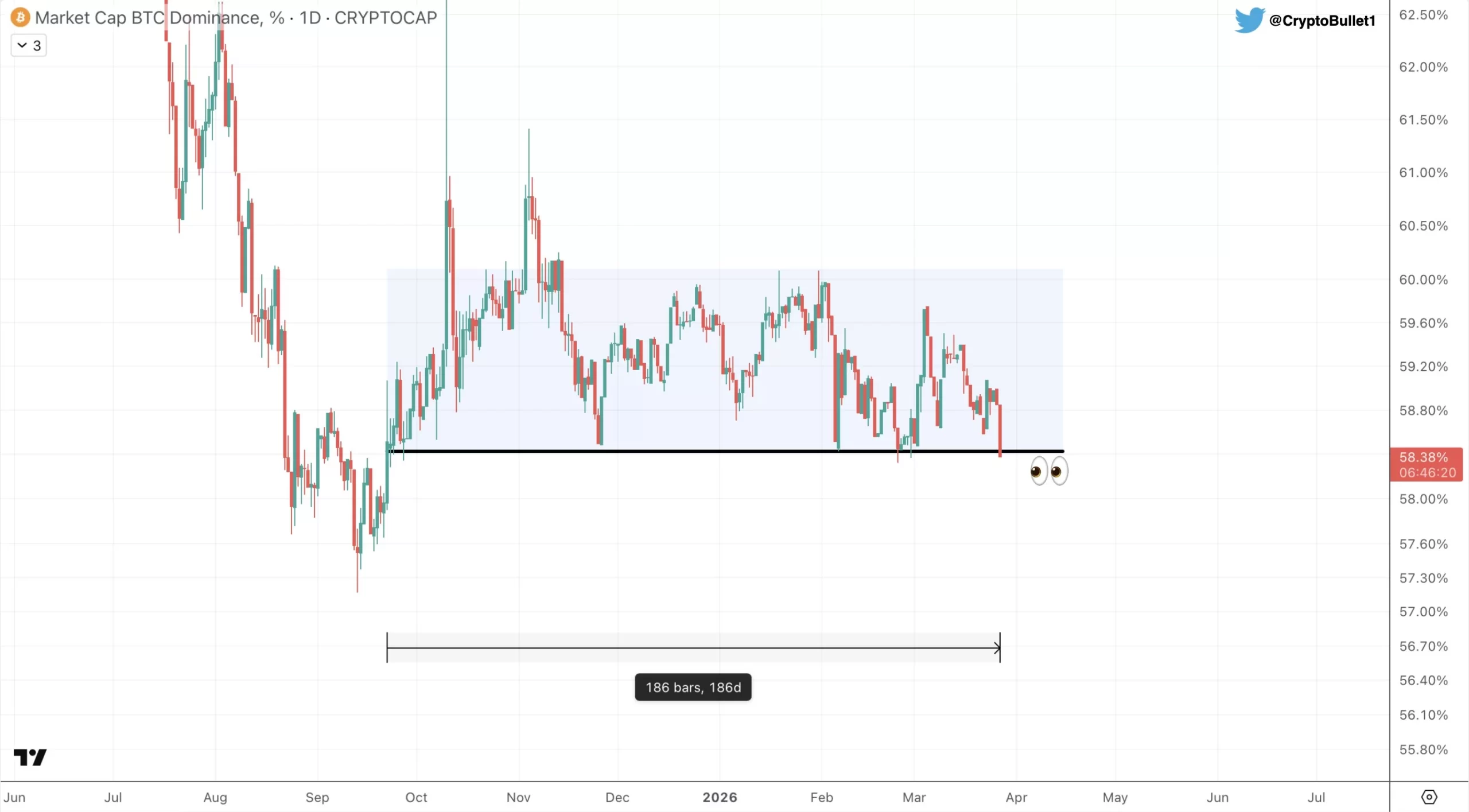
Turning to cryptocurrency markets, analyst CryptoBullet declared that Bitcoin’s dominance has stagnated between 58 and 60 percent for the past six months—a situation he describes as increasingly frustrating for market participants. He predicts a break from this tight range is coming soon, possibly resulting in Bitcoin’s dominance declining to its 200-week moving average of 53–54 percent. Such a pullback could provide much-needed relief to altcoins, which have been under considerable pressure for an extended period.
In his latest assessment, analyst Poppe observed that Bitcoin’s ongoing movement toward $60,000 may actually present a favorable buying opportunity in the coming days.
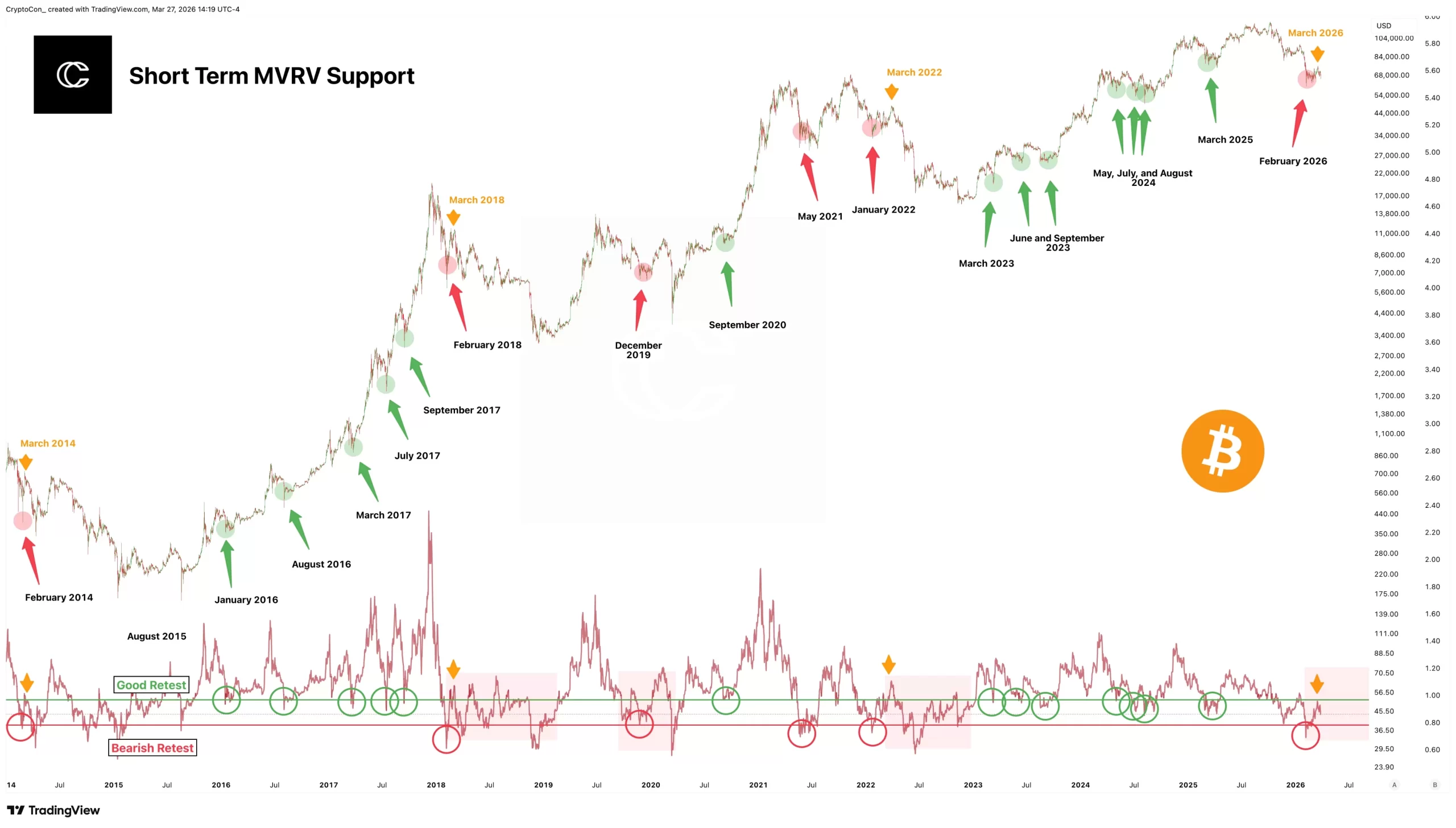
CryptoCon, another leading observer, suggested that March is likely to end with another downward retest, consistent with previous cycles. The analyst emphasized there are typically two phases of such downturns before a market bottom is confirmed.
“To confirm a cycle bottom, markets usually undergo two more downward-oriented retest phases,” CryptoCon explained.
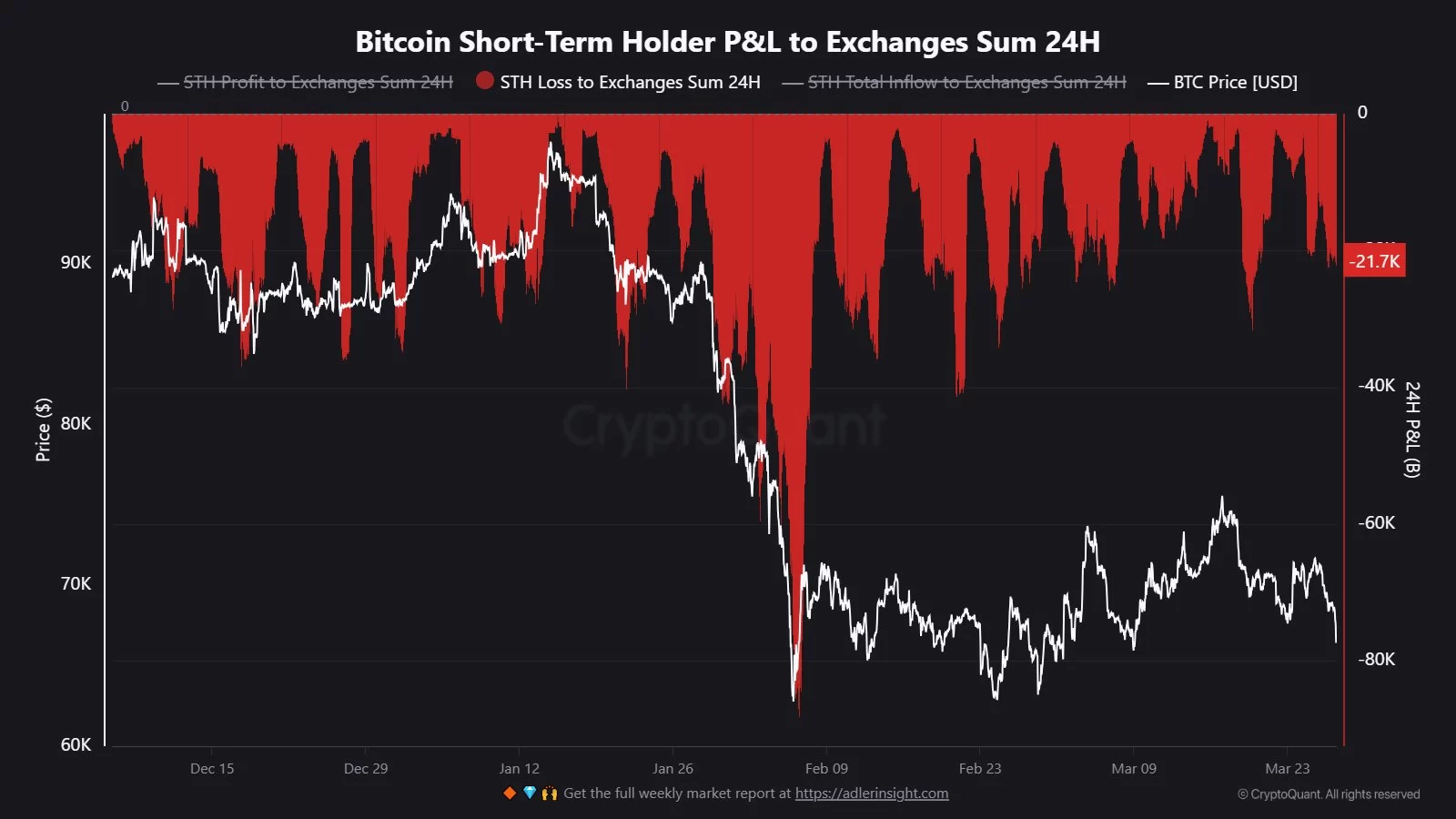
Within the last 24 hours, an additional 21,700 bitcoins held by short-term investors have been moved to exchanges, a trend Maartunn describes as concerning due to the realization of losses. Of particular note, around 7,000 of these coins could be so-called “Galaxy assets”—Bitcoin untouched since the era of Satoshi Nakamoto—though the prevailing chart does not separate out such transactions.
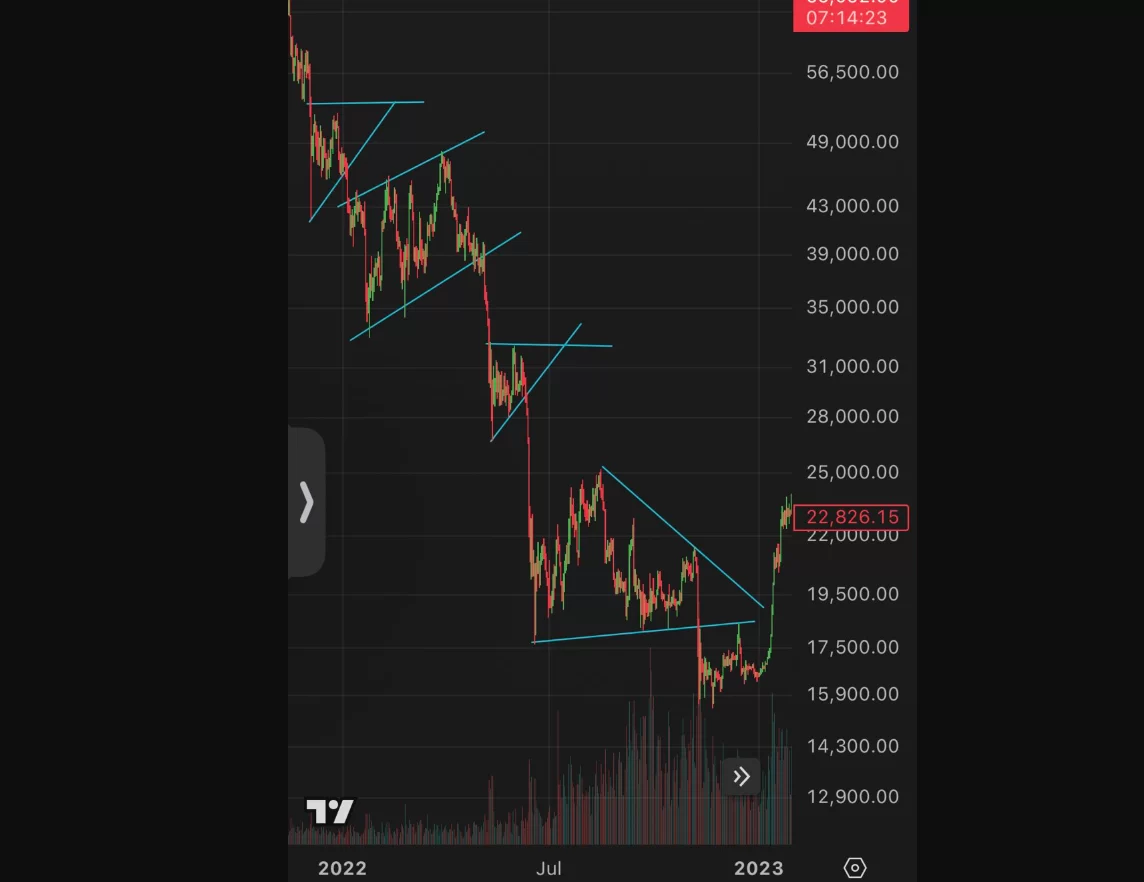
Finally, the analyst known as Roman Trading cautioned that any rallies in cryptocurrency prices could actually signal bigger declines ahead. Citing the example of 2022, they predict a series of lower highs in the market until a true bottom is found. Investors are urged to remain vigilant and avoid assuming that every rebound marks the end of current volatility.







