
Using Cost Shock Analysis to Identify Industry Vulnerabilities and Opportunities

Understanding how industries respond to unexpected price changes—like sudden spikes in oil or raw material costs—can give investors a valuable edge. This is where cost shock analysis comes in. In this article, we’ll break down what cost shock analysis is, why it matters, and how investors can use it to find opportunities and avoid risks in the stock market. Cost shock analysis is a method used to evaluate how a sudden and significant change in input costs—such as energy, labor, or materials—affects a company or entire industry. For example, if oil prices jump overnight due to geopolitical tensions, manufacturing and transportation sectors may be hit hard, while companies with strong pricing power or lower exposure to oil might thrive. By analyzing these shocks, investors can better understand which industries are most vulnerable and which are positioned to outperform. In real investing, this means being proactive rather than reactive. When a cost shock occurs, such as a 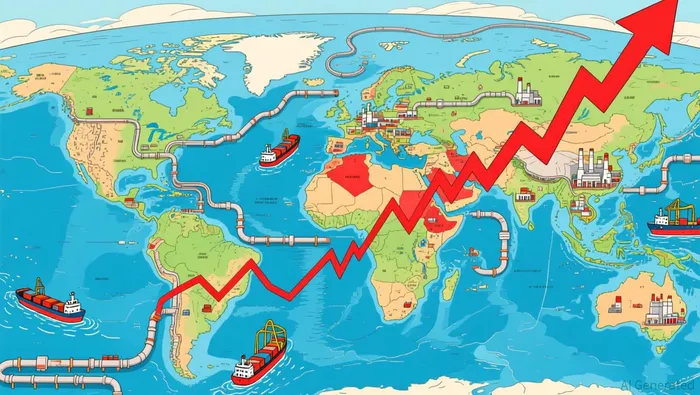 supply chain disruption or a sharp increase in commodity prices, investors can use cost shock analysis to anticipate which stocks may fall and which might rise. For instance, if you know that a company in the textile industry relies heavily on cotton, a sudden price increase in cotton could signal a potential decline in that company’s margins. On the flip side, a company that can pass these costs to consumers or has a strong balance sheet to absorb the shock might be a good buy. One powerful strategyMSTR-3.64% is sector rotation based on cost shock trends. By shifting investments toward industries that are less sensitive to cost shocks and away from those that are more vulnerable, investors can better manage risk and improve returns. Another strategy is to invest in companies with strong cost management practices or those with diversified supply chains that make them more resilient to shocks. A real-world example of cost shock in action occurred during the 2021 supply chain crisis. A combination of port delays, shipping container shortages, and increased fuel costs created a major cost shock for industries reliant on global logistics—such as retail and consumer goods. Companies like Amazon and Walmart, with deep logistics networks and pricing power, were better positioned to handle these shocks than smaller, less flexible retailers. As a result, while some companies saw sharp declines, others saw growth, offering valuable lessons in preparedness and adaptability. Of course, using cost shock analysis isn’t without risks. Not all companies react the same way to cost changes, and some may surprise investors by adapting quickly. Over-reliance on this analysis without considering other factors—like company leadership, brand strength, or long-term industry trends—can lead to poor decisions. Investors should also be cautious about short-term volatility and avoid making hasty trades based on a single shock. To mitigate these risks, it’s important to combine cost shock analysis with other tools like fundamental analysis, earnings forecasts, and industry research. Diversification across sectors and geographies can also help reduce the impact of any one cost shock on your portfolio.
In conclusion, cost shock analysis is a valuable tool for investors who want to understand how unexpected cost changes can impact the stock market. By identifying which industries are most at risk and which have the potential to benefit, investors can make more informed decisions and position their portfolios for long-term success. Whether it’s a surge in energy prices or a global supply chain disruption, being prepared means having the tools to see not just the storm, but the opportunities it may bring.
Disclaimer: The content of this article solely reflects the author's opinion and does not represent the platform in any capacity. This article is not intended to serve as a reference for making investment decisions.
You may also like
Universal Music Group’s Embrace of AI May Become Its Next Competitive Edge—Has the Market Undervalued This Move?

AMC’s Debt Restructuring Fantasy: A Temporary Financial Lifeline, Not a Route to Sustainable Earnings

Antilles Gold's Governance Disclosure Indicates Institutional Preparedness for Investment Allocation


Trending news
MoreCrypto prices
More





