
Advanced Recycled Polyolefins Must Meet 2026 EU Compliance—Regulatory Pressure Triggers Immediate Demand Surge and Sets Stage for Sustained Expansion

Advanced Recycled Polyolefins: Market Evolution and Regulatory Impact
The advanced recycled polyolefins sector is experiencing a significant shift, moving away from its previous dependence on fluctuating oil prices and short-term demand cycles. Instead, it is now driven by structural growth supported by regulatory mandates. According to projections, the global market is expected to grow from $4.7 billion in 2026 to $10.2 billion by 2036, representing an annual growth rate of 8.1%. This expansion is increasingly underpinned by enforceable regulations and long-term supply agreements, rather than the unpredictable petrochemical cycle.
Regulatory Enforcement: The Key Driver
Regulatory measures are central to this market transformation. Unlike conventional recycled plastics, which saw demand fluctuate with the price of virgin resins, advanced recycled polyolefins are now essential for compliance. Governments are introducing mandatory recycled content standards, converting voluntary sustainability pledges into legal requirements. This shift ensures steady, long-term demand. Companies are now entering into extended supply contracts for certified recycled materials, viewing them as indispensable for meeting regulatory standards rather than optional environmental efforts.
EU Packaging Regulation: A Major Catalyst
The European Union's new Packaging Regulation (PPWR), set to take effect on August 12, 2026, is a pivotal force for the industry. This regulation requires all packaging sold in the EU to be recyclable and sets minimum recycled content thresholds that will rise over time. For advanced recycled polyolefins, this law guarantees a robust market, as producers must source recycled materials to comply. This regulatory momentum is expected to fuel sustained growth well beyond typical commodity cycles.
Macro Forces: Policy, Feedstock, and Inflation
Several macroeconomic factors are reshaping the profitability and competitive dynamics of advanced recycled polyolefins. These include targeted policy support, changes in petrochemical feedstock sources, and the inflationary effects of the oil-dollar relationship.
- Policy Support: The U.S. Inflation Reduction Act provides $11.7 billion in loan authority, boosting funding for clean energy and manufacturing projects by about $100 billion. This capital helps finance new recycling facilities and upgrade existing infrastructure, mitigating the high upfront costs that have historically limited industry growth. Such policy support helps insulate the sector from oil price volatility and enables long-term investment.
- Feedstock Shift: The rise of shale gas has made natural gas liquids, especially ethane, the main feedstock for U.S. petrochemical plants. Because ethane prices are tied more closely to natural gas than crude oil, U.S. producers benefit from greater price stability when oil prices are high. This reduces volatility in virgin polyolefin costs and strengthens the economic case for advanced recycled alternatives, creating a more predictable environment for investment in new recycling technologies.
- Inflation Dynamics: The correlation between oil prices and the U.S. dollar means that increases in crude oil can raise import costs for oil-dependent regions. As highlighted by the ECB, oil prices in local currencies can be more volatile than in dollars, intensifying inflationary pressures, especially in Europe. This adds cost challenges for recycled polyolefin producers, potentially widening the price gap with virgin materials and emphasizing the sector's exposure to global economic forces.
Competitive Dynamics and Investment Outlook
Success in the advanced recycled polyolefins market increasingly depends on scale, regulatory expertise, and access to capital. Industry leaders such as Borealis, SABIC, ExxonMobil, Dow, and INEOS dominate due to their financial resources and technical capabilities. These companies are able to secure long-term supply agreements, integrate recycling operations with existing assets, and manage complex compliance requirements, giving them a significant advantage in scaling up the industry.
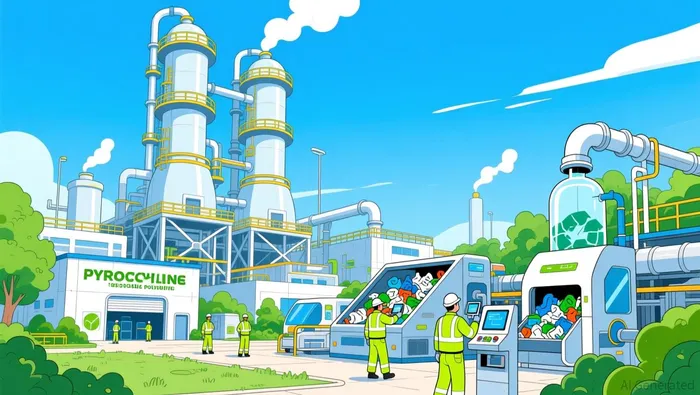
Profitability hinges on two main factors: reliable, low-cost waste feedstock and advanced recycling technology. Firms that can secure consistent waste streams through partnerships or proprietary collection networks will have a competitive edge. Operational efficiency at scale is also crucial, as chemical recycling methods like pyrolysis require significant capital investment. Only those able to optimize processes and reduce per-unit costs will achieve sustainable margins, creating barriers for smaller players.
Federal policy is adding new strategic considerations. The Justice40 initiative, which requires that at least 40% of certain federal investment benefits reach disadvantaged communities, is influencing funding decisions. With the Inflation Reduction Act's $118 billion in programs subject to Justice40—including the Advanced Technology Vehicles Manufacturing Loan Program—projects aligned with environmental justice may receive preferential support. This introduces a social equity aspect to project siting and investment evaluation, requiring investors to consider community engagement and environmental justice alongside technical and financial factors.
Overall, the investment landscape is defined by regulatory-driven growth, but demands scale and strategic vision. The market's anticipated expansion from $4.7 billion in 2026 to $10.2 billion by 2036 presents a clear opportunity, but only those able to efficiently meet regulatory requirements at scale will capture returns. The dominance of major chemical firms points to ongoing consolidation, with partnerships and acquisitions likely to shape the sector. Ultimately, success will depend on securing feedstock, mastering technology, and navigating both regulatory and social policy challenges.
Key Catalysts, Risks, and Future Developments
The outlook for advanced recycled polyolefins is shaped by imminent regulatory deadlines and technological challenges. Several critical factors will determine whether the market achieves its projected growth.
- Regulatory Catalyst: The EU Packaging Regulation's enforcement date of August 12, 2026 is a near-term trigger, requiring immediate compliance. Companies across the supply chain must adapt to new standards, including extended producer responsibility and revised packaging design. This deadline creates a surge in demand for recycled content, with the European Commission confirming its unaffected status by the Environmental Omnibus package, providing clarity and urgency.
- Cost Parity Risk: The main challenge is achieving cost competitiveness with virgin polyolefins. Advanced recycling processes are capital- and energy-intensive, and widespread adoption depends on narrowing the price gap. The market's growth projections assume that scale, technological improvements, and supportive policies will reduce production costs. If recycled resins remain significantly more expensive, adoption will be limited to compliance-driven purchases, restricting market size and profitability.
- Expanding Regulatory Landscape: Beyond Europe, U.S. state-level mandates and potential federal policy extensions are important to monitor. States like California are implementing ambitious recycled content requirements, creating similar demand drivers. The federal government’s evolving role, including the Inflation Reduction Act's Justice40 programs, could be expanded to other sectors. Establishing federal recycled content standards would greatly increase market size and provide long-term policy certainty. The progress of these initiatives will signal broader growth potential for the industry.
In summary, the market is entering a phase where regulatory catalysts are clear and imminent, but economic viability remains the decisive factor. The August 2026 deadline is a key turning point, but sustained growth will depend on technological advancements and cost reduction. Continued progress in scaling technology and expanding supportive policies will shape the next stage of development for advanced recycled polyolefins.
Disclaimer: The content of this article solely reflects the author's opinion and does not represent the platform in any capacity. This article is not intended to serve as a reference for making investment decisions.
You may also like
Will crypto market rally as ceasefire talks between the U.S. and Iran intensify?
China's Initiative for Blockchain-Based Tax Data: Credit Growth Fueled by Data Flow

Should you consider putting your money into the Fidelity MSCI Consumer Discretionary Index ETF (FDIS)?
Is Investing in the Fidelity MSCI Materials Index ETF (FMAT) a Good Choice?
Trending news
MoreCrypto prices
More





