
Nel’s performance-based compensation may trigger a surge in revenue or spark negative reactions following the first quarter results

Shareholders Demand Accountability: A New Era for Nel's Executive Compensation
The real story isn't in the headlines—it's in the details of Nel's latest governance overhaul. At the annual meeting on April 10, shareholders sent a strong message to management: executive rewards must be directly tied to the company's financial performance. The traditional stock option model was replaced with a performance-driven incentive plan, marking a significant shift in how leadership is motivated. This isn't a minor adjustment; it's a fundamental change designed to ensure management is laser-focused on delivering results.
The new compensation framework is straightforward but strict. Executive payouts are now linked to achieving long-term business objectives, with clear limits in place. The CEO can earn up to 50% of base salary in Performance Share Units (PSUs), while other board members are capped at 30%. These rewards are only unlocked if specific operational targets are met—miss the mark, and the number of shares is reduced, directly penalizing underperformance.
Adding urgency, executives were given a one-time opportunity to swap their existing stock options for PSUs that vest over one and two years. This move resets the incentive timeline, pushing leadership to deliver short-term gains. Nearly 15 million PSUs were granted under the new plan, with the CEO receiving about 1.16 million units per tranche as part of this transition.
Is this a meaningful change? For now, it appears so. Shareholders are insisting on greater accountability, especially after a quarter where orders soared but revenue declined. The new plan puts pressure on management to turn the growing order backlog into actual sales. The real test will come soon, with the upcoming Q1 report set to reveal whether these changes drive the results investors expect.
Executive Incentives: Real Stakes or Window Dressing?
The scale and structure of the new plan highlight management's commitment. On April 10, 2026, a total of 14,933,025 PSUs were awarded, creating a substantial potential payout. However, these units are not guaranteed—they vest over three years, and any shortfall in performance leads to a reduction in shares. This means executives have a lot to lose if they don't deliver.
Strict caps ensure that executive compensation remains aligned with shareholder interests and industry standards. The CEO's annual PSU award cannot exceed 50% of base salary, while other executives are limited to 30%. This approach ties pay to performance, not just tenure, and helps prevent excessive payouts.
Looking at the numbers, the CEO, Håkon Volldal, received 1,159,173 PSUs in each of three tranches, totaling over 3.4 million units. The CFO, Kjell Christian Bjørnsen, was granted 476,900 PSUs per tranche. These are significant stakes, directly linking their future wealth to Nel's operational achievements.
The one-time technical adjustment—canceling all existing stock options in exchange for PSUs vesting in one and two years—adds complexity. This reset increases pressure to deliver short-term results, but also means a large portion of awards could vest quickly, potentially leading to near-term selling if targets are met.
Ultimately, the plan creates strong alignment between management and shareholders. Executives now have a major financial interest in the company's long-term success, with meaningful rewards for meeting goals and real consequences for falling short. The effectiveness of this alignment will be tested as the company strives to meet market expectations for revenue growth.
Revenue Conversion: Turning Backlog into Results
This revamped compensation plan is a direct response to a critical financial challenge. While shareholders have approved the new governance structure, Nel must now prove it can convert a record order backlog into actual revenue. The upcoming Q1 2026 report, due on April 22, 2026, will be the first major test of whether the company can close this gap.
Absolute Momentum Long-only Strategy: Backtest Overview
- Entry Criteria: Buy NEL when the 252-day rate of change is positive and the closing price is above the 200-day simple moving average (SMA).
- Exit Criteria: Sell when the price falls below the 200-day SMA, after 20 trading days, or if an 8% gain or 4% loss is reached.
Backtest Results
- Total Return: -65.88%
- Annualized Return: -3.63%
- Maximum Drawdown: 81.02%
- Profit-Loss Ratio: 0.49
- Total Trades: 7
- Winning Trades: 4
- Losing Trades: 3
- Win Rate: 57.14%
- Average Hold Days: 1.86
- Max Consecutive Losses: 1
- Average Win Return: 26.89%
- Average Loss Return: 36.98%
- Best Single Trade Return: 56.36%
- Worst Single Trade Loss: 81.02%
The urgency is clear when looking at recent results. In Q4 2025, Nel's order intake jumped by 364%, but revenue from customers dropped 20%. This isn't a temporary issue—it's a sign of deeper operational challenges. The year ended with an order backlog exceeding NOK 1.3 billion, yet the company reported a net loss of NOK 870 million, largely due to non-cash depreciation. In short, the company has plenty of orders, but revenue isn't following.
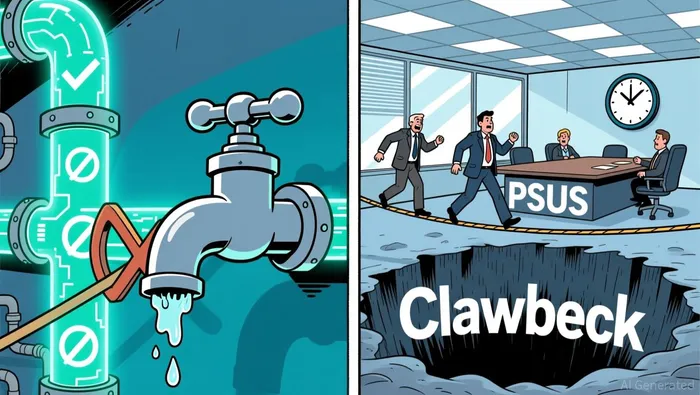
This disconnect is exactly what the new PSU plan is designed to address. Management's compensation is now directly linked to closing this gap. If the Q1 report shows the backlog isn't converting to revenue, the plan's clawback provisions will reduce executive rewards. Investors are watching closely for evidence that the surge in orders is translating into real sales, not just promises.
This situation is a classic pitfall: a large order backlog may look impressive, but without revenue conversion, it's a liability. The new incentive structure forces management to focus on turning orders into income, aligning their interests with shareholders. The upcoming report will reveal whether this alignment is enough to break the cycle of growing orders but shrinking sales.
Key Catalysts and Risks for Investors
For sophisticated investors, the central question is whether the new compensation plan will truly change executive behavior. The answer will become clear in the coming weeks, but several catalysts and risks are in play.
- Major Catalyst: The Q1 2026 earnings report on April 22 is the first big test. The market wants to see tangible progress in converting the record NOK 1.3 billion backlog into revenue. Failure to show improvement could trigger a sell-off, while success would validate the new incentive structure and potentially spark a rebound.
- Key Risk: While the PSU plan is an upgrade from stock options, it still allows for considerable payouts even if long-term goals aren't fully met. With a three-year vesting period, executives have time to achieve targets, and partial awards may vest even if some milestones are missed. This could result in management being rewarded for incremental progress while the core issue—revenue conversion—remains unresolved.
- Institutional Activity: Watch for signs of major investors buying or selling in the weeks ahead. The mandatory quiet period ends on April 22, and the market will react to the new governance and financial reality. Shareholder approval, including from strategic partners like Samsung E&A, is encouraging, but the real signal will come from institutional investors. A 13F filing showing net buying would be a strong endorsement, while heavy selling would indicate lingering doubts.
Disclaimer: The content of this article solely reflects the author's opinion and does not represent the platform in any capacity. This article is not intended to serve as a reference for making investment decisions.
You may also like
Burry's JD.com and Alibaba Longs Protected by Puts as He Bets on Policy-Driven Stabilization
Salesforce's Strategic AI Move: Exploring the $800M ARR Growth Driver Fueling the Upcoming S-Curve

LABNEW (LAB) fluctuates 40.8% in 24 hours: Driven by whale accumulation and high trading volume
Trending news
MoreCrypto prices
More





