
Ireland’s energy shortage is causing both political and economic challenges—See the May analysis for potential changes in policy

Fuel Shortage Crisis: Everyday Impact Across Ireland
This situation goes far beyond headlines about inflation—it’s about the unmistakable scent of diesel lingering in the air and the unsettling silence of stalled engines. The crisis has hit Ireland hard, leaving about one-third of petrol stations without fuel. For commuters, this means daily routines are thrown into chaos, and even a quick trip to the shop requires careful planning. The disruption is palpable, and frustration is mounting among the public.
The catalyst for this turmoil is a sharp increase—over 20%—in diesel prices since conflict erupted in the Middle East. This surge has pushed pump prices above €2 per litre, a level not seen since the Ukraine crisis began. Drivers feel the pinch directly, while businesses dependent on transport face existential threats. The situation has sparked widespread protests, with farmers and drivers blocking critical infrastructure, including the country’s sole refinery and major fuel ports.
The government’s response underscores the gravity of the situation. Finance Minister Simon Harris described it as a "very dangerous moment" for the economy, warning not just of price shocks but of risks to emergency services and supply chains. The scale of the protests, the number of blocked roads, and the need for police intervention at the refinery highlight that this crisis has moved from rhetoric to real-world disruption. When a third of petrol stations are dry and the economy is at risk, the pain is both genuine and widespread.
Government Response: Temporary Relief Measures
In an effort to address the crisis, the government has announced a €505 million support package. While the figure sounds substantial, its impact is limited. The plan includes temporary tax reductions—15 cents per litre for petrol and 20 cents per litre for diesel—which will only last until the end of July. Additionally, the fuel allowance for 470,000 households is being extended, providing an extra €152 in direct support to those most affected.
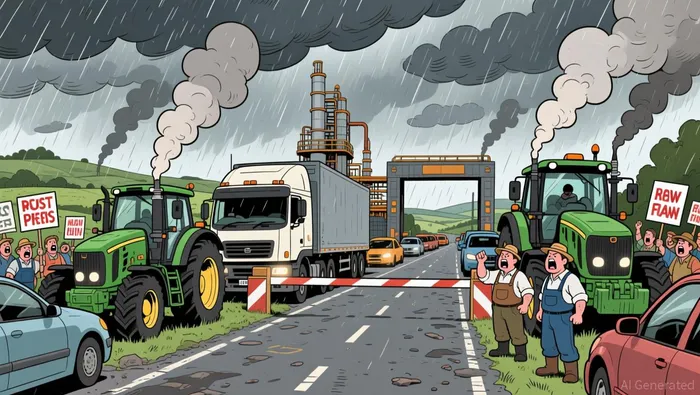
The package also expands beyond household relief. Recognizing that the crisis affects the entire supply chain, the government is launching a €150 million subsidy for farmers and fisheries. Increased rebates for haulage operators further demonstrate the broad reach of the intervention. These measures acknowledge that the pain extends far beyond individual drivers—it impacts businesses and the food supply network.
But is this a lasting solution or merely a stopgap? The €505 million package offers immediate relief, but its temporary nature means the underlying issue—a global spike in fuel prices driven by conflict—remains unresolved. The government admits that "nobody knows what the situation will be in a month from now". This plan buys time, easing tensions and protests, but it does not address long-term resilience. The real challenge will come if government reserves dwindle and the crisis persists.
Ripple Effects: Economic Risks Beyond Fuel
While the initial impact is felt at the pump, the consequences are likely to spread throughout the economy. A sudden jump in fuel prices rarely stops with motorists—it reverberates through agriculture, construction, and household budgets.
Farmers are already experiencing higher costs as oil and gas prices rise, driving up the price of fertilizers. As economist Tadgh Buckley explains, "a substantial increase in input prices will take time to feed through". The effects will likely be seen in dairy, beef, and pork production later in the year, eventually resulting in higher food prices at supermarkets.
The housing sector is also vulnerable. Rising energy costs inflate the price of building materials and fuel, making new homes more expensive. According to ESRI’s Conor O'Toole, "if these energy price spikes feed through into construction inflation that could really weigh on housing output". With housing supply already limited, further cost increases could worsen affordability and availability.
Despite Ireland’s relatively strong economic position—thanks to tax windfalls from tech and pharma sectors—the Central Bank forecasts slower growth and rising inflation. If the conflict drags on, growth could dip below 2% and inflation could exceed 4%, putting additional pressure on living standards.
Ultimately, the fuel crisis is triggering broader economic challenges. It threatens to raise food prices, restrict housing supply, and slow economic growth. The government’s temporary support helps, but it doesn’t resolve the fundamental issues. As O'Toole notes, lasting damage to global infrastructure may be greater than markets anticipated, and the full cost will be felt in everyday expenses and housing.
Key Indicators: What Comes Next?
Although the immediate crisis at the pump has eased, underlying tensions remain. The next phase will depend on several critical factors:
- Government Review in May: The current support package is temporary and targeted, with a review scheduled for May. If fuel prices stay high and protests continue, further support may be needed sooner than planned.
- Fuel Distribution Stability: Recent blockades left one-third of petrol stations dry. While major disruptions have been cleared, the risk of renewed protests remains. Any new supply issues would signal unresolved discontent and threaten economic activity.
- Political Pressure: A poll shows 56% of voters support the protesters, indicating significant public dissatisfaction. The government’s refusal to negotiate may maintain order but risks deepening alienation, potentially influencing future policy decisions.
In summary, the crisis has evolved from a supply shock to a test of Ireland’s political and economic resilience. Watch for policy changes in May, monitor fuel supply for signs of disruption, and pay attention to public sentiment. These factors will determine whether the government can contain the fallout or if the challenges are just beginning.
Disclaimer: The content of this article solely reflects the author's opinion and does not represent the platform in any capacity. This article is not intended to serve as a reference for making investment decisions.
You may also like
MOT Shares Priced Below Robust Net Asset Value While Private Credit Returns Remain Appealing
Kairos Minerals: 21-Year Mining Lease Clears Path for Explosive Resource Growth at Mt York
Indonesia Retail Sales Surge Despite Global Energy Woes
TOWNSTRY Tests 0.135 Support After Midnight Volume Shock

Trending news
MoreCrypto prices
More





