(Kitco News) – Oil-led inflation risks, not geopolitics, are driving near-term weakness in precious metals, and while gold's pullback looks cyclical rather than structural, silver’s vulnerability to industrial demand and investment flows makes it more fragile, according to Ole Hansen, Head of Commodity Strategy at Saxo Bank.
Hansen noted that “rising energy prices, a stronger dollar, firmer inflation expectations and a renewed higher-for-longer view on US interest rates have together created a more challenging short-term environment for non-yielding assets,” which have driven gold prices to a three-week low.
“With Brent crude climbing above USD 111, the market’s focus remains squarely on the inflationary impact of higher energy costs at a time when AI-driven investment spending continues to support US growth, thereby reducing the Federal Reserve’s need to cut rates for now,” he said. “Adding to the near-term uncertainty, four of the Magnificent Seven report earnings on Wednesday, the same day the FOMC meets to assess the economic outlook.”
Hansen said the metals’ direction will be dictated by the energy market for the time being, and he pointed to the potential reopening of the Strait and the subsequent drop in oil prices as “the biggest short term upside catalyst for the metals.”
He wrote that skyrocketing oil prices and rising inflation are strengthening the dollar and delaying rate cuts. “However, while the conflict has become a near-term hurdle, it does not represent a roadblock,” he said. “The structural drivers that powered gold’s rally over the past two years remain firmly in place and, in several cases, have strengthened.”
“Stagflation risks persist, not least due to the energy crisis and its short- to medium-term impact on prices and economic activity,” he noted. “Fiscal debt burdens continue to mount, and while the dollar’s reserve currency status is not under imminent threat, there remains a visible trend among some central banks and sovereign institutions to diversify reserves and gradually reduce reliance on the greenback.”
“Gold remains the natural alternative reserve asset in that process.”
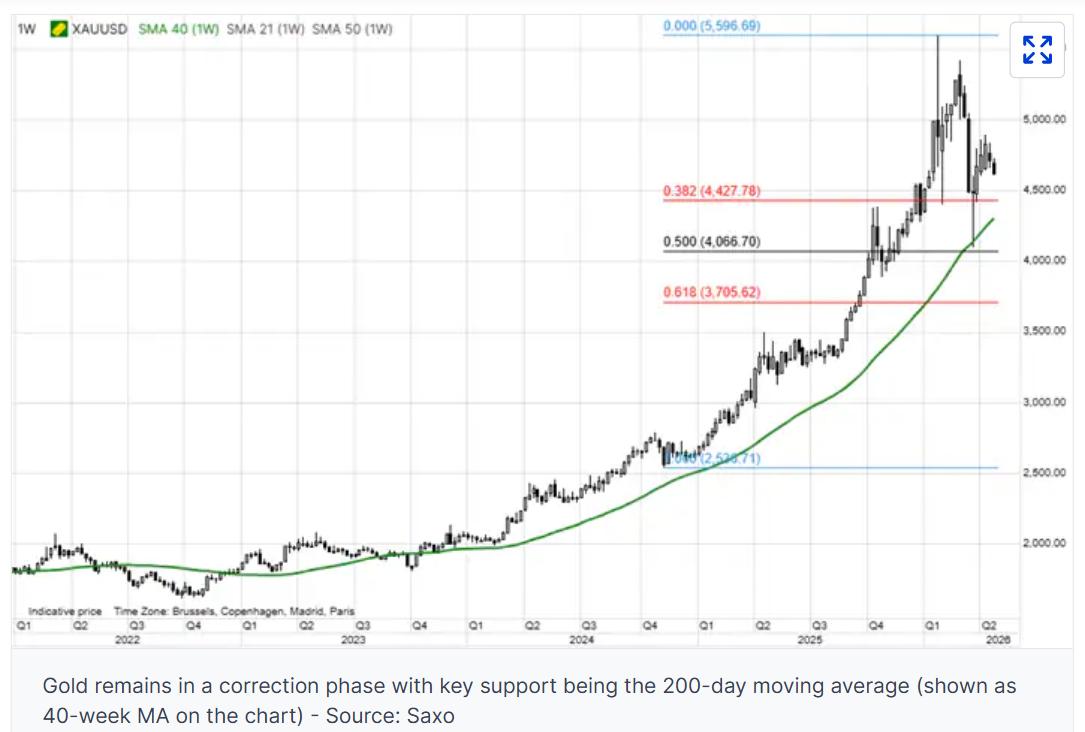
Turning to the technical picture, Hansen said gold’s 200-day moving average, which currently sits near $4,250, remains major support. “As long as that level broadly holds, the longer-term uptrend remains intact,” he said.
Silver’s story, however, is more complicated, as the gray metal faces a more nuanced outlook than that of gold.
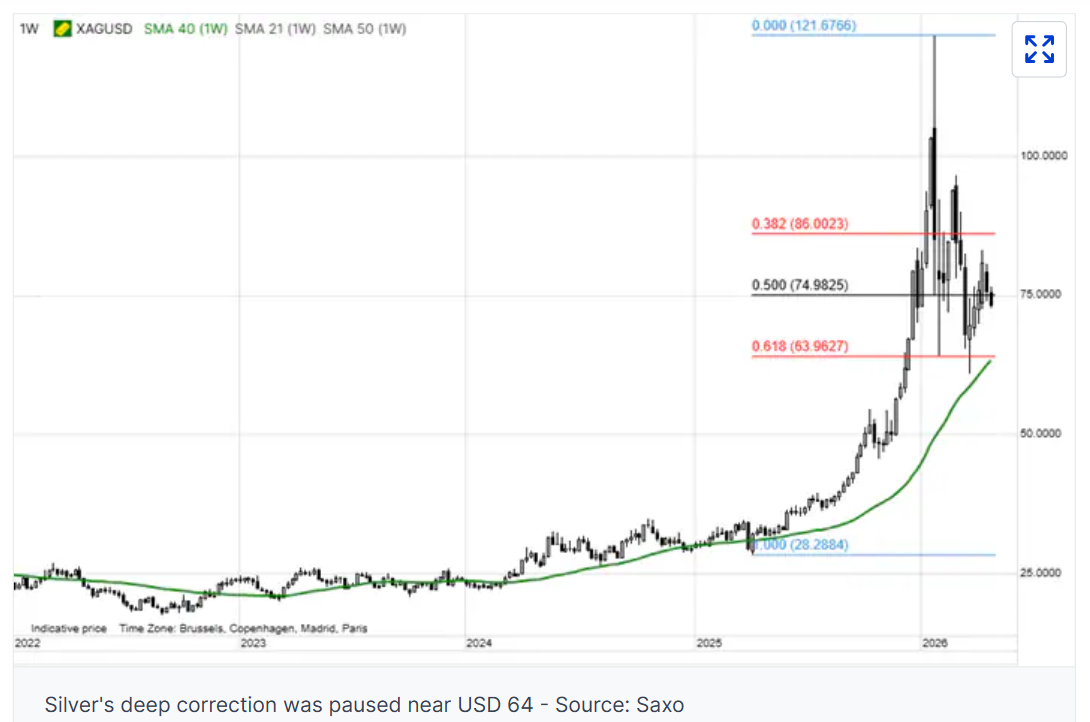
“Industrial demand remains exposed to cyclical weakness,” Hansen said. “A prolonged period of elevated inflation and slower growth could weigh on consumption from electronics, consumer goods and manufacturing. At the same time, investment demand - which is expected to play a major role in maintaining the market deficit - is notoriously fickle and can reverse quickly if technical momentum weakens or the macro narrative shifts.”
“This is why silver remains the higher-beta precious metal: greater upside potential, but also greater downside risk.”
Hansen believes that on balance, gold will outperform silver in the immediate wake of the Iran conflict’s resolution.
“Once the dust of war settles and energy supply chains begin to normalise, gold should once again find support from monetary demand, reserve diversification, fiscal concerns and continued geopolitical uncertainty,” he said. “It is less exposed to cyclical demand destruction and less vulnerable to sharp swings in investor sentiment. Silver remains fundamentally constructive, but its outlook depends more heavily on industrial demand resilience and continued investor participation. The market can still tighten materially, and under a bullish macro scenario, silver may once again outperform gold. But that path is likely to remain volatile.”
“At current levels, the gold-silver ratio near 62 shows silver already trading relatively expensive versus its long-term average near 70, suggesting silver may need a fresh catalyst - whether tighter physical supply, stronger industrial demand or renewed speculative appetite - to materially outperform from here,” he added.
In Hansen’s view, the bull market in precious metals has merely paused, not ended. “Gold appears delayed, not derailed, with the long-term drivers behind the rally still firmly in place,” he concluded. “Silver retains substantial upside over time, but after January’s excesses it remains vulnerable to macro setbacks and swings in investor conviction.
“In short, gold remains the strategic allocation, while silver remains the tactical opportunity - higher risk, higher reward, and best handled with respect for its volatility.”