Europe’s crypto regulatory framework is expected to undergo further changes as the Markets in Crypto-Assets (MiCA) regulation nears full implementation, according to legal and regulatory expert Lukáš Kovarik.
In an interview with Coinpedia, Kovarik discussed the future of EU crypto regulation, stablecoins, tokenization, crypto adoption, taxation, and the role of MiCA licensing in supporting institutional participation.
The European Union is not yet operating under the full MiCA regime, as the transition and grandfathering period remains in place until July 1. Once the period ends, only MiCA-licensed entities will be permitted to operate in the EU market.
“It is fair to say that at this moment we’re still not in the full implementation regime of MiCA in the EU,” Kovarik said.
He noted that while regulators and market participants already have experience with MiCA’s practical application, a number of implementing and accompanying measures still need to be adopted.
MiCA Implementation and the Future of EU Crypto Regulation
According to Kovarik, discussions are ongoing among European lawmakers regarding the future supervisory framework for crypto-asset service providers (CASPs). One of the key questions is whether supervision should remain with national authorities or be centralized under the European Securities and Markets Authority (ESMA).
At the same time, policymakers are considering an expansion of the Distributed Ledger Technology (DLT) Pilot Regime, an experimental framework designed to facilitate the issuance of securities on DLT-based infrastructure.
Kovarik also pointed to the European Commission’s recently launched public consultation on the review of MiCA. The consultation focuses on areas where the current framework may no longer reflect market developments, including stablecoins, crypto-asset service providers, decentralized finance (DeFi), tokenization of financial services and other related issues.
Looking further ahead, he said the EU regulatory framework will need to address the broader tokenization of financial services and digital asset issuance, areas where clear and comprehensive rules have yet to emerge.
“We can also expect that a special role in this regard may be given to digital euro project which the ECB plans to launch in three years’ time,” Kovarik said.
EU Crypto Competitiveness Compared With the US and Asia
Kovarik said that when MiCA was adopted several years ago, the European Union attracted attention by offering a predictable and stable regulatory framework for digital assets.
“When MiCA was adopted couple of years ago, the EU became an interesting jurisdiction to follow as MiCA provided predictable and stable rules to follow,” he said.
However, he noted that since then, several jurisdictions, including the United States, have advanced their own policy approaches, placing the MiCA framework under increasing competitive pressure.
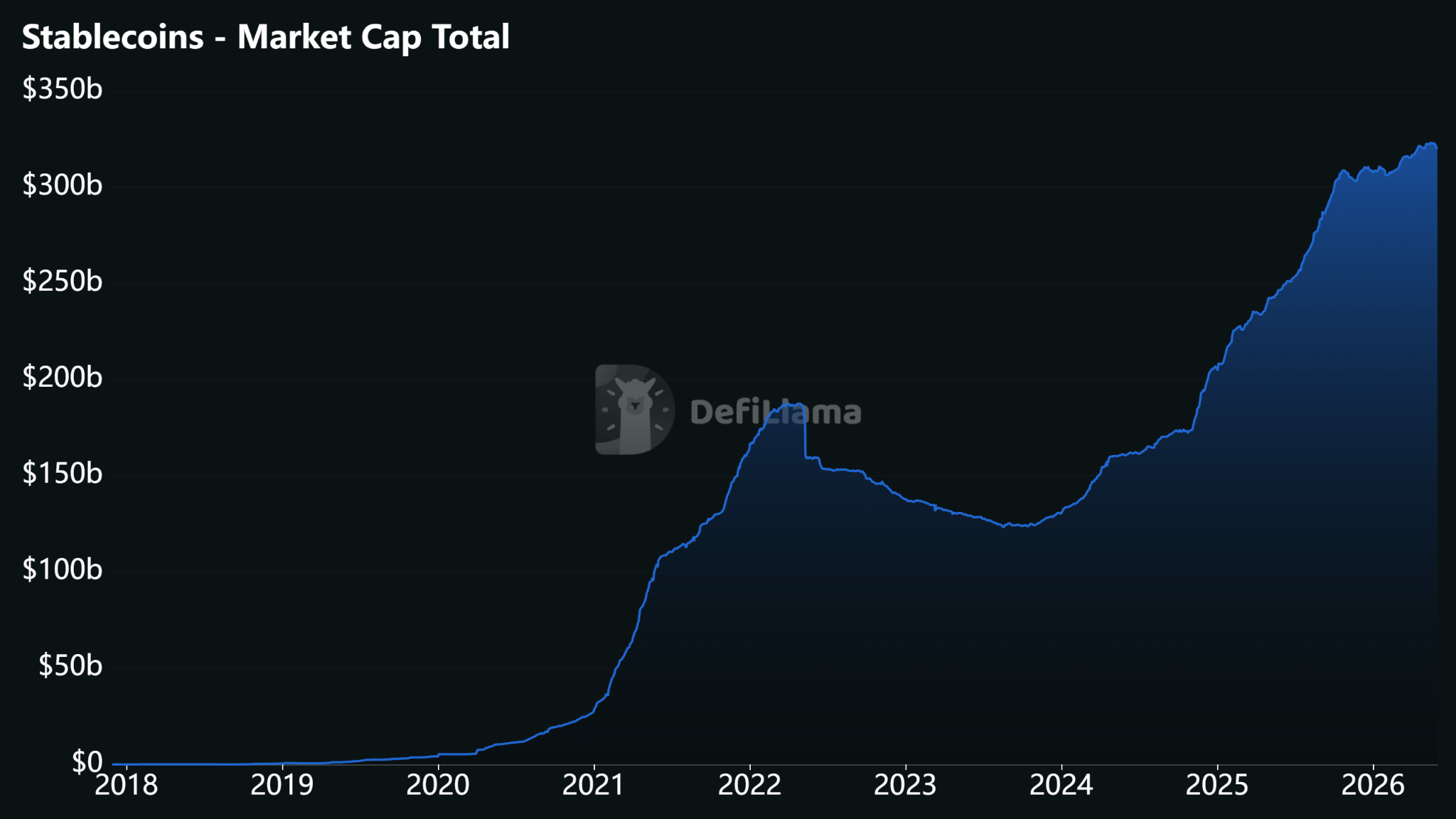
According to Kovarik, the EU currently lags behind in areas such as stablecoin issuance and trading and still lacks regulatory clarity regarding further tokenization of assets.
“There will need to be an update made to the EU rulebook in order to compete for the most crypto-friendly status,” he added.
Crypto Adoption in Europe and Digital Assets Growth
Despite these challenges, Kovarik expects crypto adoption across Europe to continue expanding in the coming years.
“I believe that we can count on much broader crypto and digital assets adoption across the EU in years to come,” he said.
He attributed this outlook to the existing digital assets industry in Europe, which already includes a number of significant businesses operating in the market.
Kovarik also said broader adoption of digital assets at the global level is likely to influence adoption trends within the European Union. However, he said a key question for policymakers will be whether Europe actively contributes to shaping these developments or primarily follows trends emerging elsewhere.
Crypto Taxation in Europe and Innovation-Friendly Rules
Kovarik said Europe would benefit from a simpler and more innovation-friendly taxation framework for the digital assets sector.
“Right, I believe there is a need for a simpler and more innovation friendly taxation framework in the EU for digital assets sector,” he said.
He pointed to fragmented tax treatment across the EU single market, including different approaches adopted by national tax authorities and varying accounting standards.
“So far we see very fragmented rules across the EU single market, different approaches from respective national tax authorities, different accountancy rules etc.,” Kovarik said.
He also raised concerns about discussions around a potential digital asset transaction tax that could serve as a source of revenue for the EU budget.
“Such measure can prove detrimental to the innovation pace in this sector,” he said, adding that taxation frameworks should encourage companies to continue innovating and bringing new products to market.
MiCA Licensing, Institutional Trust and Mainstream Crypto Adoption
Kovarik said one of MiCA’s primary objectives has been to improve trust within the crypto industry and create conditions for broader participation by institutions and investors.
“Building trust in the crypto industry has been one of the goals MiCA framework strived to achieve,” he said.
In his view, the framework has largely succeeded in that objective by increasing transparency and providing greater safeguards for market participants.
“It helps broader institutional and investors adoption, brings more transparency and guarantees and overall increases the level of mutual trust from all parties involved,” Kovarik said.
According to Kovarik, MiCA licensing is expected to remain an important factor in supporting institutional trust and mainstream adoption of crypto assets across Europe as the regulatory framework moves into full implementation.