
News
Stay up to date on the latest crypto trends with our expert, in-depth coverage.

1Bitget UEX Daily | Trump-Iran Dialogue Triggers Oil Price Pullback; Tesla Terafab Project Launches; NVIDIA GTC Conference Imminent (March 16, 2026)2STRC's Liquidity Boom: A Powerful Tool for Maximizing Bitcoin Holdings3Morgan Stanley: This Is Not 2008, "Private Credit" Is Not "Subprime"

The Trade Desk's Stock Has Undergone Significant Changes Over the Past Year. Here's What’s Different Now.
101 finance·2026/03/16 07:18

What is different about this round of the energy crisis compared to 2022?
华尔街见闻·2026/03/16 07:08

USD: Tactical haven support but structural headwinds – BBH
101 finance·2026/03/16 07:03
AUD/USD Outlook: Advances beneath 0.7000 amid expectations of a more aggressive RBA
101 finance·2026/03/16 07:03
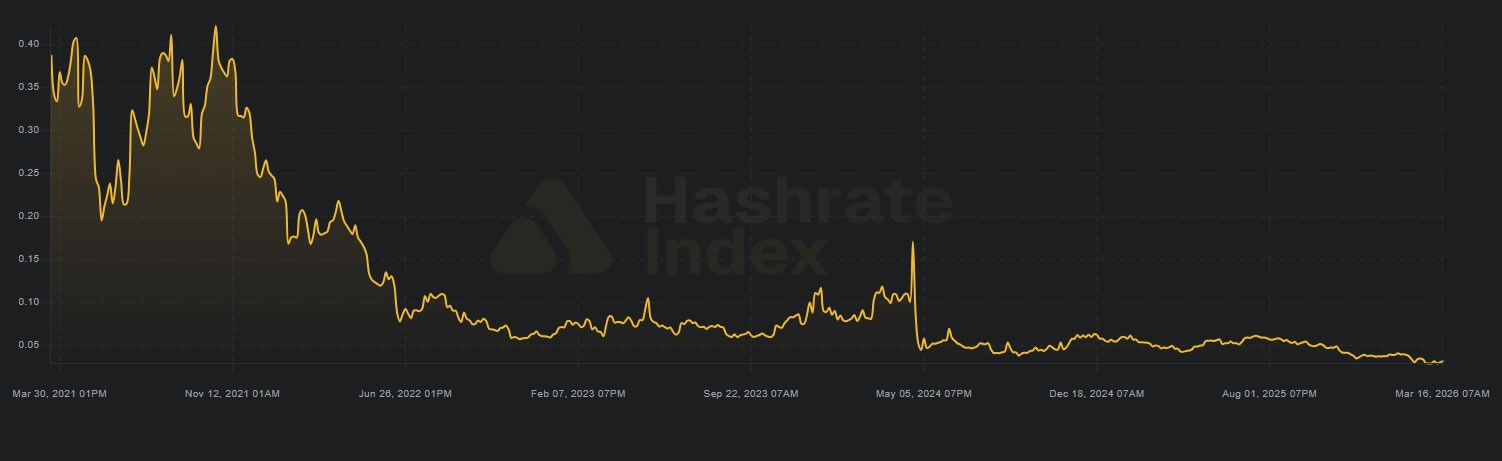
AI data center gold rush sparks debate over impact on Bitcoin
Cointelegraph·2026/03/16 06:48
USD/JPY: Fluctuations could challenge the 160 level – Commerzbank
101 finance·2026/03/16 06:42
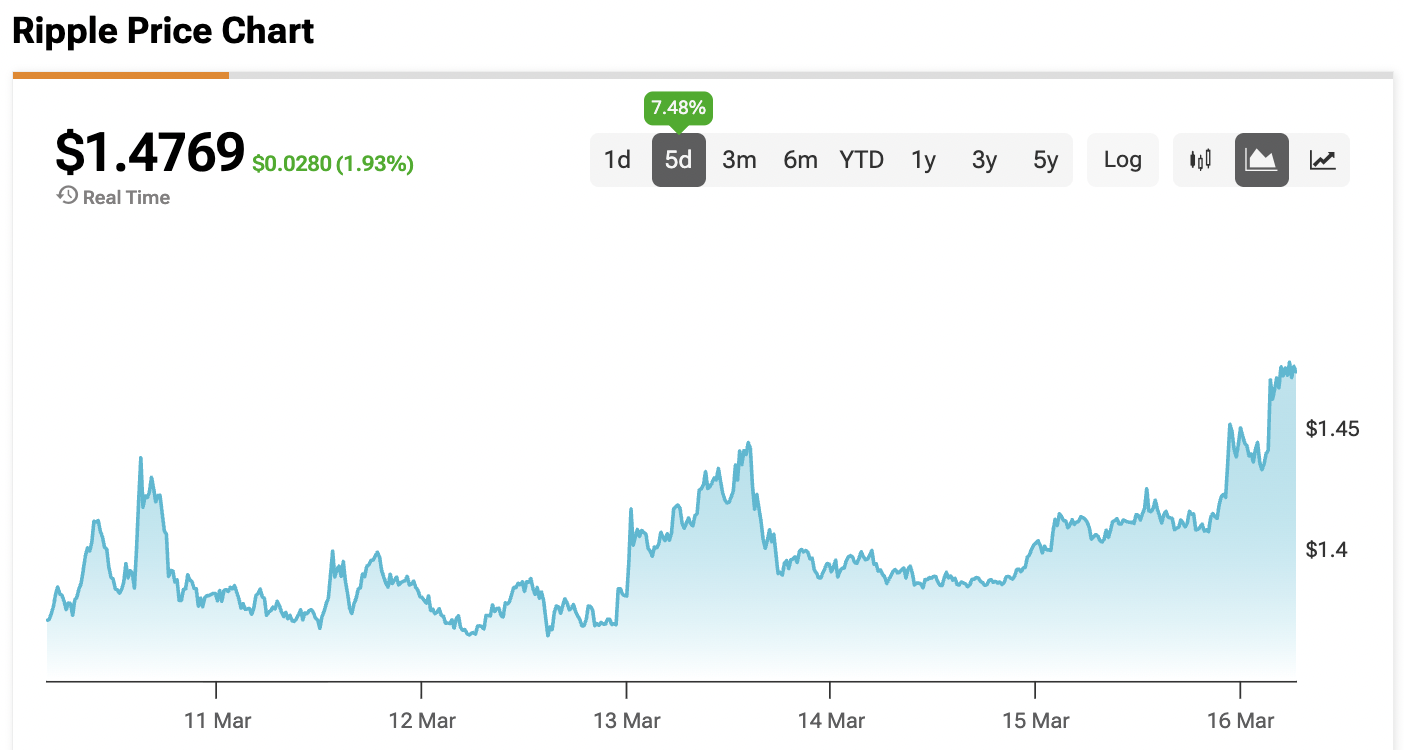
XRP Price Finally Crosses $1.47 as Investors Treat the Middle East Conflict as the ‘New Normal’
Tipranks·2026/03/16 06:39
From India to Japan to Taiwan, Micron is building new HBM bases in Asia
华尔街见闻·2026/03/16 06:15
UXLINK fluctuates 48.4% in 24 hours: trading volume surges accompanied by sharp price swings
Bitget Pulse·2026/03/16 06:13
Tokyo intervention looms large as USD/JPY nears 160 mark
101 finance·2026/03/16 05:57
Flash
07:13
Earnings Preview | Explosive Growth vs. Lagging Stock Price: HBM Demand Drives Micron (MU.US) Q2 Profit Surge, Analysts See $770Wall Street analysts generally expect that, driven by the continued strong growth in demand for high-bandwidth memory (HBM), Micron Technology's revenue this quarter is likely to exceed 19.1 billions USD, with earnings per share (EPS) expected to approach $8.56. Prior to Micron Technology's financial report release, Seeking Alpha financial analyst Dair Sansyzbayev reiterated a "Strong Buy" rating for the company.
07:13
Earnings Preview | DocuSign (DOCU.US) Q4 Revenue Expected to Grow 6.7% Year-on-Year, Lower Than Last YearThe market expects DocuSign's fourth-quarter revenue to increase by 6.7% year-on-year to $828.2 millions, lower than last year's 9% growth rate. Earnings per share are expected to be $0.95, up 10.5% year-on-year.
07:10
Soaring oil prices tear apart the policy balance: Bank of Japan faces a life-or-death dilemma between raising interest rates and maintaining stability1. The Iran conflict has pushed up crude oil prices, putting the Bank of Japan in a dilemma once again: should it pause rate hikes to consider political and economic growth, or continue raising rates to curb inflation and support the yen? On one hand, soaring energy prices drive up overall inflation, providing justification for rate hikes; on the other hand, they may hit consumer spending and further burden already struggling small and medium-sized enterprises.2. The current situation is reminiscent of the aftermath of the Russia-Ukraine conflict. However, policymakers say the background in Japan is different this time: inflation expectations are finally starting to form, and the underlying price increase is approaching the 2% target, meaning the central bank may not have much time left to carefully consider its next move. According to insiders, despite geopolitical turmoil, officials remain committed to seeking rate hikes, but it will be difficult to act at this week's meeting.3. The market bets that the probability of the Bank of Japan raising rates this week is almost zero, with expectations for an April hike at about 60%. At that time, the central bank will release its latest economic forecasts. Daiwa Securities economists warn that if oil prices remain high, there is a risk of a vicious cycle: worsening trade deficits lead to a weaker yen, further increases in import prices, and inflationary pressures accumulate beneath the surface.4. Another complicating factor is Prime Minister Sanae Takaichi's policy inclination. She focuses on economic growth and tends to favor a loose financial environment to ease supply shocks. The government is cushioning the economic impact through gasoline subsidies and releasing reserves, but the persistent weakness of the yen poses a systemic challenge. The central bank governor has acknowledged that exchange rate fluctuations now more easily affect domestic prices.5. Economists expect the Bank of Japan to wait until April to raise rates, but the pace of tightening may be slower than what economic fundamentals require. "Whether the Bank of Japan can raise rates in April will be a turning point in determining market confidence in its continued tightening strategy."
News