
Shell intensifies search for oil and gas following £360m setback in renewable energy

Shell Faces Major Losses in Renewable Energy Sector
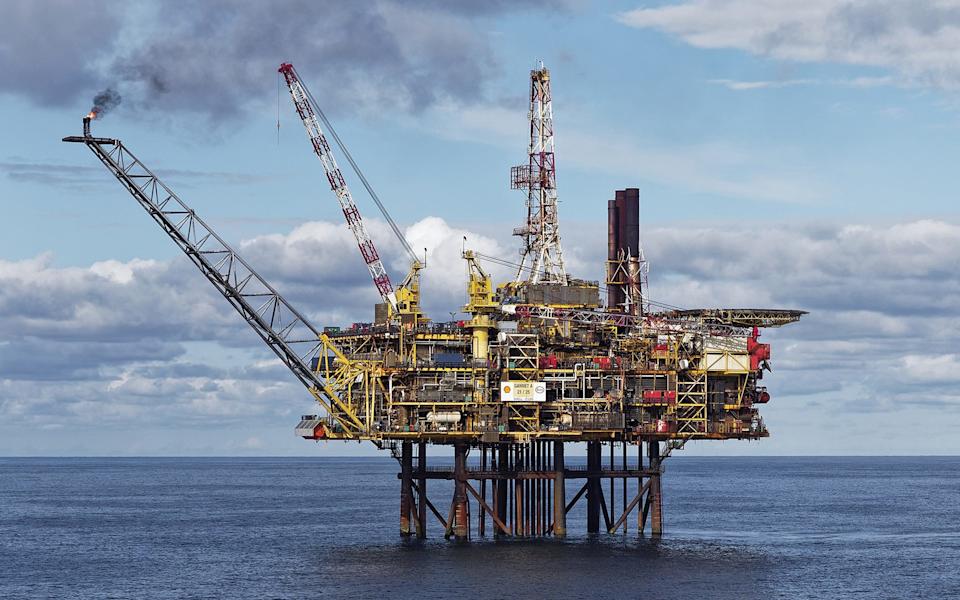
According to reports, the majority of Shell's renewable energy initiatives ended up unprofitable during the last quarter of 2025, as noted by Julian Walters.
Significant Financial Setbacks
Shell's green energy division recorded a loss of $489 million (£361 million) over the past year, largely due to most of its environmentally friendly projects failing to turn a profit.
Strategic Shift Back to Fossil Fuels
On Thursday, Shell announced a renewed focus on oil and gas. CEO Wael Sawan committed to scaling back investments in underperforming clean energy ventures.
Cost-Cutting Measures and Project Abandonments
Last year, Shell reduced its expenditures by $5 billion, which included discontinuing projects such as a biofuels facility in Rotterdam and several wind farms in the UK and US.
Leadership Perspective
Mr. Sawan described 2025 as a period of increased momentum, achieved by enforcing stricter project selection and eliminating those that were not delivering results. He highlighted the decision to stop building the Rotterdam biofuels plant as a prime example of this new approach.
The Rotterdam facility, which was intended to turn waste into jet fuel, was halted in mid-2024. However, financial losses from the project have persisted into 2025, now estimated to exceed $1.4 billion.
Declining Profits Amid Lower Oil Prices
Despite these cost reductions, Shell reported its weakest quarterly earnings in nearly five years, impacted by a significant drop in oil prices. Brent Crude, which peaked above $78 per barrel last summer, fell to $56 by December.
Following the earnings announcement, Shell's shares fell by up to 2.6% after the company revealed an adjusted net income of $3.2 billion for the last quarter of 2025—an 11% decrease from the previous year and below analysts' expectations of $3.5 billion.
Future Plans: Renewed Emphasis on Oil and Gas
Although oil and gas underperformed at the end of last year, Mr. Sawan is doubling down on fossil fuels. Shell is preparing to launch new production in the Gulf of Mexico and Brazil, with exploration efforts planned for offshore Angola and South Africa.
Mr. Sawan stated, “We are dedicated to bringing new oil and gas projects online, which at their peak will contribute over one million barrels of oil equivalent per day by 2030.”
Changing Course from Previous Climate Commitments
Under Mr. Sawan’s leadership, Shell has dramatically altered its direction. Six years ago, former CEO Ben van Beurden had set out to transform Shell into a net-zero emissions company by 2050.
The previous “Powering Progress” strategy aimed to reduce oil output by 1–2% annually until 2030 and to increase investments in low-carbon energy sources like wind power.
Now, Mr. Sawan has reversed these targets, pledging instead to raise oil production by roughly 1–2% each year while discontinuing unprofitable renewable projects.
Recent Withdrawals from Renewable Projects
- Exited the ScotWind floating turbine initiative in the North Sea near Scotland
- Withdrew from the Atlantic Shores wind project off New Jersey’s coast
- Reduced Shell’s ownership in Savion, a US-based solar energy subsidiary
Shell confirmed on Thursday that most of its renewable energy projects were not profitable during the fourth quarter of 2025.
Explore More
Disclaimer: The content of this article solely reflects the author's opinion and does not represent the platform in any capacity. This article is not intended to serve as a reference for making investment decisions.
You may also like
Blackstone's India AI Pivot: Data Center Surge, Leadership Shakeup, and the $1.1 Billion Chennai Bet
Orica’s Share Buyback Reflects Optimism, Yet CEO’s Stock Sale Casts Doubt on Short-Term Trading Prospects

MetaMask 2026: The Evolution of Wallet Technology in Transforming RWA and Enhancing Security

Trending news
MoreCrypto prices
More





