
SpaceX's public offering in June may prompt a reassessment of the space industry—investors remain anxious

Artemis II Splashdown Ignites Space Sector Surge
The return of the Artemis II crew on April 10, following a 10-day journey that took them 252,756 miles from Earth, served as a pivotal moment for space-related stocks. Their safe landing marked a significant achievement and sparked a notable rally: six leading space stocks saw average gains of 23% since the launch on April 1, far outpacing broader market performance.
Shifting Focus: Awaiting the Next Major Trigger
With the Artemis II mission now concluded and its effects reflected in stock prices, attention turns to what comes next. According to the manager of the NASA ETF, the anticipated SpaceX IPO, projected for June, is likely to be the next major catalyst. This upcoming IPO, expected to be one of the largest in history, could attract substantial institutional investment and renewed market interest, setting the stage for another surge in the sector.
Short-Term Market Reaction: A Pause for Reassessment
While the splashdown was a technical triumph, its financial impact was indirect. As a test flight rather than a revenue-generating contract, the rally was fueled by excitement and speculation rather than new income streams for most space companies. For example, York Space Systems experienced a 50% jump during the mission, only to see shares drop 7.5% on the day of splashdown.
This pattern reflects a classic case of temporary overvaluation. The Artemis II event created a short-lived boost across the sector, with six space stocks averaging 23% gains since launch. However, this surge was driven more by sentiment than by changes in company fundamentals. Now, with the mission complete, investors are reevaluating the business models of these firms, which are not directly linked to Orion program milestones.
In summary, the event-driven rally has reached its peak. The successful splashdown eliminated a major uncertainty but did not generate new financial opportunities for the companies involved. The market is now in a phase of consolidation, awaiting the next significant catalyst—the SpaceX IPO—to reignite momentum.
Looking Ahead: SpaceX IPO and Blue Origin's Role
The sector's next major turning point is approaching. The SpaceX IPO, expected in June, could fundamentally reshape the industry. With a reported target valuation of $1.75 trillion and a potential raise of $75 billion, this IPO would set a new standard for companies transitioning from private to public markets.
This event will have widespread effects. As noted by the NASA ETF manager, the SpaceX listing will draw significant attention to the space economy, as it will be included in major market indices. This inclusion will automatically generate demand from index funds and institutional investors—a dynamic absent during the Artemis II rally. It may also prompt index providers to revise their rules, paving the way for other large space firms.
Beyond SpaceX, Blue Origin is poised to influence supply dynamics in the launch market. Increased launch activity and reserved orbital slots could tighten capacity cycles, potentially boosting valuations for satellite and infrastructure companies downstream.
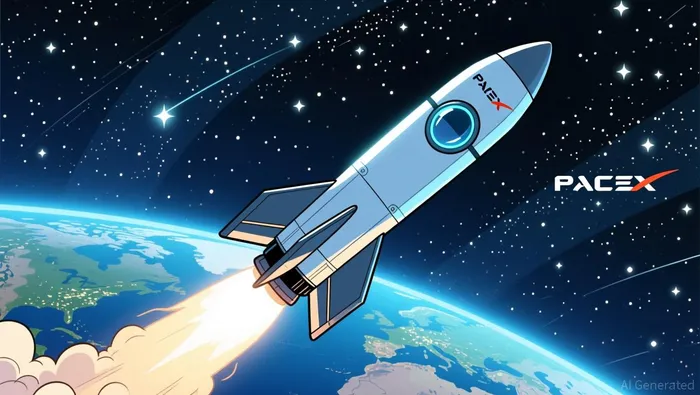
In essence, Artemis II was a narrative-driven spark, while the SpaceX IPO represents a structural shift that could attract institutional capital and redefine sector valuations. The tactical pause following splashdown is ending, and the next phase of the rally depends on the June IPO and the market's response to SpaceX's debut.
Risks and Key Factors to Monitor
Although the path to the next rally is clear, it is not without challenges. The main risk is the possibility of delays in the SpaceX IPO, which is not yet officially scheduled. Regulatory issues or internal timing changes could postpone the offering, prolonging the consolidation phase and testing investor patience. The market has already priced in expectations for a June debut; any delay could dampen sentiment across the sector.
Investors should closely watch for the official filing and pricing details of the SpaceX IPO in May or June. The targeted $1.75 trillion valuation and $75 billion raise are key benchmarks. The actual terms will reveal investor appetite and set the tone for sector-wide revaluation. Any significant deviation from these expectations could quickly shift the narrative.
Another important factor is the competitive landscape. Blue Origin's launch schedule could alter supply dynamics, affecting valuations for satellite and infrastructure companies. Increased activity from Blue Origin may tighten capacity cycles and support higher valuations, while delays or setbacks could ease supply pressures and temper optimism.
Virgin Galactic (SPCE) Stock Snapshot

- Symbol: SPCE
- Name: Virgin Galactic
- Price: 3.020
- Exchange: NYSE
- Status: Closed
- Change: +0.050 (+1.68%)
Conclusion: Awaiting the Next Structural Shift
Ultimately, the Artemis II mission provided a one-off boost driven by narrative excitement. The sector's next rally will depend on the structural impact of the SpaceX IPO and the competitive developments it may trigger. Investors should monitor official filings, prepare for possible delays, and track Blue Origin's launch activity as key indicators of future momentum in the space industry.
Disclaimer: The content of this article solely reflects the author's opinion and does not represent the platform in any capacity. This article is not intended to serve as a reference for making investment decisions.
You may also like
Aave governance overhaul: $140M revenue shift to DAO treasury with AWW
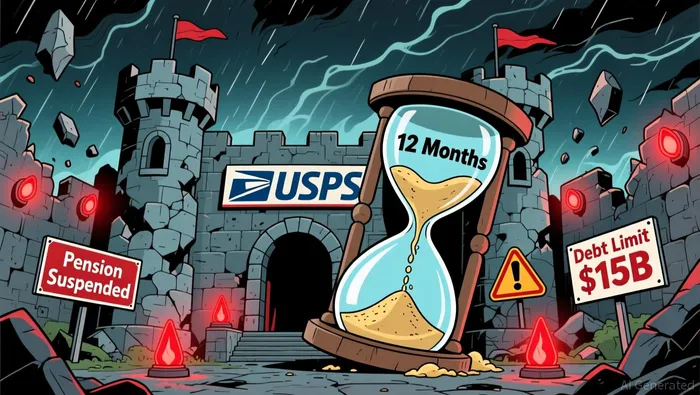
USPS Suspends $200M Pension Payments to Buy Time—Is This the Last Gasp for Regulated Legacy Assets?
Gold price to accelerate and hit new record highs after this event – technical analyst
SCHD’s Reputation for Quality Slips: Negative Information Ratio Puts “Safe” Dividend Strategy to the Test

Trending news
MoreCrypto prices
More





